

Pest Guides
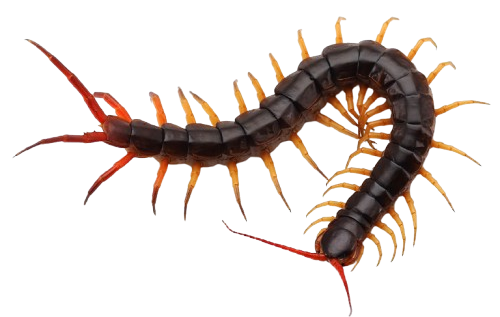
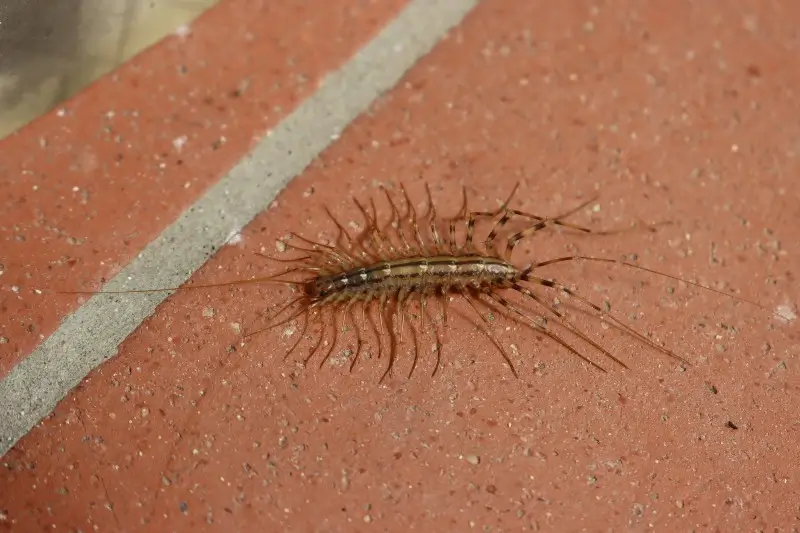
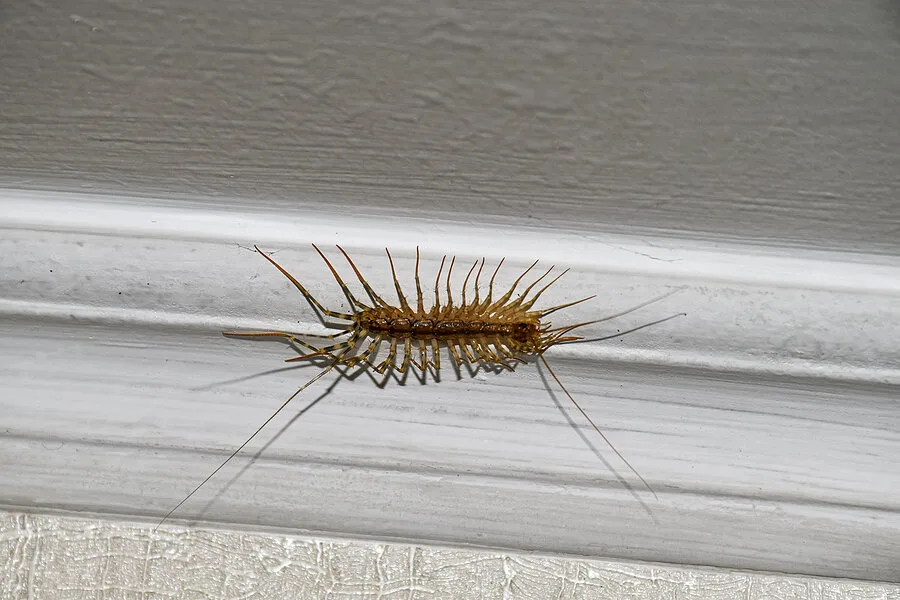
Brown Centipede in Your House: What Does It Mean?
You switch on the bathroom light. A long, fast creature races behind the cabinet. Your
In Florida’s warm climate, wasps aren’t just a summer problem; they’re a year-round threat, and our expert wasp pest control is designed to protect your home every single month.
A wasp exterminator targets the entrance directly, so the queen goes down, and the colony follows.
Residual liquid under eaves in early spring stops new queens from nesting before they start.
Overgrown shrubs and branches are prime nesting spots; pest control wasp removal always includes a full yard check, not just the nest.
Describe the nest location and activity so our wasp pest control team arrives fully prepared.
A licensed technician confirms the species, locates all activity, and treats the nest directly.
Unlike most, your wasp exterminator near me search ends here; we return to confirm the colony is gone.
Here’s exactly what our technician does from the moment they arrive to the moment you’re clear.
We locate every active nest and identify the species before anything else, because pest control wasp removal depends on getting this right first.
Our technician suits up in full protective gear so the job gets done carefully, not rushed.
Insecticidal dust or foam goes straight into the nest entrance, reaching wasps that are inside and those returning later.
We allow 48 to 72 hours before removal so every last wasp in the colony has contact with the treatment.
The nest comes down, the area gets cleaned to remove scent trails, and any open gaps get sealed. This is what separates a real wasp exterminator from a one-spray visit.
Stop feeling trapped in your own backyard, we’ll make it safe and wasp-free again.
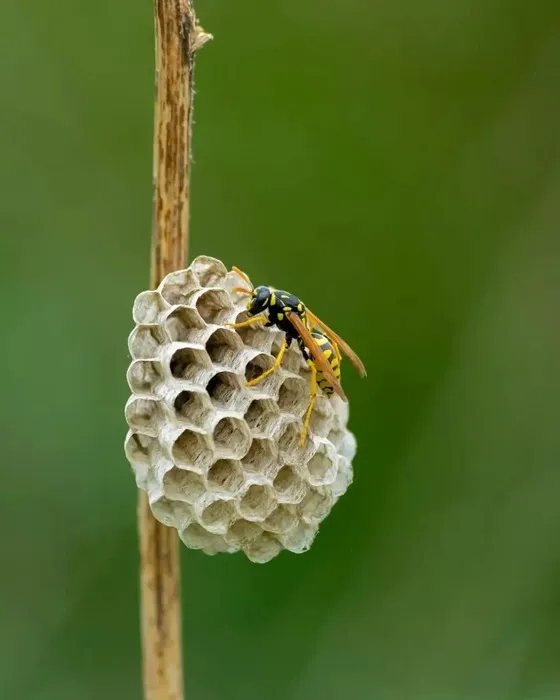
A can of spray and a YouTube video won’t cut it. Here’s what a trained entomologist brings to the job.
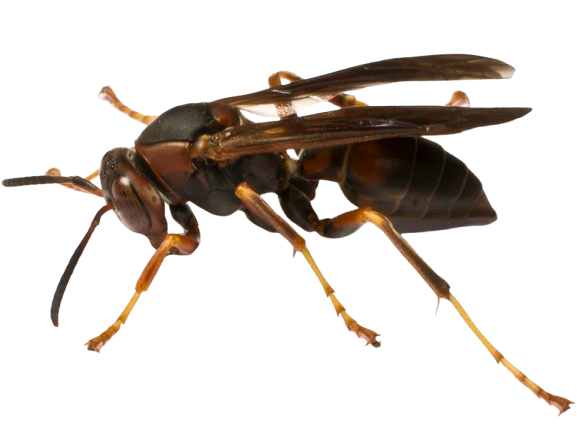
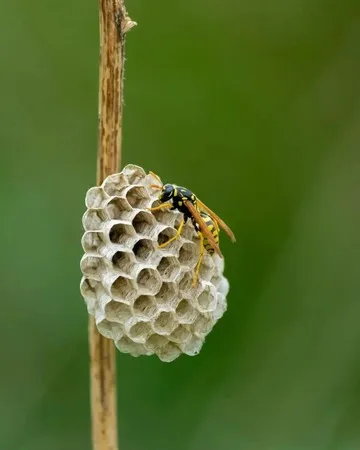
Yellow jackets, paper wasps, and hornets each behave differently; the wrong approach on the wrong species makes things worse, fast.
Store-bought sprays hit the surface; our best pest control for wasps reaches the queen and larvae so the colony doesn't rebuild two weeks later.
After treatment, we close every entry point that wasps use. This is what real wasp pest control looks like, not just a one-spray visit.
Get expert answers to your questions about professional wasp removal and wasp control.
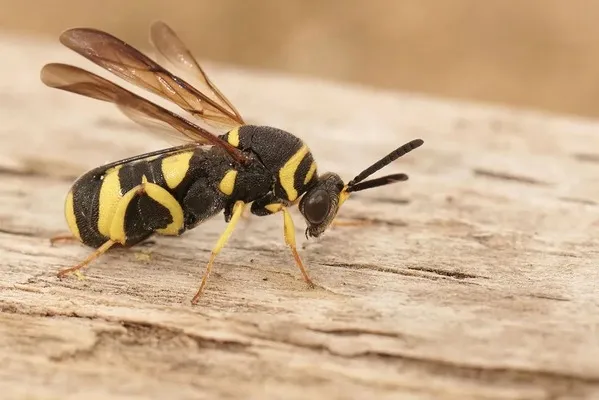
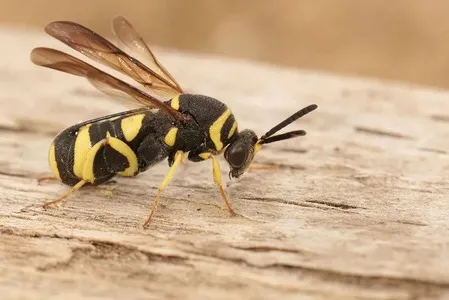
Rarely. Without protective gear and the right treatment, one wrong move can trigger a full swarm, and unlike bees, wasps sting repeatedly. Pest control wasp removal by a trained technician is always the safer call.
Most jobs fall between $100 and $500, depending on nest size, species, and location. A hidden wall void costs more than an accessible eave nest. Your wasp pest control near me search will turn up options, but quality and follow-up matter more than the lowest price.
They can, especially if pheromone trails and entry points aren’t addressed. That’s why wasp pest control doesn’t end at removal; sealing gaps and treating the area afterward is what actually keeps them from returning.
Listen for a low buzzing behind drywall, watch for wasps entering and exiting small cracks, and look for slight staining or soft spots. If you’re noticing any of these, call a wasp exterminator before the colony grows larger and harder to treat.
Yes, when done correctly. Licensed technicians use targeted applications that minimize exposure; you’ll typically need to stay clear for a few hours post-treatment, and that’s it.
Stay ahead of unwanted pests with expert advice, practical tips, and the latest industry insights. Our blog is your go-to resource for learning how to protect your home, garden, and business from common pest problems.
You switch on the bathroom light. A long, fast creature races behind the cabinet. Your
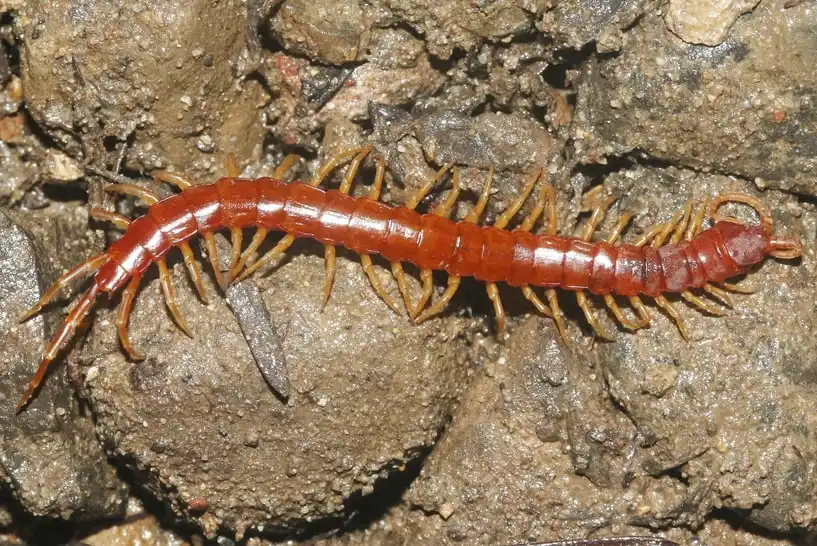
Not every creepy-looking creature around your home is a threat. Some are simply misunderstood. The
Have you ever turned on a light at night and seen a tiny creature suddenly
We make it easy to contact pest control professionals who care. Fill out the form below, and we’ll get back to you fast.
Whether you’re dealing with an infestation or need preventive treatment — contact pest control you can trust.