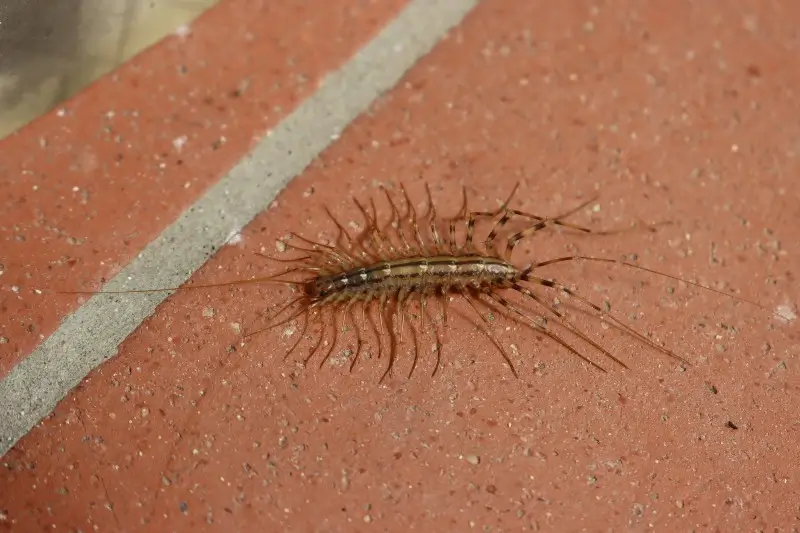
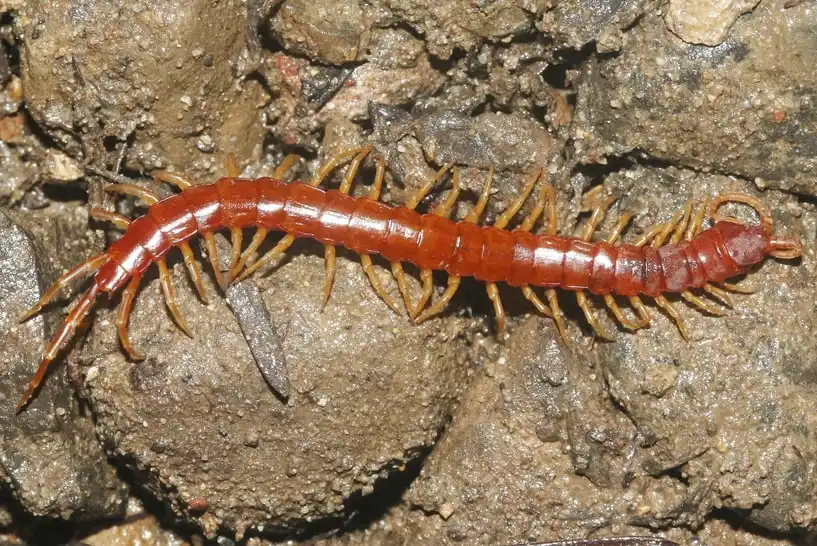
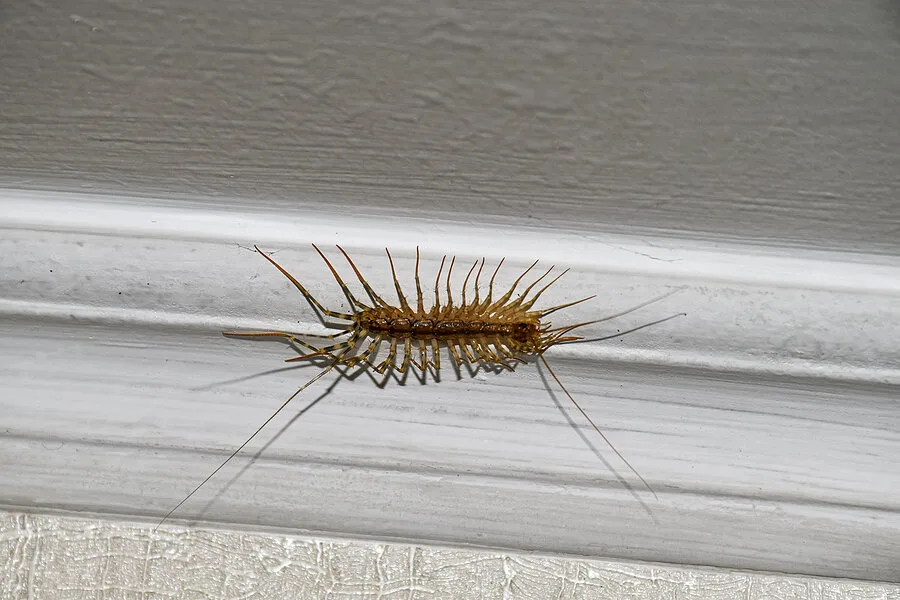
Not every creepy-looking creature around your home is a threat. Some are simply misunderstood. The bark centipede is a perfect example. With its flattened body, quick movements, and many legs, it can easily make homeowners uncomfortable. But behind that intimidating appearance is a small predator that usually spends its time hunting other insects outdoors. The real concern begins when you start seeing them near your home. A bark centipede does not appear without a reason. It may be responding to moisture, shelter, or an increase in insect activity around your property. Understanding these signs can help you solve the problem instead of only removing the insect you see.
In this guide, we will explore bark centipede identification, their habits, potential risks, and practical steps for effective control.
What Is a Bark Centipede?
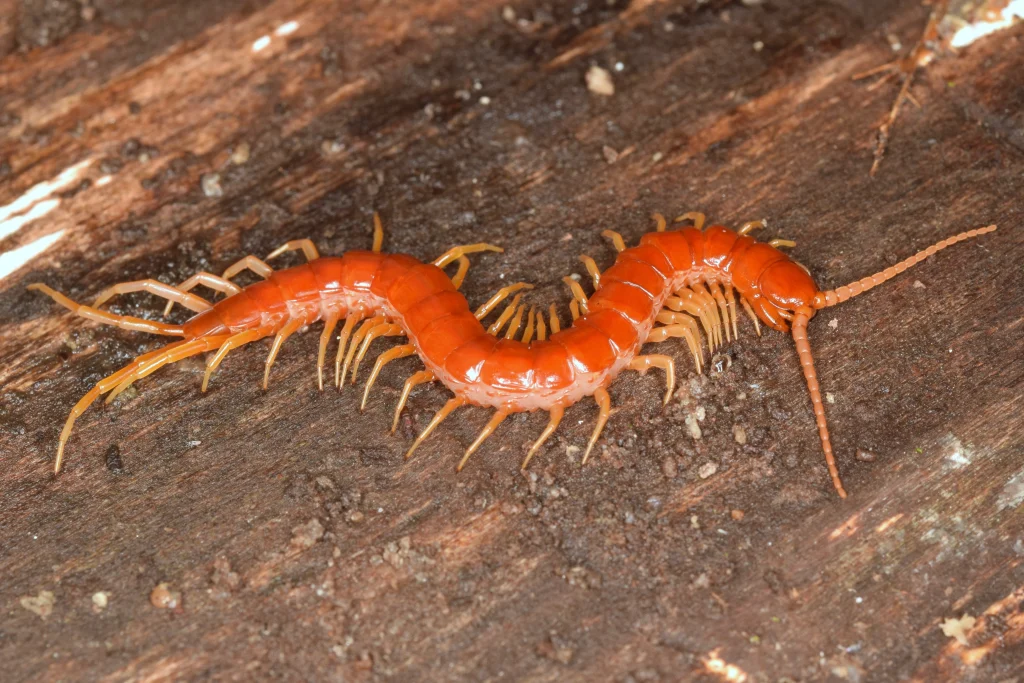
Credit: en.wikipedia.org
A bark centipede is a predatory centipede that usually lives outdoors. It gets its name because it often hides beneath tree bark, fallen logs, rocks, and other natural materials.
The term bark centipede does not always describe one exact insect. Several bark centipede species can be grouped under this common name. Some species belong to groups such as Cryptopidae. Others include larger centipedes commonly found around wooded areas.
You may also hear the name eastern bark centipede when discussing certain outdoor centipedes.
Although species can vary, most bark centipedes share similar characteristics.
They usually have:
- A long, flattened body
- Multiple body segments
- One pair of legs per segment
- Fast movement
- A preference for dark and damp areas
Their natural centipede habitat includes:
- Tree bark
- Leaf litter
- Gardens
- Wood piles
- Rocks
- Damp soil
- Mulched areas
Unlike termites, bark centipedes do not eat wood. They are hunters.
Their main purpose is finding small insects and other creatures to feed on.
How to Identify a Bark Centipede
Credit: commons.wikimedia.org
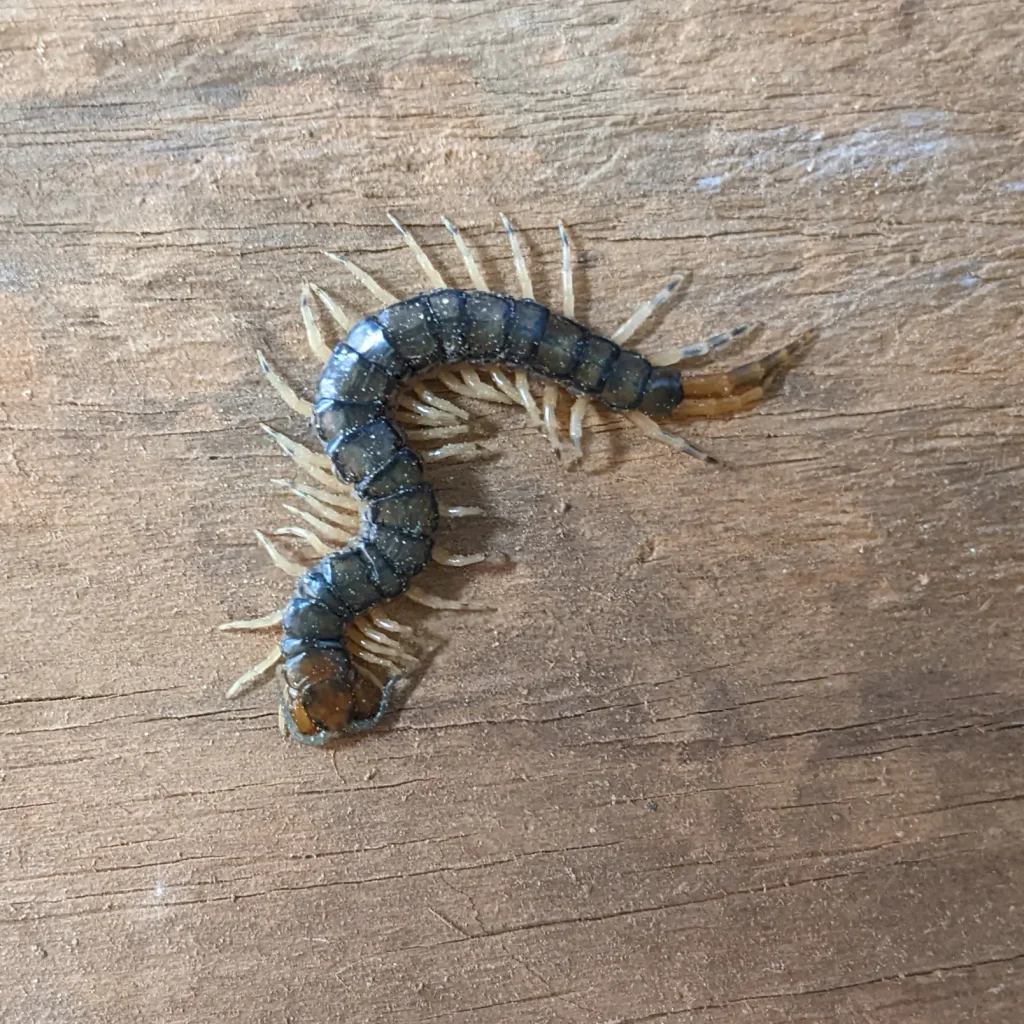
Identifying a bark centipede is easier when you know what features matter.
You do not need to catch one. You can usually identify it through appearance and behavior.
Look at the Body Shape
The first thing to notice is the body.
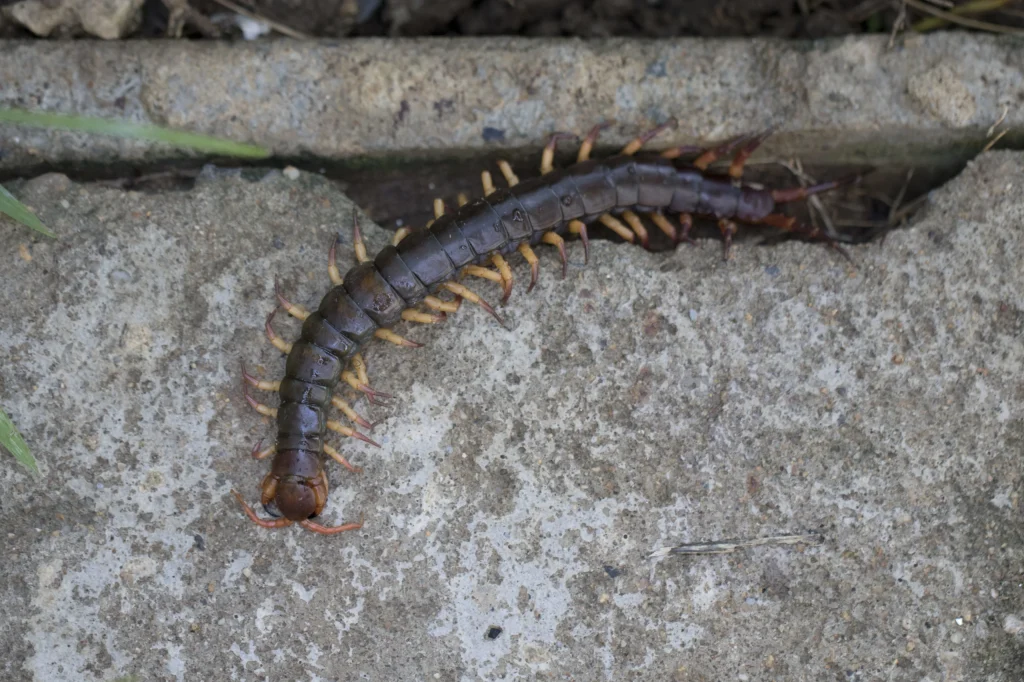
Bark centipedes have a flattened appearance. This helps them move under bark and through narrow spaces. Their body is divided into many segments. Each segment helps support their movement and flexibility. A bark centipede usually looks more armored than many common household insects.
This body shape helps separate them from millipedes.
Millipedes usually have:
- Rounder bodies
- Slower movement
- Two pairs of legs on most segments
Centipedes have:
- Flat bodies
- Faster movement
- One pair of legs per segment
Check the Legs
The legs are one of the easiest identification clues.
Centipedes are famous for their many legs. However, counting every leg is unnecessary.
Instead, look for:
- Legs extending from both sides
- Quick running movement
- A long body with many segments
Different species have different numbers of legs.
For example, some bark centipedes may have 21 pairs of legs, while others have more.
The exact count helps experts identify species. Homeowners usually only need the basic differences.
Look at the Color
Credit: inaturalist.org
Bark centipedes often have natural earth-tone colors.
Common colors include:
- Reddish brown
- Orange brown
- Dark brown
- Chestnut shades
The eastern bark centipede and similar species may have darker bodies with lighter legs.
However, color should not be your only clue.
Lighting, age, and species differences can change their appearance.
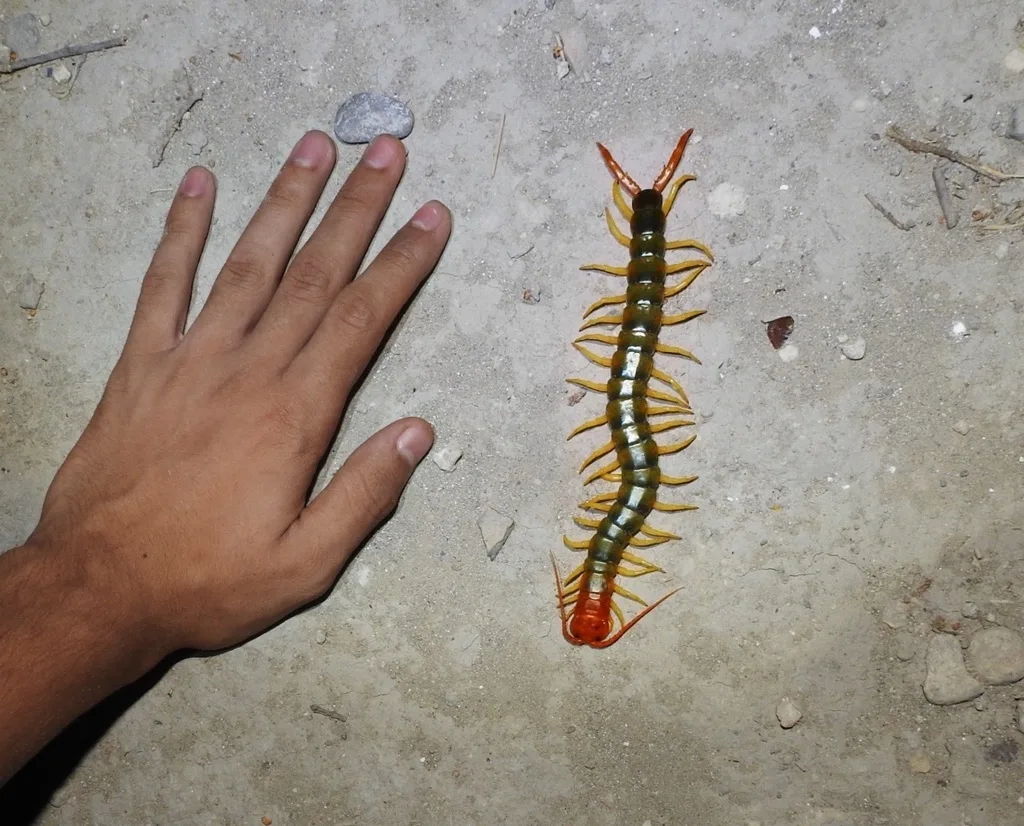
Understand Bark Centipede Size
Many people ask about bark centipede size because these insects can appear larger than expected.
The average size range is usually between one and three inches.
Some related species may grow larger.
A simple size comparison:
- Young centipedes may look very small.
- Adult bark centipedes are easier to notice.
- Larger species may appear more alarming.
A bark centipede baby is usually smaller and lighter in color.
Like other centipedes, they grow through several stages. This process is part of the bark centipede life cycle.
Watch How It Moves
Movement is another strong clue.
Bark centipedes are hunters.
They usually:
- Hide during the day
- Become active at night
- Run quickly when disturbed
- Search for insects
A fast-moving insect disappearing under a rock or piece of wood matches typical centipede behavior.
Bark Centipede Diet: What Do They Eat?
Credit: inaturalist.org
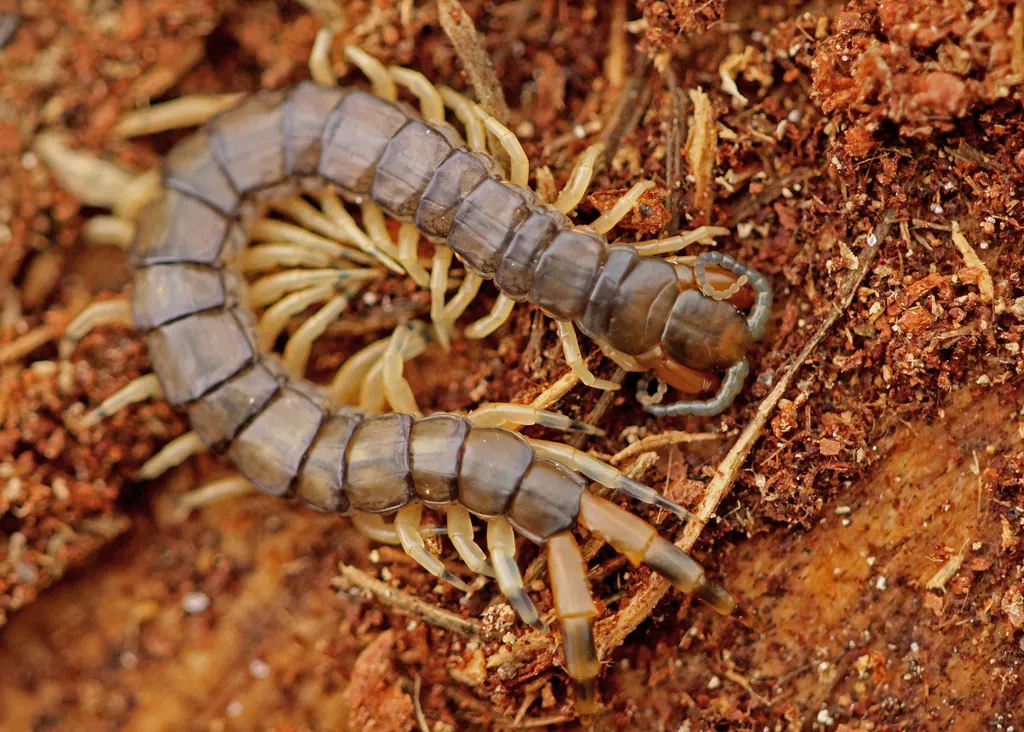
Understanding the bark centipede diet helps explain why they appear around homes.
Bark centipedes are predators.
Their diet mainly includes:
- Small insects
- Spiders
- Larvae
- Other small arthropods
The general centipede diet depends on the species and environment.
However, most centipedes hunt live prey. This is why seeing bark centipedes may sometimes indicate another pest problem nearby. If your yard has many insects, centipedes may follow. They are not attracted to your furniture, food, or wooden structures. They are attracted to their next meal.
Are Bark Centipedes Dangerous?
Credit: newsweek.com
Usually, no.
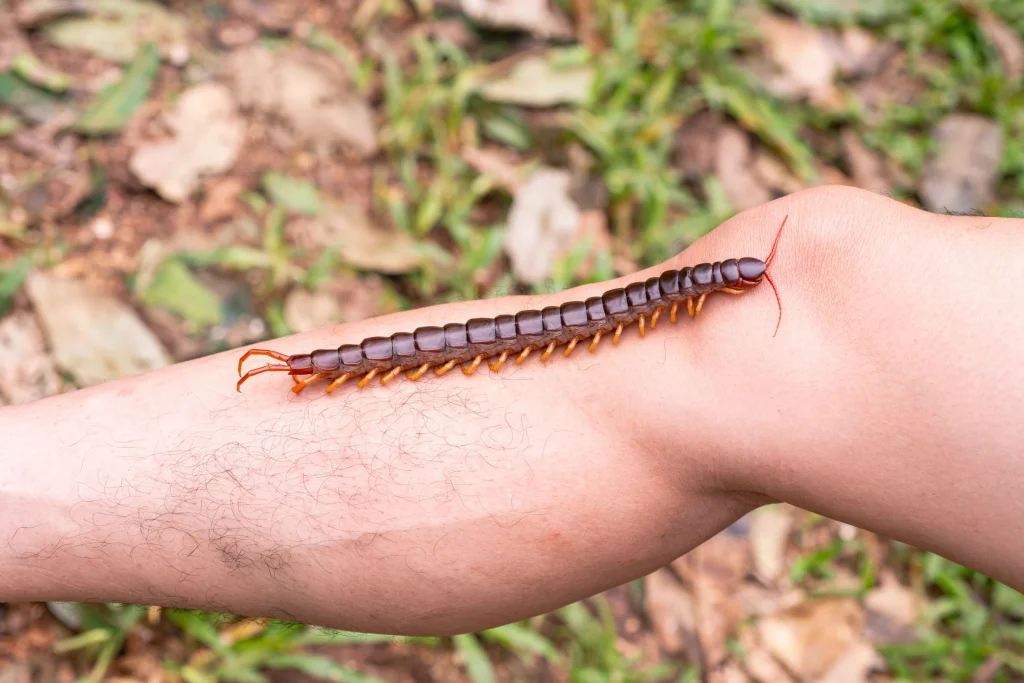
Bark centipedes are not aggressive toward people. They prefer escaping rather than attacking.
However, they can defend themselves.
A bite can happen if someone handles or traps one.
Centipedes use venom to capture prey.
Their centipede venom helps them overpower insects.
For humans, a bite may cause:
- Pain
- Redness
- Swelling
- Temporary irritation
Another common question is:
Are Centipedes Poisonous?
The better term is venomous. They are not poisonous because you do not become sick from eating them. They are venomous because they inject venom through a bite.
Most bites are not serious. Still, avoid handling them directly.
Why Do You Find Centipedes in Your House?
Credit: newmanspestcontrol.com
Finding a bark centipede in your house is usually connected to conditions around your property.
They usually follow moisture, shelter, or food.
Moisture Problems
Centipedes need humid environments.
They often appear near:
- Damp basements
- Leaking pipes
- Wet crawl spaces
- Poor drainage
- Overwatered gardens
Reducing moisture makes your home less attractive.
Nearby Outdoor Shelter
Your yard may provide hiding areas.
Common shelters include:
- Firewood piles
- Thick mulch
- Fallen leaves
- Old boards
- Garden debris
Removing clutter reduces hiding spaces.
Other Pest Activity
Remember, centipedes are predators.
They may stay where food is available.
Common prey includes:
- Ants
- Spiders
- Cockroaches
- Small insects
Controlling other pests helps reduce centipede activity.
How to Get Rid of Bark Centipedes

Credit: bhg.com
The best solution is not just killing one visible insect.
The goal is removing the conditions attracting them.
Remove Centipedes Safely
If you find one indoors:
- Vacuum it carefully
- Use a container to remove it
- Wear gloves when moving outdoor objects
- Avoid touching it directly
Do not handle centipedes with bare hands.
Reduce Moisture
Moisture control is one of the best forms of natural pest control for centipedes.
Fix:
- Plumbing leaks
- Drainage problems
- Wet storage areas
- Humidity issues
Remove Outdoor Hiding Places
Clean areas around your home.
- Remove excess leaves
- Remove rotting wood
- Remove old containers
- Reduce thick mulch near walls
Seal Entry Points
Centipedes can enter through small gaps.
Inspect:
- Foundation cracks
- Door gaps
- Window screens
- Pipe openings
- Utility spaces
Control Their Food Source
Reducing insects helps reduce centipedes.
- Control ants
- Manage cockroaches
- Prevent spiders
- Maintain proper sanitation
Consider Professional Treatment
If you continue seeing centipedes, professional help may be useful.
The best pest control for centipedes focuses on inspection first.
Professional centipede pest control services may include exclusion, targeted treatments, and prevention methods.
A centipede control spray may help in certain situations, but spraying alone does not fix the reason they appeared.
Common Mistakes During Centipede Control
- Do not spray randomly everywhere.
- Do not ignore moisture problems.
- Do not leave wood piles near your home.
- Do not handle centipedes without protection.
When Should You Call Pest Control?
Professional help may be needed if you notice:
- Frequent indoor sightings
- Multiple centipedes in the same area
- Signs of a larger centipede infestation
- Moisture issues you cannot solve
- Other pest problems
Ending Remarks
Bark centipedes may look frightening. Their many legs and fast movement make them easy to dislike. But they are usually not a serious threat. They are natural predators that help control other insects. If you want fewer centipedes around your home, focus on prevention. Reduce moisture, remove hiding places, seal entry points, and control other pests. The best centipede pest control strategy is not just removing the insect you see. It is making your property less attractive to them.
Frequently Asked Questions
Below are a few questions we get asked the most about centipede species.
Are centipedes dangerous?
Usually, no. Bark centipedes avoid humans. They may bite only when handled or threatened.
Can a bark centipede bite hurt?
Yes. A centipede bite can cause pain, redness, and swelling.
What attracts bark centipedes?
Moisture, hiding places, and other insects attract them.
Can bark centipedes live inside a house?
Yes. A bark centipede in a house situation usually happens because of damp areas or entry points.
What is the best way to get rid of centipedes?</h3>
Reduce moisture, remove outdoor shelters, seal cracks, and control other pests.