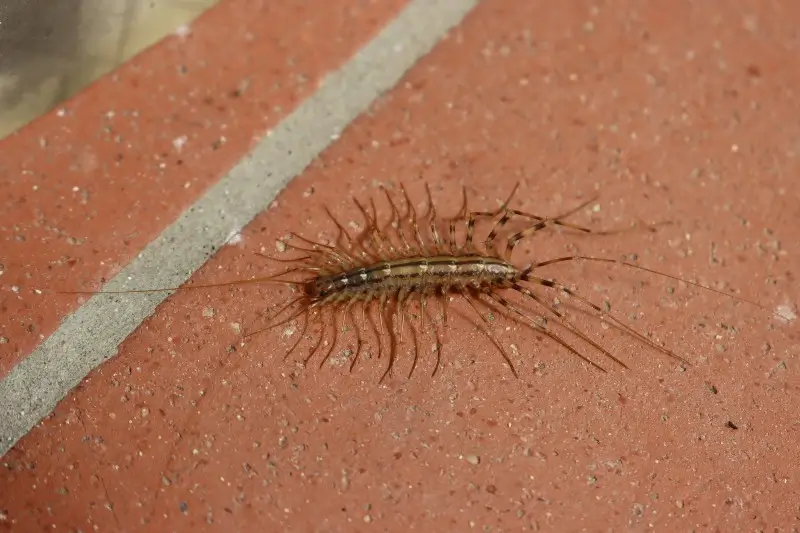
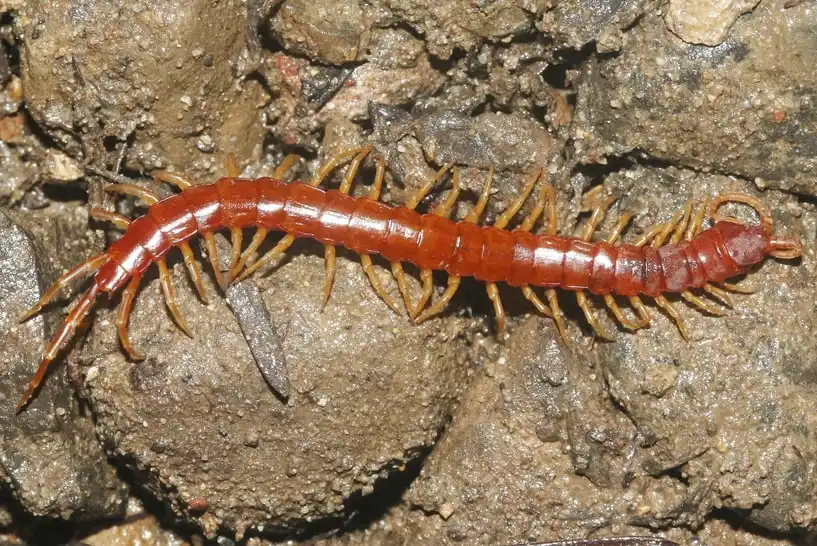
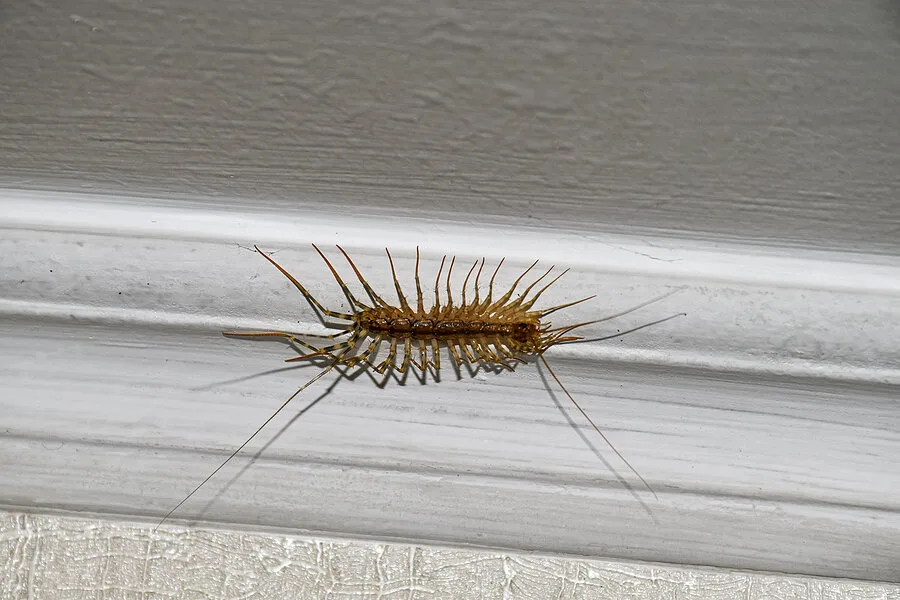
Have you ever turned on a light at night and seen a tiny creature suddenly disappear across the floor? You barely get a second to look at it. All you notice are the many legs, the quick movement, and the strange shape. Your first reaction might be, “What was that?” For many homeowners, that surprise visitor turns out to be a baby house centipede. While these small creatures can look unsettling, they are not as mysterious as they seem. Their appearance tells a story about their growth stage, their hiding spots, and even what may be happening inside your home. The key is knowing what to look for. A baby house centipede does not look exactly like the larger centipedes you may have seen before. It changes as it grows, and those differences can help you identify it correctly.
So, before you grab a spray or panic, let’s take a closer look at what you found, why it is there, and what your next step should be.
What Is a Baby House Centipede?
Credit: tumblr.com
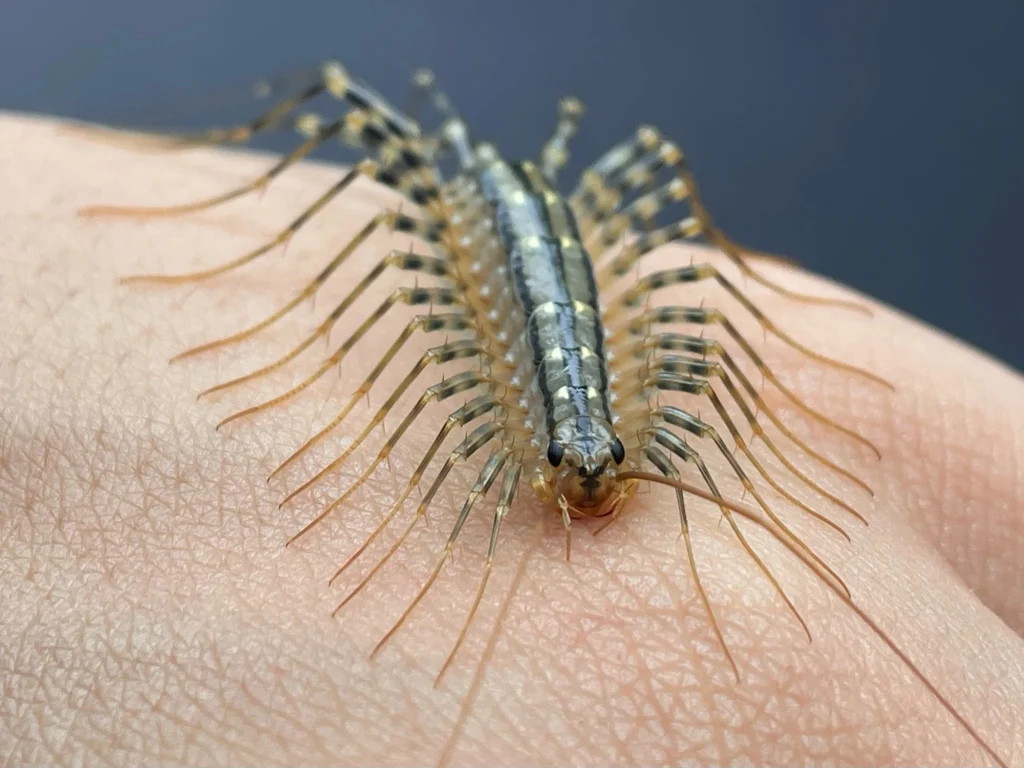
A baby house centipede is the early stage of the common house centipede species, known scientifically as Scutigera coleoptrata.
House centipedes are part of the centipede species group. They are not insects because they have more than six legs and a different body structure.
Unlike many household insects, house centipedes are predators. Their purpose inside your home is usually hunting.
And if you wonder, what do house centipedes eat?
Their diet mainly consists of small pests, including:
- Silverfish
- Spiders
- Cockroaches
- Small flies
- Moths
- Other tiny household insects
This is why some people ask, are house centipedes good?
The answer is complicated.
They can be beneficial because they eat other pests. However, seeing many of them may suggest your home has moisture problems or another insect population.
A young house centipede starts with fewer legs than an adult. As it grows through several molts, it develops additional legs and becomes easier to recognize.
What Does a Baby House Centipede Look Like?
Identifying a baby house centipede can be challenging. They are small, quick, and rarely stay still.
However, several features can help you recognize them.
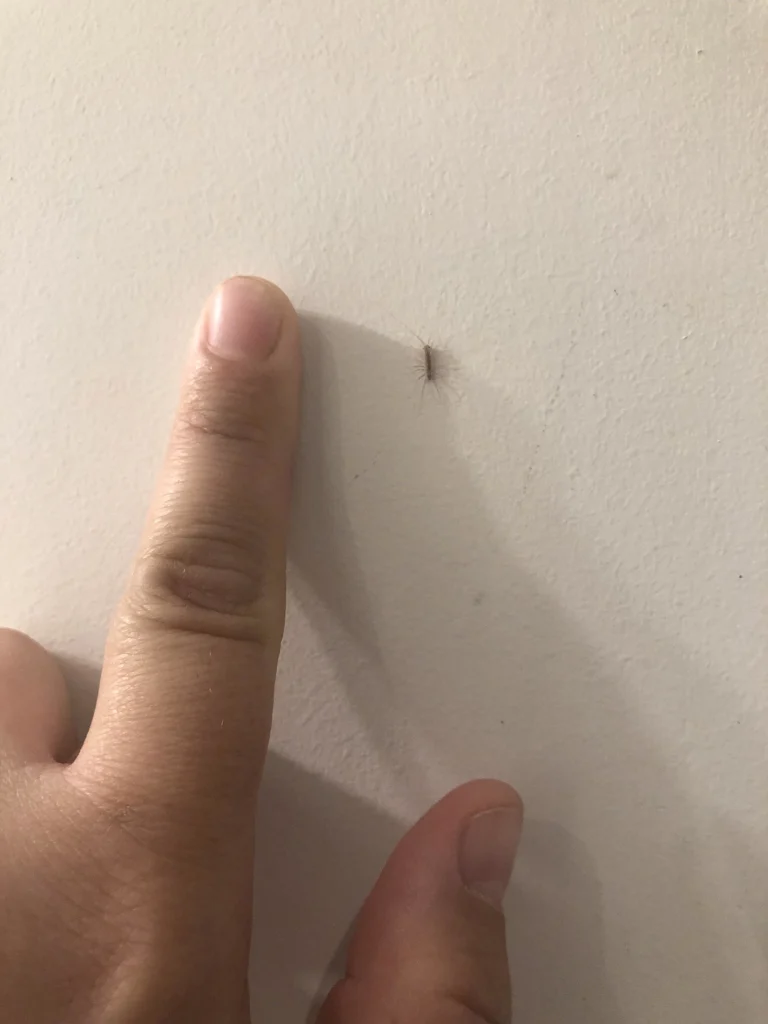
Baby House Centipede Size
Credit: reddit.com
The size depends on its growth stage.
Newly hatched centipedes are very small and may measure only a few millimeters.
As they mature, they become longer and develop their recognizable long legs.
Adult house centipedes are usually around one to one-and-a-half inches long. Their legs often make them appear much larger.
A small centipede with a narrow body and long legs is likely a young house centipede.
Look at the Legs
The legs are the easiest identifying feature.
A baby house centipede does not start life with the same number of legs as an adult.
Young centipedes gain more legs as they grow. A newly hatched house centipede may have only four pairs of legs.
Over time, it develops additional pairs until it reaches the adult number of 15 pairs.
The legs extend from the sides of the body.
This creates the thin, delicate appearance that makes house centipedes easy to recognize.
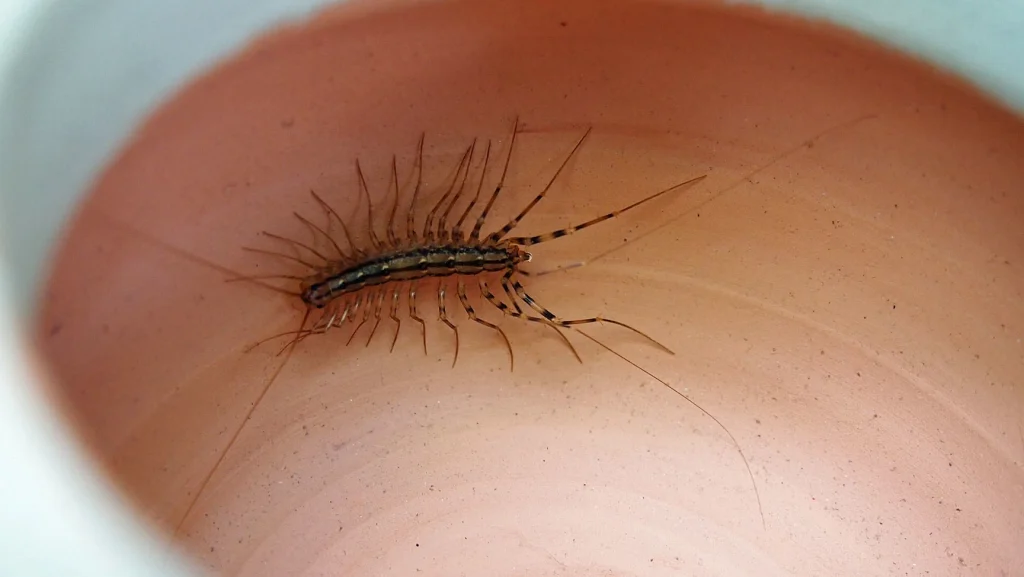
Notice the Body Shape
Credit: wildbell.com
A baby house centipede has a long, flattened body. Its body contains many small segments.
Unlike millipedes, which usually have rounder bodies, house centipedes look thin and flexible. Their body design helps them move quickly through narrow spaces.
This body shape is one of the biggest clues during pest identification.
Look at the Color
Many people search for a baby house centipede’s white appearance.
Very young house centipedes can appear pale or almost white after hatching.
As they grow, they usually develop a yellowish-gray color. Older juveniles may have darker stripes along their body.
Color can help, but it should not be the only factor.
A pale color does not always mean you are looking at a baby centipede.
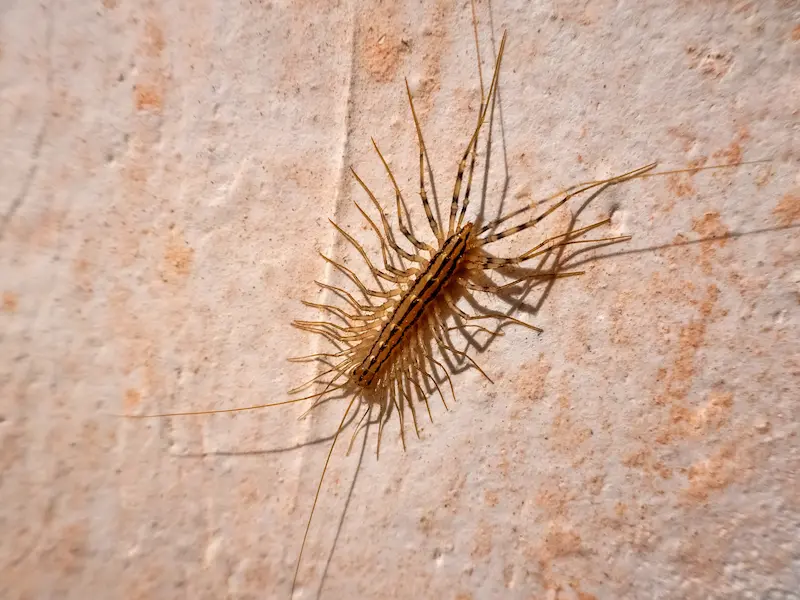
Observe the Movement
Credit: suburbanexterminating.com
One thing that separates house centipedes from many other household pests is speed.
They move extremely quickly, often stop suddenly, and then race toward hiding places.
They are mostly active at night because their hunting behavior happens in darkness.
If you see a small creature running quickly across the floor, especially near a damp area, a baby house centipede is possible.
House Centipede Face and Other Identifying Features
The face is another useful feature when identifying these creatures.
They have:
- Long antennae
- Small mouthparts
- A flattened head
- Long front legs adapted for catching prey
Their antennae help them navigate dark spaces.
Since house centipedes hunt rather than scavenge, their body is designed for finding and capturing prey.
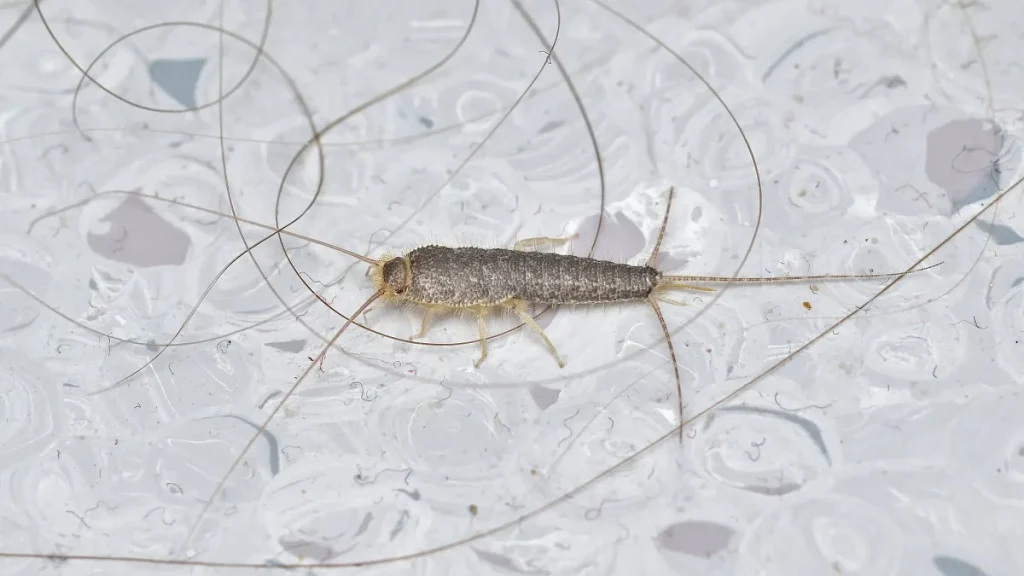
Baby House Centipede vs Silverfish: How to Tell the Difference
One common confusion is the house centipede vs silverfish comparison.
Both pests are fast and prefer humid areas. Moreover, both can appear in bathrooms and basements.
However, they look very different.
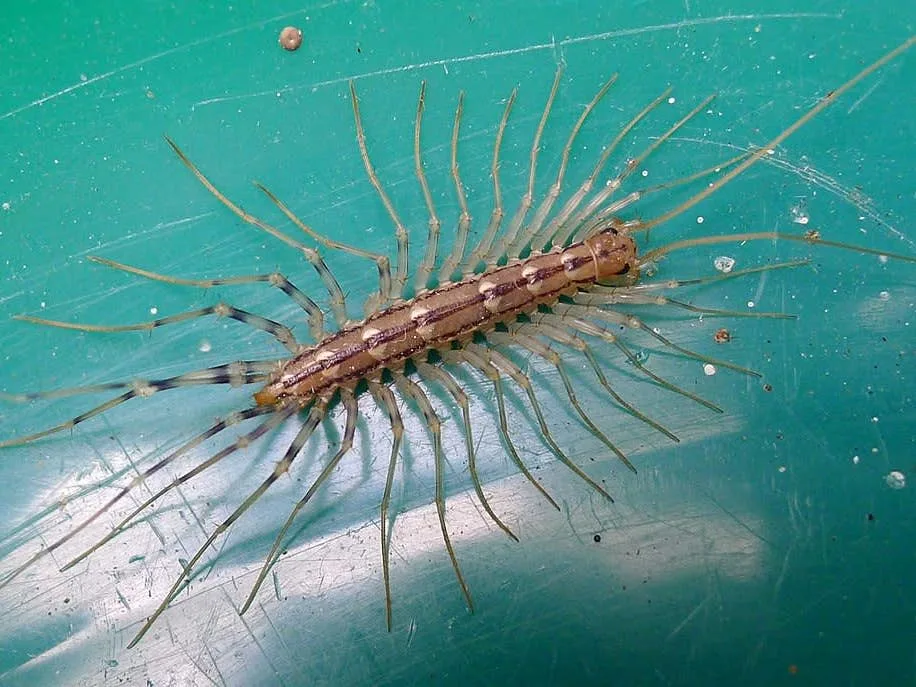
House Centipede
Credit: dengarden.com
- Has many legs along the body
- Has long, thin legs
- Has a flattened shape
- Moves extremely fast
- Hunts other pests
Silverfish
Credit: networx.com
- Silverfish has only six legs
- Has a carrot-shaped body
- Has three tail-like structures
- Moves quickly but differently
- Feeds on starches and organic materials
Where Do Baby House Centipedes Live?
Understanding the centipede habitat helps explain why they appear inside homes.
House centipedes prefer dark, damp, and quiet areas.
Their habitat preferences usually include:
- Bathrooms
- Basements
- Laundry rooms
- Garages
- Crawl spaces
- Under sinks
- Storage areas
- Cracks near foundations
Why Are Baby House Centipedes Appearing in My Home?
Finding one baby household centipede does not automatically mean you have a serious infestation.
Sometimes they enter accidentally.
They may come through:
- Foundation cracks
- Gaps around doors
- Window openings
- Plumbing spaces
- Utility openings
However, repeated sightings can indicate a bigger issue.
House centipedes need three main things:
- Moisture
- Shelter
- Food
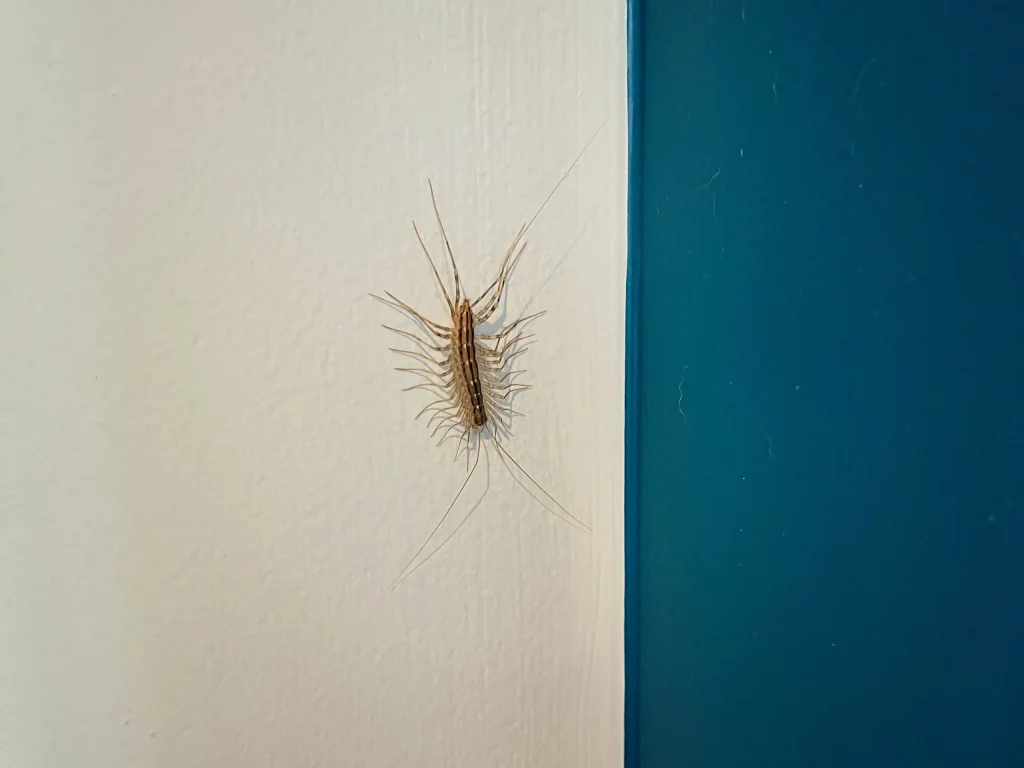
Are Baby House Centipedes Dangerous?
Credit: bramanpest.com
The answer is usually no.
House centipedes have venom because they use it to catch prey. However, they are not aggressive toward humans.
They typically avoid people and run away when disturbed.
A bite is uncommon. It usually happens only when someone handles or traps the centipede.
Are House Centipedes Good to Have Around?
Yes, they can provide some benefits.
House centipedes eat other unwanted pests.
They can help reduce populations of:
- Roaches
- Silverfish
- Spiders
- Other small insects
How Do You Get Rid of House Centipedes?
If you want to know how to get rid of house centipedes, start by removing the conditions they need.
Simply killing one centipede does not solve the problem.
You need to address moisture, food sources, and entry points.
When Should You Contact a House Centipede Exterminator?
Most occasional sightings can be handled with basic prevention.
However, repeated activity may require professional help.
A house centipede exterminator can inspect your home and identify why they are appearing.
Professional services may help when:
- You see centipedes frequently.
- Multiple rooms have activity.
- Moisture problems exist.
- Other pests are present.
- DIY methods are not effective.
Professional extermination focuses on the cause, not only the visible pest.
At BugLady, we take a complete approach to centipede control by looking beyond the pests you see. Our process includes identifying where they are coming from, understanding why they are entering your home, and applying solutions designed for your specific situation.
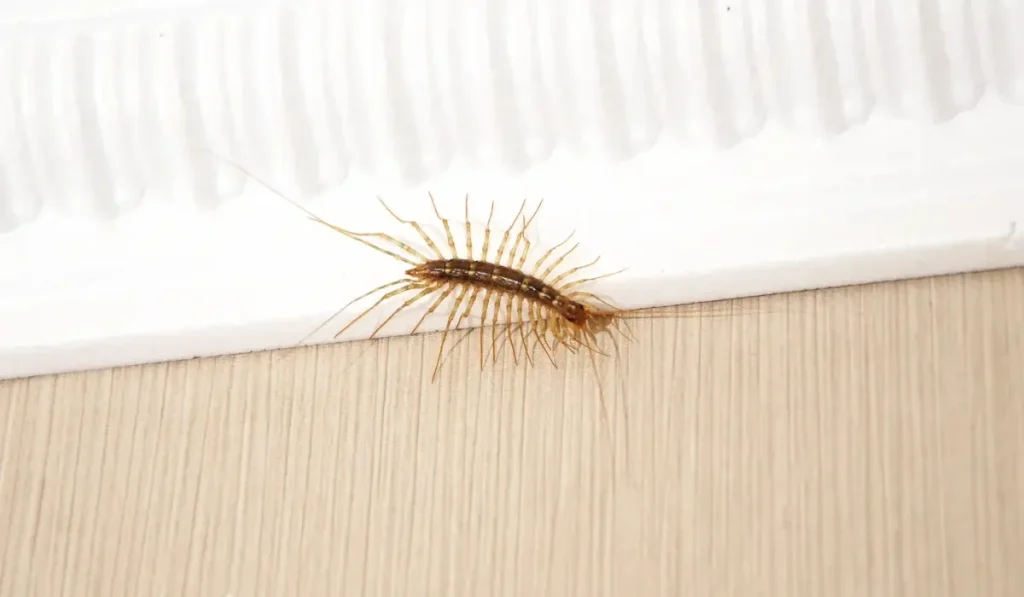
How to Repel House Centipedes Naturally
Credit: nativepestmanagement.com
The best approach is changing the environment.
You can make your home less attractive by:
- Keeping areas dry
- Reducing clutter
- Removing excess cardboard
- Sealing cracks
- Controlling other insects
- Cleaning storage spaces regularly
In a Nutshell
Finding a baby house centipede can be surprising.
Their many legs and quick movements often make homeowners uncomfortable. However, these creatures are easier to understand once you know what to look for.
With proper pest identification, moisture control, and prevention steps, you can reduce the chances of seeing them again.
Frequently Asked Questions
Let’s clear up some common concerns about baby house centipedes, including their appearance, habits, and presence inside homes.
What does a baby house centipede look like?
A baby house centipede has a small, flattened body with several legs along its sides. Young ones may appear pale or white before developing darker markings.
Is a baby house centipede dangerous?
No, a baby house centipede is generally not dangerous. They avoid humans and usually only bite when handled.
Do house centipedes eat roaches?
Yes, house centipedes can eat small roaches and other household pests. They are natural predators that hunt insects.
What attracts house centipedes to homes?
House centipedes are attracted to moisture, shelter, and food sources. Damp areas with other insects are especially appealing.
How can I get rid of house centipedes permanently?
The best approach is reducing moisture, sealing entry points, controlling insects, and using traps. If activity continues, professional pest control may be necessary.