We step outside on a sunny morning, coffee in hand, ready to admire our lush green lawns. Then we notice it, a brown, dead patch that wasn’t there last week. We water it. Nothing. We fertilize it. Still nothing. We pull back a section of that dying turf, and boom, dozens of white, C-shaped, squirming creatures stare back at us. Welcome to the world of grubs, a problem we’ve all faced or will face eventually. We’ve seen it happen to the most carefully maintained home lawns in our community, and trust us, it’s not fun. But here’s the good news: once we understand the types of grubs wrecking our yards, we can fight back fast and smart. Let’s get into it together.
What Are Grubs, Anyway?
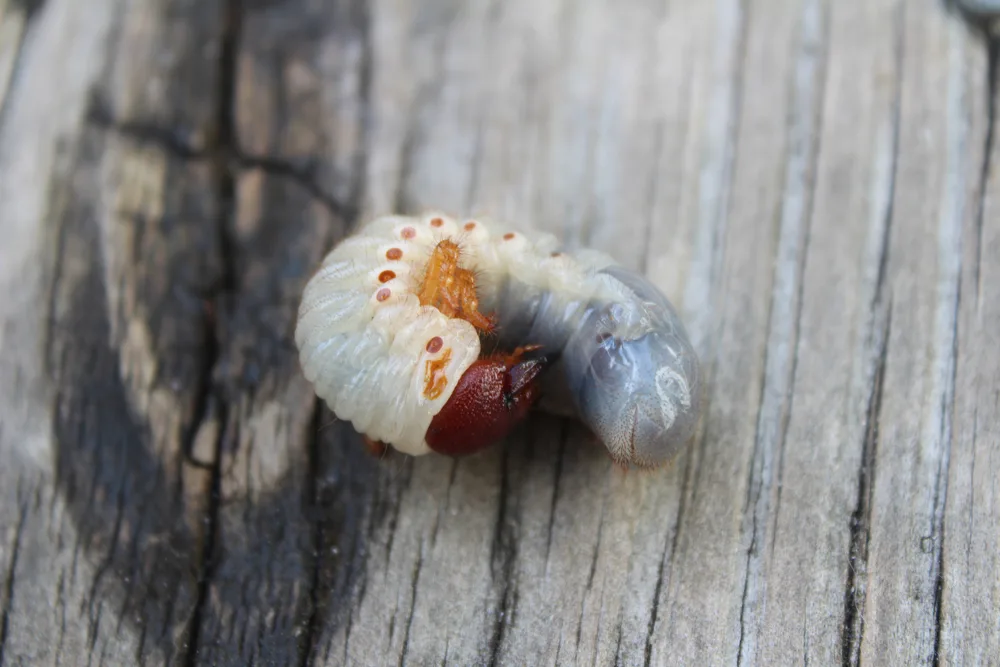
So, what are grubs, exactly? Grubs are beetle larvae, the immature, underground stage of several beetle species. They’re white to cream-colored, soft-bodied, with a recognizable brown head and six tiny legs clustered near the front. Most curl into a tight C-shape when we disturb them.
These grubs live in the soil, feeding ravenously on grass roots, and that’s exactly why they’re so destructive to what we work hard to maintain. We can’t see them. We can’t hear them. But our lawns sure feel them.
Here’s what makes them so dangerous for us:
- They remain hidden underground while they eat; we never see the attack happening
- A single grub can destroy an entire root system of a grass plant in days
- By the time we notice brown patches, the damage is already weeks deep
- They attract skunks, moles, and birds that dig up our lawns looking for a snack
A lawn with high grub activity can suffer massive grub damage in just a few weeks. And just like we need to handle termite damage to furniture before it gets out of control, the same urgency applies to grubs. We need to act fast.
The Most Common Types of Grubs We’ll Encounter
Credit: earthlife.net
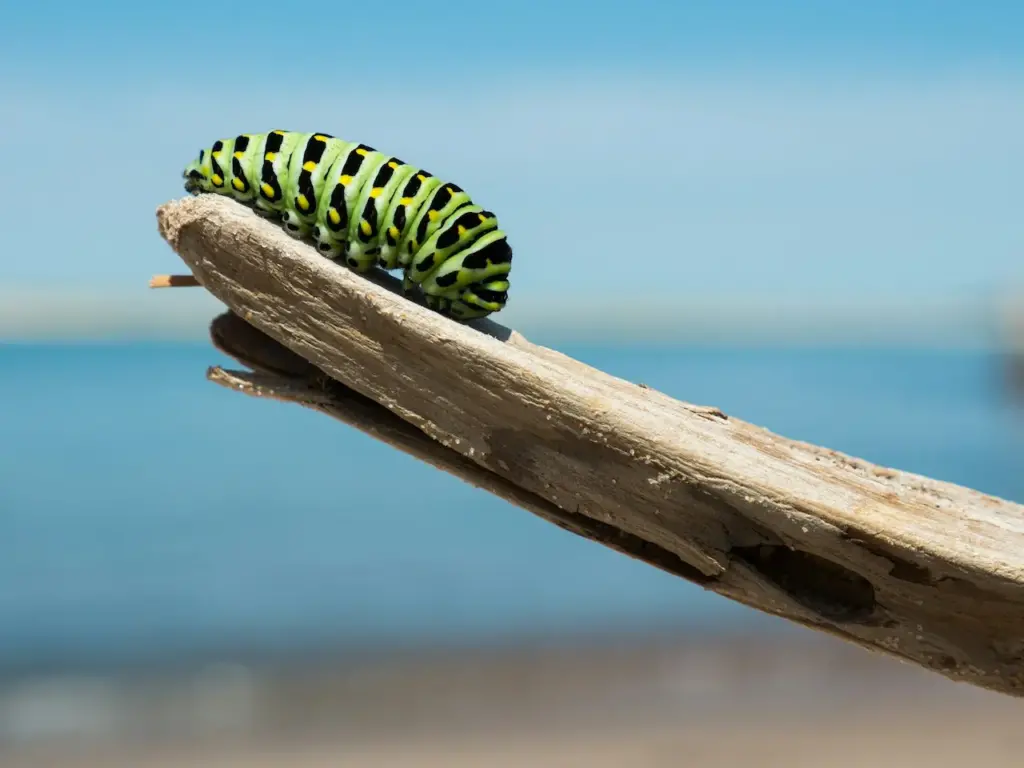
Not all grubs are the same. Knowing which grub species we’re dealing with changes everything: our treatment approach, our timing, and ultimately our results. Here are the different types of grubs most likely terrorizing our lawns right now:
a) Japanese Beetle Grubs: The #1 Culprit We Face
Japanese beetle grubs are arguably the most notorious of all the types of grubs we encounter. These creamy white larvae with a distinct brown head hatch in midsummer and immediately start feeding on grass roots. They’re most active in fall and spring, causing large dead patches that peel up like carpet, and we know exactly how frustrating that is.
- Size: up to ¾ inch
- Season: active late summer through fall
- Damage level: HIGH
b) European Chafer: The Sneaky Spreader We’re Learning About
The European chafer is one of the types of grubs that we often mistake for other species. Adults lay eggs in early summer, and by late summer the larvae are busy chewing through our roots underground. This grub spreads quickly across our lawns, and damage tends to show up in fall — after it’s already too late to catch it early.
- Size: up to ¾ inch
- Season: late summer to fall
- Damage level: HIGH
c) Masked Chafer: The Most Common Grub We’re Dealing With
The masked chafer (both northern and southern varieties) is the most widespread grub we’re battling across U.S. home lawns. It follows a predictable annual lifecycle, making it easier for us to time our treatments. Masked chafer grubs cause turf to feel spongy when we walk across it, an early, often overlooked warning sign that we need to pay attention to.
- Size: ½ to ¾ inch
- Season: mid-to-late summer
- Damage level: MODERATE to HIGH
d) June Beetle Grubs: The Slow Burn We Can’t Ignore
June beetle grubs live in the soil for 2–3 years before emerging as adults. That long underground stay means sustained root damage over multiple seasons, something we really want to prevent. These are among the types of grubs that we find hardest to detect early and hardest to eliminate once established.
- Size: up to 1 inch (the largest grub we’ll find)
- Season: active for multiple years
- Damage level: MODERATE (slow but persistent)
Signs of Grubs in Our Lawn: Don’t Miss These Red Flags
Credit: greentoplawncare.com
Grubs are underground terrorists working silently in our yards. By the time we see visible damage, they’ve already been at work for weeks. Here’s what we need to watch for; these signs of grubs in lawn are critical:
- Dead patches that don’t respond to our watering or fertilizer efforts
- Turf that feels spongy or soft underfoot when we walk on it
- Grass that peels back easily, like a loose carpet with no roots holding it down
- Birds, skunks, or moles digging up sections of our yard (they smell our grubs)
- Increased grub activity visible after rainfall when grubs rise closer to the surface
Here’s our go-to test that we use: We cut a 1 sq. ft. section of sod about 3 inches deep and flip it over. If we find:
- 0–5 grubs per square foot → We’re likely fine for now.
- 6–9 grubs per square foot → We should monitor closely; treat if our lawn is stressed.
- 10+ grubs per square foot → It’s time for immediate grub control.
Best Time for Grub Treatment: Timing Is Everything We Control
Most of us treat too late. The best time for grub treatment is early summer to midsummer, specifically, late June through July. Why? Because this is when beetle larvae are freshly hatched, small, close to the surface, and most vulnerable to treatment from us.
Waiting until fall means we’re dealing with large, deep grubs that are far harder for us to kill.
Think of it like this: we act in early summer; we’re stopping the problem at the door. We wait until fall, and we’re trying to clean up after the party already wrecked our house.
Best Treatment for Grubs in Lawn
Credit: donslawnokc.com
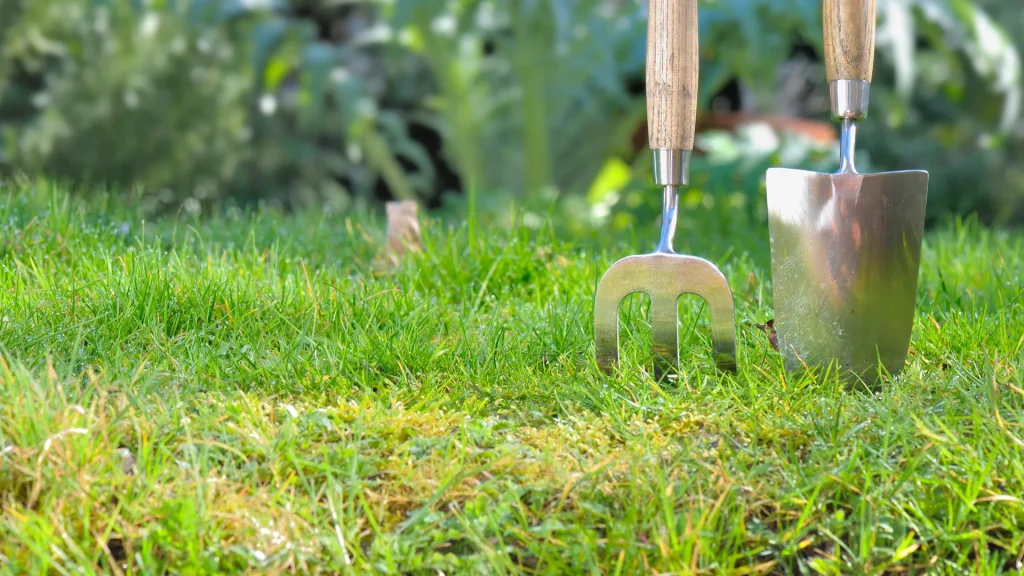
When it comes to the best treatment for grubs in lawn, we’ve got both natural and chemical routes to choose from. Here’s what we can do:
Natural / Organic Options We Can Use
- Beneficial Nematodes: Microscopic worms that enter and kill grubs naturally. We apply them in late summer when the soil is warm and moist.
- Milky Spore: A biological control that’s highly effective specifically for Japanese beetle grubs. It takes time for us to establish it, but it can last up to 10 years in our soil.
- Neem Oil: Disrupts grub development and discourages beetles from laying eggs in our lawns over time.
Chemical Grub Killers We Can Apply
- Imidacloprid: A preventive grub killer best applied in early-to-mid summer before eggs hatch in our yards.
- Chlorantraniliprole (GrubEX): Another excellent preventive option; one of the best for grub treatment for grass areas with a history of infestations that we’ve experienced.
- Trichlorfon: A fast-acting curative option for mid-to-late summer rescue treatments when we’re in a crunch.
⚠️ We always water treatments into our soil immediately after application. Chemical grub killers break down in sunlight if we leave them on the surface.
Grub Prevention in Lawns: Stop Them Before We Have To Fight Them
Credit: coochie.com.au
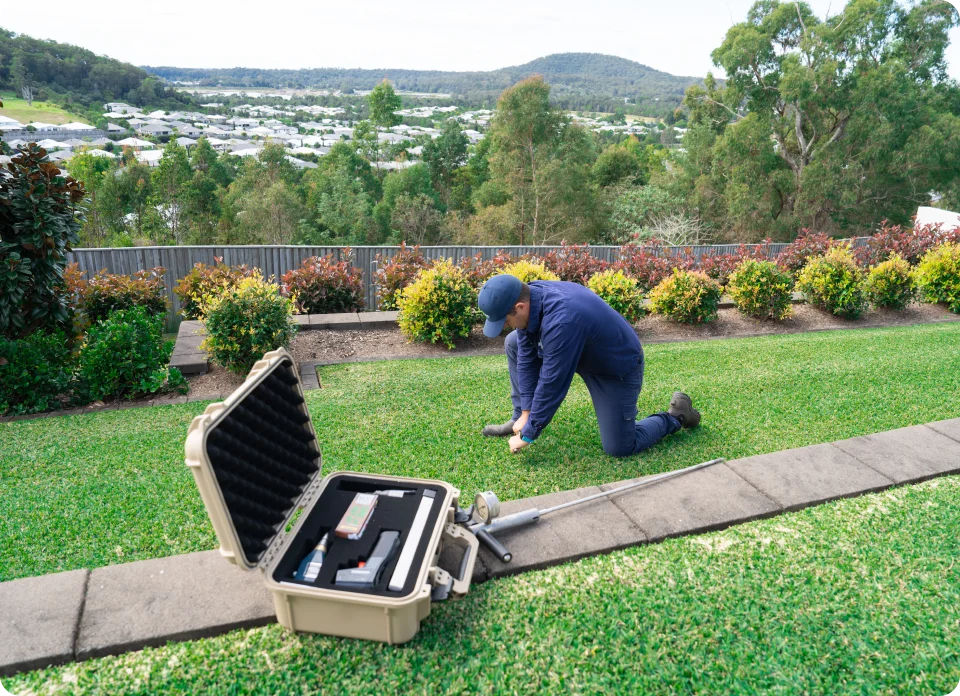
We always say prevention beats treatment every single time. Here’s how to make our lawns less attractive to types of grubs and the beetles that create them:
- Don’t overwater: Beetles love moist soil. We reduce watering in early summer during peak egg-laying season.
- Mow high: We keep grass at least 2–3 inches tall. Beetles prefer to lay eggs in short-cut, exposed turf.
- Aerate regularly: We break up compact, undisturbed soil. Beetles’ dream nursery becomes our nightmare if we don’t aerate.
- Dethatch annually: We remove thick thatch yearly. Thick thatch creates the perfect hidden environment for grubs in the soil.
- Apply preventive treatments in June: This is the smartest move we can make for grub prevention in lawns.
And hey, just like we need to handle bees invading our yards fast before they get out of control, the same urgency applies to grubs. We don’t wait for the damage to escalate.
Integrated Pest Management: The Smart Approach We’re Adopting
Integrated pest management (IPM) is the gold standard for long-term grub control that we’re all embracing. Instead of relying purely on chemicals, we combine multiple strategies:
1. Monitoring
We regularly check grubs per square foot to assess infestation levels in our lawns
2. Cultural controls
We maintain proper mowing, watering, aeration, and fertilization practices
3. Biological controls
We use nematodes, milky spore, and natural predators to our advantage
4. Chemical controls
We apply chemicals only when threshold levels are exceeded in our yards
IPM keeps our lawns healthy, reduces our chemical use, and prevents grub damage from becoming a recurring seasonal nightmare we dread every year.
Recovering Our Lawns After Grub Damage
Credit: weedpro.com
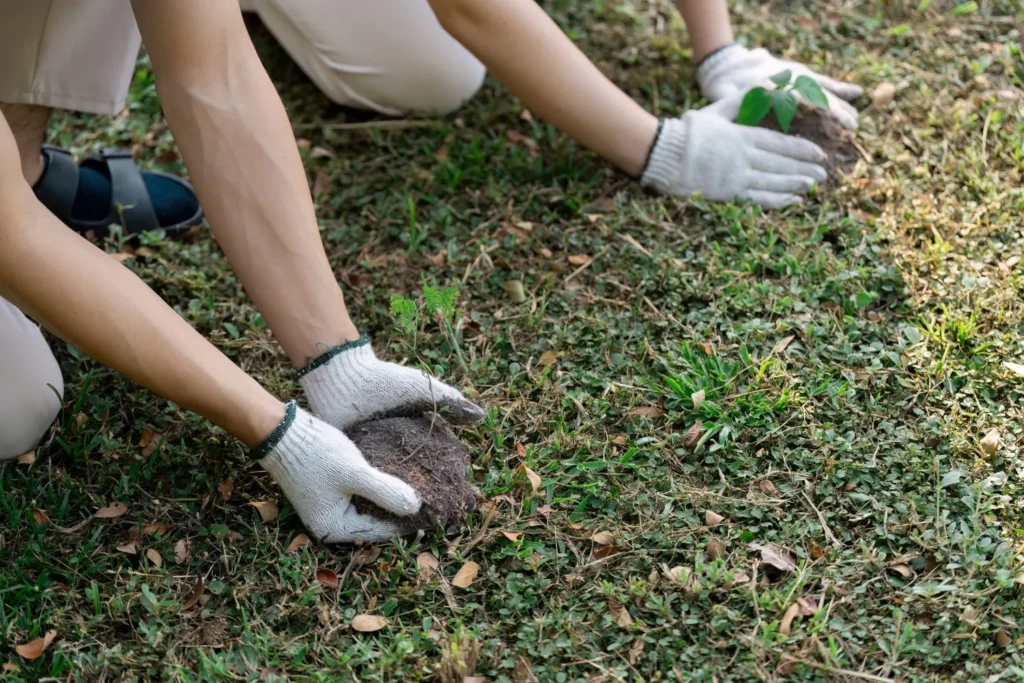
Once we’ve eliminated the grubs from our property, the work isn’t over. A heavily damaged lawn won’t recover on its own. Here’s what we recommend based on experience:
- Reseed dead patches in early fall (best germination weather for us)
- Apply starter fertilizer to encourage root regrowth in our damaged areas
- Water consistently but we avoid overwatering our recovering lawn
- Test our soil: grub damage often depletes nutrients significantly
With the right care we invest, most lawns bounce back within one full growing season of work.
We won’t let these underground invaders win. We’ll act early, treat smart, and maintain healthy lawns year-round, and if we ever need a professional in our corner, Bug Lady is here for us all.
The Bottom Line
As we wrap up, grubs don’t announce themselves. They work silently, deep in the soil beneath our lawns, until our once-beautiful yards are riddled with dead patches and spongy turf. But now we know exactly what types of grubs to look for, when to act, and how to reclaim our yards together.
FAQ’s
Let us answer a few of your queries regarding types of grubs.
What are grubs, and how do we know if we have them?
Grubs are white, C-shaped beetle larvae that live underground and feed on grass roots. We see signs like brown patches, spongy turf, and easy-to-peel grass. We dig a 1 sq. ft. section; 10+ grubs means we need treatment.
What is the best time for grub treatment?
Late June through July is the best time for grub treatment. Grubs are small, near the surface, and highly vulnerable to both chemical and natural treatments at this stage we can target.
What kills grubs fast?
Chemical grub killers like trichlorfon work fastest as curative treatments for us. For a natural option, beneficial nematodes are effective but take longer, usually several weeks, to show results we can measure.
How many grubs per square foot is too many?
10 or more grubs per square foot typically signals a damaging infestation we need to address. At 6–9 in a stressed lawn, treatment may still be warranted by us.
Can grubs come back after we treat?
Yes, unless we also address the adult beetles laying eggs. Using preventive treatments in early summer each year, combined with proper lawn care, significantly reduces repeat infestations we all want to avoid.