You’d be shocked at how many people believe the wrong things about pests. Studies show that the average homeowner relies on misinformation when dealing with pest control myths. They try DIY fixes that fail. They follow advice that doesn’t work. And they end up spending way more money than they should have. Why does this happen? Because common pest control myths are everywhere. They’re on social media, in conversations. They’re passed down through families. The problem is: nobody questions them. Everyone just assumes they’re true. But they’re not. I’ve spent time researching what actually works versus what’s just folklore. And the difference is huge. The myths cost you money, but the facts save it.
So let’s cut through the noise. Here are the pest control myths you need to stop believing—and the real truth about each one.
Myth #1: Clean Homes Never Get Pests
Credit: bugsman.com
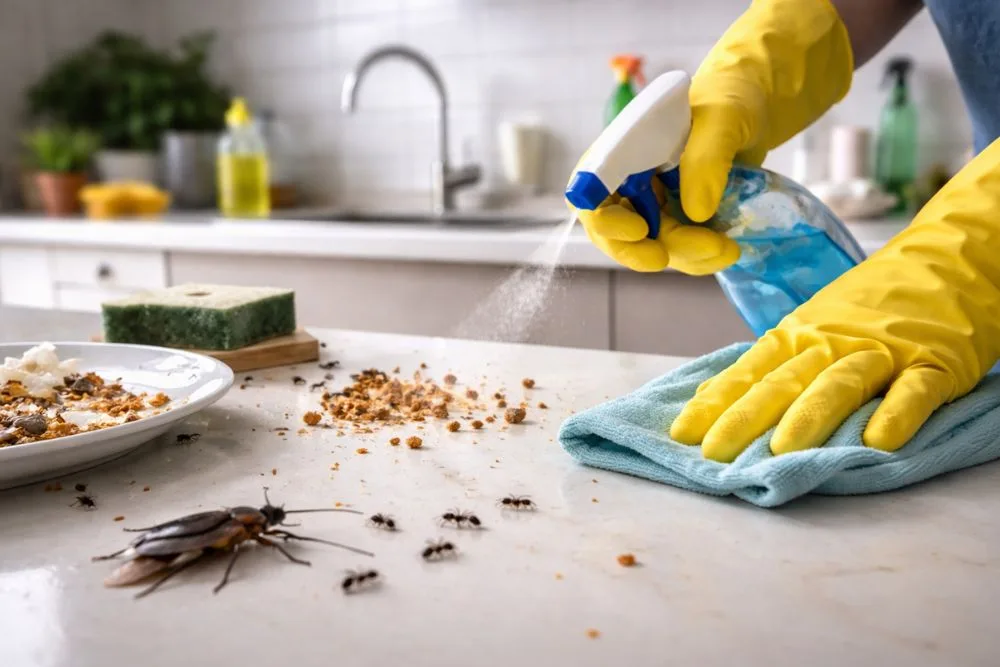
This one hurts to bust. Because it sounds so logical. A clean home means no pests, right?
Wrong.
Pest problems do not care about your cleaning habits. They care about three things: food, water, and shelter.
Even the cleanest home has water pipes. Even the tidiest kitchen has crumbs. And every house has warm spots to hide.
- The truth: Termite infestations start in clean homes too. Termites eat wood, not dirt. They do not check if you vacuumed. Bed bugs want your blood. They do not rate your neatness. Cleanliness helps, sure. But it is not a force field.
Pests are opportunists. They will move into a clean home without a second thought.
Myth #2: DIY Methods Are Just as Good as Professional Services
Credit: bobvila.com
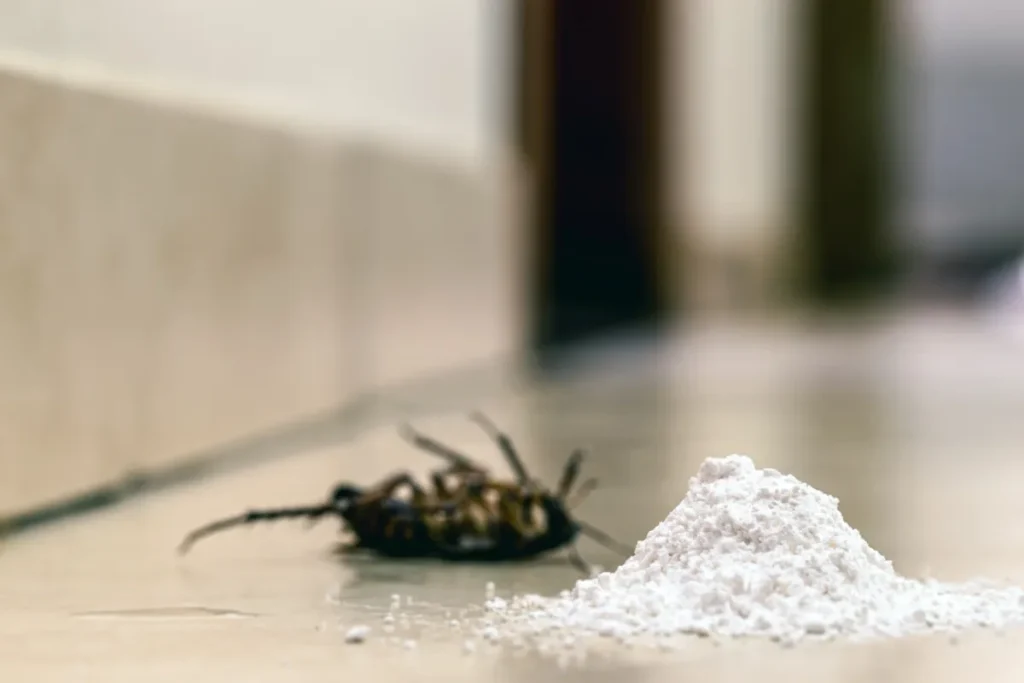
Look, I get it. Hiring a pro costs money. Store-bought sprays are cheap. Makes sense to try yourself first.
But here is the harsh reality. Most DIY pest control fails.
Why? Simple, you do not have the right tools or the right products. And you probably do not know where the pest problems really live.
- The truth: Store-bought cockroach pest control spray and other over-the-counter options kill what they touch. That is it; they do not reach the nest or treat the colony. They just zap a few visible bugs.
Meanwhile, the real problem hides in your walls. It breeds in your crawl space. It grows while you think you solved it.
Professional pest control services find the root cause. They address the root of the problem. Not just what you can see. For commercial properties and homes alike, pros use proven methods to eliminate infestations completely.
Myth #3: Cheese Is the Best Bait for Mice

Credit: tomsguide.com
For decades, every mouse in pop culture has gone crazy for cheese. So we load our traps with cheddar. And wonder why the trap stays empty.
- The truth: Mice prefer high-protein foods. Peanut butter works way better. So does chocolate. Even pet food beats cheese.
If you want to catch a mouse, skip the dairy. Go for something sticky and smelly. Peanut butter is the gold standard. Mice cannot resist it.
Myth #4: Bed Bugs Only Live in Dirty Places
Credit: acacamps.org
This myth hurts people the most.
Think about it. When someone finds bed bugs, they feel ashamed. They think it means they are dirty and hide the problem instead of fixing it.
Stop that right now.
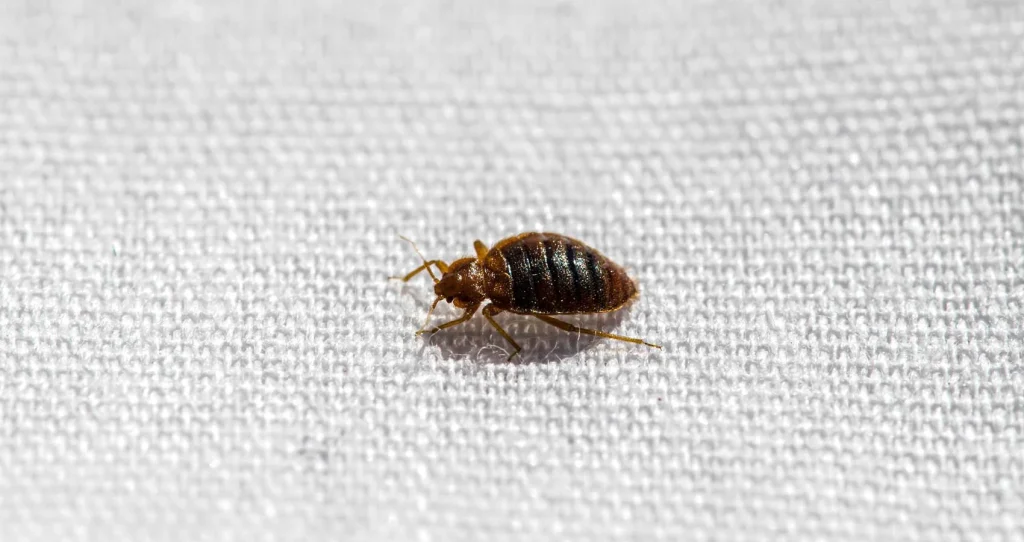
- The truth: Bed bugs do not care about dirt. They care about blood, and they follow warmth and carbon dioxide. Not dust bunnies.
Five-star hotels get bed bugs. Clean hospitals get them, and luxury apartments get them. Anyone can get them.
Bed bugs hitchhike. They ride in your luggage, your clothes, and your second-hand furniture. Cleanliness has nothing to do with it.
So drop the shame. If you find bed bugs, call a pro, fast.
Myth #5: Cats Are the Best Rodent Control
Credit: skedaddlewildlife.com
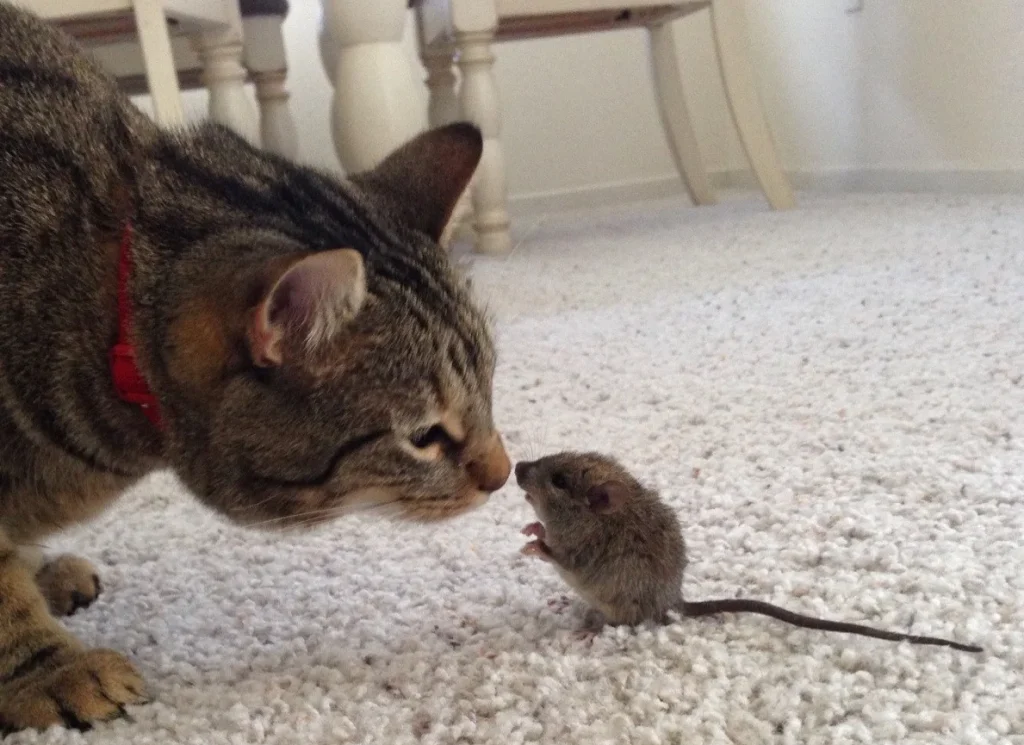
I love my cat. But she is not a mouser.
Most domestic cats today have zero interest in hunting. They prefer kibble and naps.
- The truth: Sure, some cats catch mice. But relying on Whiskers to handle a snake control or rodent problem? That is a bad plan.
Rodents breed fast, I mean, really fast. One pair can produce dozens of babies in months. Your cat cannot keep up.
Also, mice hide where cats cannot reach. Behind walls, under floors, and inside insulation. Your cat will never find them there.
Rodent control needs a strategy. Entry points must be sealed. Trapping must be consistent, and sanitation matters too.
Myth #6: Bug Zappers Kill Mosquitoes

Credit: nytimes.com
That blue light feels like justice to mosquitoes.
But here is the ugly truth. Bug zappers are terrible at killing mosquitoes.
- The truth: Mosquitoes are not attracted to UV light. They follow carbon dioxide and track body heat and smell your breath.
So what gets zapped? Beneficial insects, moths, beetles, and midges. Things that actually help your garden.
Meanwhile, mosquitoes just ignore the whole setup.
Bug zappers kill the wrong bugs. For real mosquito control, you need targeted treatments. Commercial mosquito control requires professional expertise. Skip the zapper and use proper mosquito control instead.
Myth #7: Natural Remedies Are Always Safer

Credit: foodgardening.mequoda.com
Essential oils, vinegar sprays. Diatomaceous earth. Sounds harmless, right?
Not always.
- The truth: “Natural” does not mean “safe.” Some natural substances can harm pets, kids, or you. And most natural remedies lack staying power.
For example, peppermint oil might repel spiders for a few hours, but then it evaporates. The spiders come back.
Professional products are tested. They are measured, applied with care, and last longer and work better.
Natural has its place. But it is not automatically the safer choice.
Myth #8: One Pest Means No Infestation
Credit: callnorthwest.com
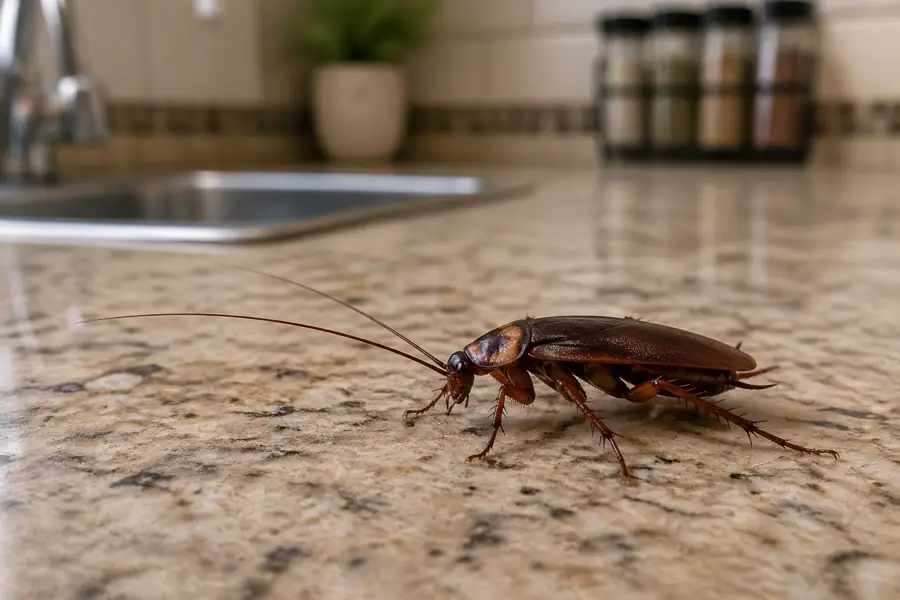
“You only saw one cockroach. No big deal.”
- The truth: Pests are social; they live in groups. Cockroach pest control spray targets what you see. But the real threat? Termite colonies and ant control problems hide underground and behind walls.
Think of it like an iceberg. What you see is just the tip. The real problem lurks below. Always assume one pest means hundreds more.
For subterranean termites, the infestation can spread throughout your foundation. Termite inspections catch these early. Pest control for carpet beetles and other hidden infestations also requires professional assessment.
Myth #9: Ultrasonic Repellents Are a Guaranteed Fix
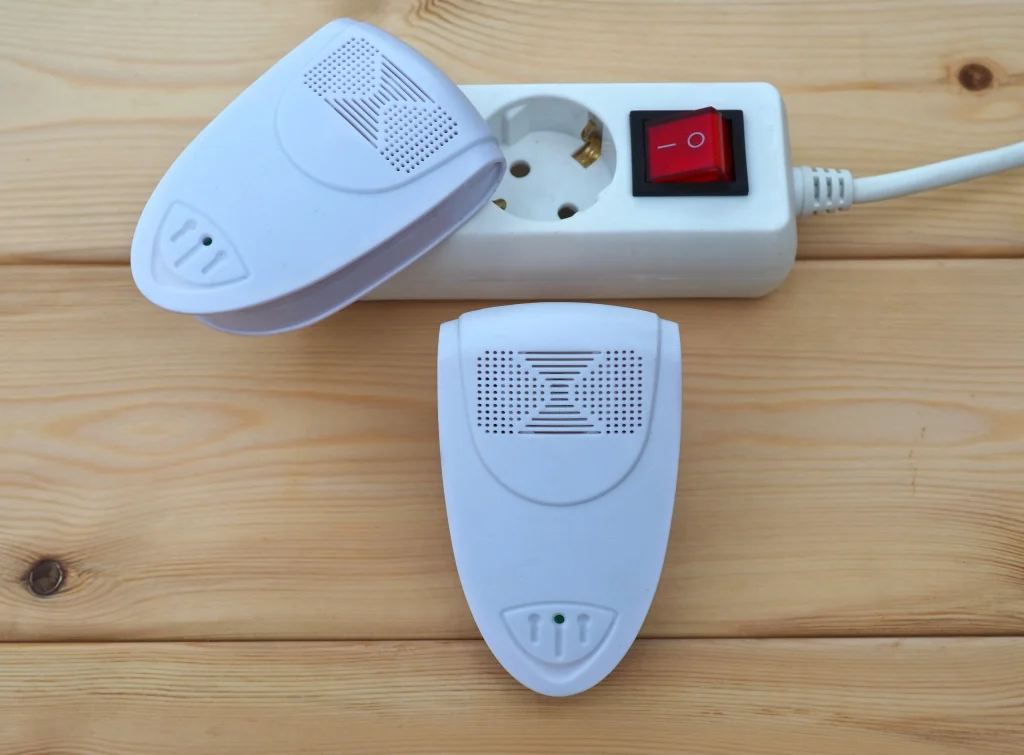
Credit: cooperpest.com
Those little plug-in devices promise a lot. They claim to blast high-frequency sound waves. Pests hate them and flee.
Sounds perfect, but too bad it does not work.
- The truth: Studies show ultrasonic repellents have a very limited effect. Some pests get annoyed at first. Then they get used to it, and they ignore it completely.
These devices do not solve the root problem. They do not seal entry points or remove food sources.
Save your money.
Myth #10: You Only Need Pest Control When You See Pests
Credit: allsouthpestcontrol.com
This is the most expensive myth on this list.
Waiting until you see pests means waiting too long.
- The truth: Termites eat your house for years before you notice. Rodents chew wires behind walls for months. Ant colonies grow underground for seasons.
By the time you see signs, the damage is done. Understanding the termite treatment cost and the type of termite damaging your home matters. Some species cause more damage faster.
Prevention is cheaper. Regular pest control for commercial buildings and residential inspections catches problems early. Bait stations and preventative ant pest control spray applications stop infestations before they spread.
For commercial pest control, routine termite inspections and proactive treatment are investments. A small treatment cost now beats a huge repair bill later.
Don’t wait and stay ahead. Pest control services and professionals exist for a reason.
Ending Remarks
Pest control myths and misconceptions are everywhere. But feelings are not facts.
Most common pest myths debunked in this blog should change how you think about infestations.
The best approach? Trust the science; call the pros. And question everything you think you know about bugs.
Frequently Asked Questions
Check out these quick answers to see if you’re still falling for common myths.
Can a clean home still get termites?
Yes. Termites eat wood, not dirt. Any wooden structure is at risk, regardless of the termite treatment cost.
Does one cockroach mean there are more?
Almost always. Cockroaches are social. They hide in groups, similar to how pest problems scale quickly.
Is peanut butter really better than cheese for mice?
Yes. Mice prefer high-protein, sticky foods. Peanut butter works best for traps and bait stations.
Are professional pest control products safe for pets?
Yes, when applied correctly by pest control services. Technicians use safe methods and proper entry point treatment.
Do ultrasonic pest repellers really work?
Not reliably. Most pests ignore them after a short time. Professional pest control beats gimmicks every time.