You’re out in the backyard, sipping your morning coffee, when buzz. Something yellow and fuzzy darts past your ear. Your heart jumps. Is it dangerous? Will it sting? Should you run? We get it. Most people can’t tell a honey bee from a carpenter bee, and honestly, that’s a problem because knowing the difference could save you from a painful sting or an unnecessary panic. We’ve put together this complete guide to help you understand the common types of bees, which ones to watch out for, and exactly how to stay safe around them.
How Many Types of Bees Are There, Really?
The diversity of bees across the planet is truly staggering. Scientists have cataloged thousands of species, each with unique behaviors and characteristics. Here’s what we know about global bee populations:
- Over 20,000 species of bees exist worldwide, making them one of nature’s most successful insect groups.
- North America alone is home to more than 4,000 unique bee species that fill various ecological roles.
- Bees range dramatically in size, from tiny 2mm species to larger 40mm varieties depending on the type.
- Only a small fraction of all bee species are aggressive or likely to sting you when encountered.
So, how many types of bees are there? More than most people ever imagine. With over 20,000 species of bees recorded globally, bees are one of the most diverse insect groups on the planet. But we don’t want that number to overwhelm you. We’re focusing on the ones you’re most likely to encounter in your yard, near your porch, and buzzing around your garden. We’ve studied these extensively, and we’re here to share what we’ve learned.
Common Types of Bees, The Complete Breakdown
Credit: healthline.com
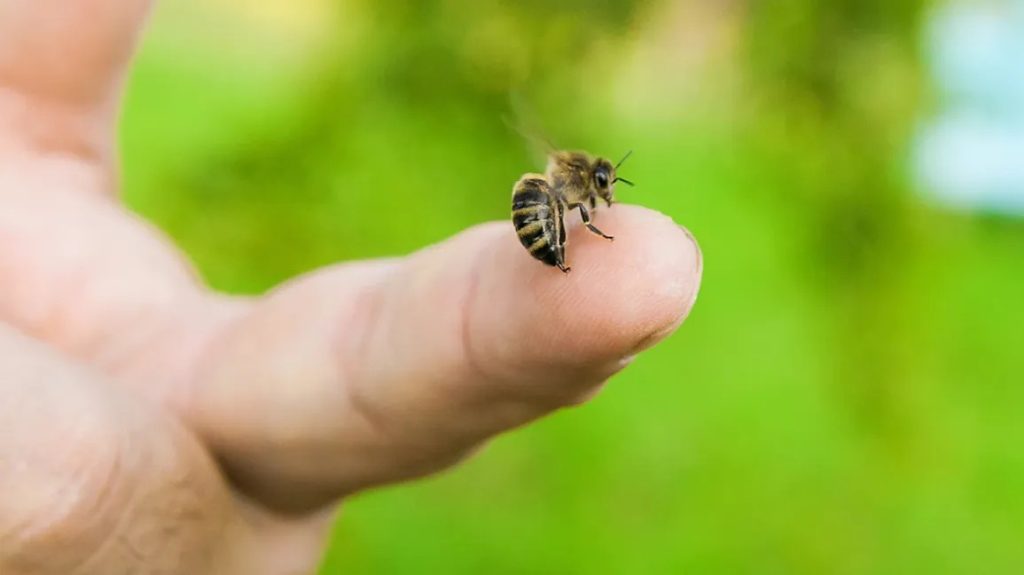
Understanding the common types of bees you’ll encounter is essential for knowing how to react safely. Each species has its own personality, lifestyle, and level of aggression. Let’s explore the ones that matter most to you.
a) Honey Bees, The Fan Favorites
The honey bee is the most recognized bee species in the world and serves as the iconic pollinator in most people’s minds. They live in large, structured bee colonies of up to 80,000 workers, each with specific roles to keep the hive thriving. We’ve learned that they’re gentle by nature, but they will sting if they feel threatened. The catch we always mention is that a honey bee can only sting once before it dies, so they don’t sting lightly.
- Honey bees are social insects that produce the honey we love and use for everything from food to medicine.
- They collect pollen systematically and return it to their hive to feed the colony and create energy reserves.
- A single honey bee colony can collect 30 to 60 pounds of honey in a good season when flowers are abundant.
- They communicate through the famous waggle dance to share information about food sources with other workers.
b) Bumblebees, The Gentle Giants
Big, round, fuzzy, and surprisingly chill, bumblebees are among the most lovable social bees out there. We find them endearing because they gather pollen from wildflowers and fruit trees with extraordinary efficiency. Unlike honey bees, bumblebees can sting multiple times. But we’ve observed that they rarely do unless you directly disturb their bee nest.
- Bumblebees are larger and fluffier than honey bees, making them instantly recognizable when they buzz past your face.
- They are incredibly effective pollinators because their fuzzy bodies collect and transport massive amounts of pollen.
- Unlike honey bees, bumblebee colonies are smaller, typically containing only 50 to 400 workers per hive.
- They are far more cold-hardy than other bees, allowing them to fly on cool days when other bees stay home.
c) Carpenter Bees, The Woodworkers
Here’s one that surprises our readers, the carpenter bee doesn’t look dangerous, but it can cause real structural damage to your home. We’ve documented how they drill perfectly round holes into wood, decks, fences, and eaves to create brood cells for their young.
- Carpenter bees are solitary insects, meaning each female creates her own nest without help from a colony.
- They drill nearly perfect ½-inch diameter holes into soft wood to create tunnels for egg chambers.
- The damage from carpenter bees is primarily cosmetic and structural rather than dietary, as they don’t eat the wood.
- Male carpenter bees are territorial and aggressive-looking, but they have no stinger and cannot hurt you at all.
d) Sweat Bees, The Tiny Hitchhikers
Sweat bees are small, sometimes metallic green or with a black abdomen, and they’re attracted to human sweat for its salt content. We’ve identified them as among the most common types of ground bees, and they often go completely unnoticed.
- Sweat bees are attracted to your perspiration because they need salt for their bodies to function properly.
- These tiny insects are often metallic in color, ranging from green to blue to red depending on the species.
- They are solitary ground-nesters that require minimal space to create their burrows near your garden or patio.
- Most sweat bee species are non-aggressive and will only sting if squeezed or threatened directly.
e) Leafcutter Bees, The Quiet Pollinators
The leafcutter bee is a solitary, hardworking pollinator that we absolutely love and recommend welcoming to your garden.
- Leafcutter bees cut perfect circular pieces from leaves using their strong mandibles and carry them to their nests.
- They are excellent pollinators for vegetables, fruits, and flowering plants, often more efficient than honey bees.
- These solitary bees create paper-like tubes from the leaf pieces they collect, constructing safe homes for their offspring.
- They rarely sting and are so docile that many gardeners actively provide nesting tubes to attract them.
Types of Bees That Sting and How Much It Hurts
Credit: smarterpestcontrol.com
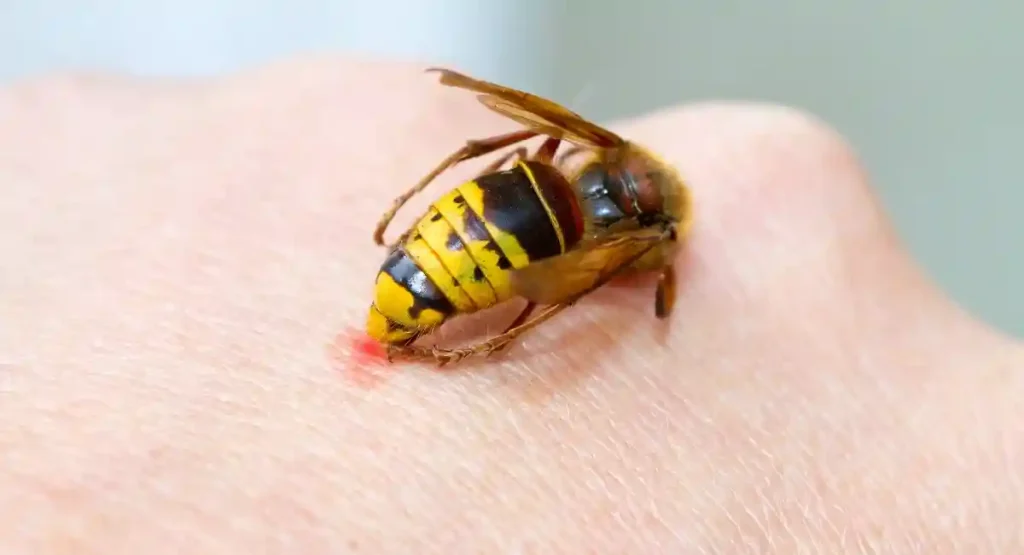
Understanding which bees actually pose a stinging threat will help you distinguish between genuine danger and unnecessary worry. Not all bees are equally aggressive, and some are downright peaceful neighbors. Here’s what we know about bee stings from real encounters.
Let’s be honest, this is what most people really want to know. When it comes to types of bees that sting, we believe understanding the risk level helps you react smartly instead of panicking.
Here’s the real danger scale we’ve developed based on our research:
a) Low Threat, Unlikely to Sting
Solitary bees like carpenter bees, mason bees, and sweat bees fall into this category. We’ve observed that they’re too busy minding their own business to bother you unless you physically grab them or sit on them. We recommend simply leaving them alone.
- Solitary bees have no colony to defend, so they lack the aggressive instinct that social bees develop.
- Most male bees have no stinger at all, making them completely incapable of stinging even if they wanted to.
- Even female solitary bees use their stingers only as a last resort when they feel their lives are in immediate danger.
- The venom from solitary bee stings, when they do occur, is typically milder than that from social bees.
b) Moderate Threat, Sting When Provoked
Honey bees and bumblebees sit here. We understand that they’re protective of their bee nest and colony, but we’ve learned that they won’t chase you unprovoked. Keep calm, move slowly, and we promise you’ll be fine.
- Honey bees will sting only when they perceive a direct threat to themselves or their hive entrance.
- Bumblebees are more defensive than solitary bees but still require significant provocation before they resort to stinging
- Both species give clear warning signs before stinging, like hovering directly in front of your face and buzzing loudly.
- The sting from these bees is painful but rarely dangerous unless you have allergic reactions to bee venom.
c) High Threat, Approach With Caution
Africanized honey bees, often called killer bees, are the real concern we take seriously. They look exactly like regular honey bees but react aggressively to even minor disturbances.
- Africanized honey bees will chase perceived threats for up to a quarter mile from their hive if provoked.
- They respond to much smaller disturbances than regular honey bees, including shadows, vibrations, and loud noises.
- A single Africanized bee sting can trigger an alarm pheromone that causes hundreds of bees to attack in unison.
- These bees are found primarily in southwestern states and are expanding northward as temperatures warm.
⚠️ Important: Allergic reactions to bee stings can be life-threatening. We’ve seen cases where reactions escalate rapidly. If you experience swelling beyond the sting site, difficulty breathing, or dizziness, we urge you to seek emergency care immediately. A stinging insect reaction escalates fast, and we want you safe.
Types of Ground Bees, The Ones You Never See Coming
Credit: lulwarkpestcontrol.com
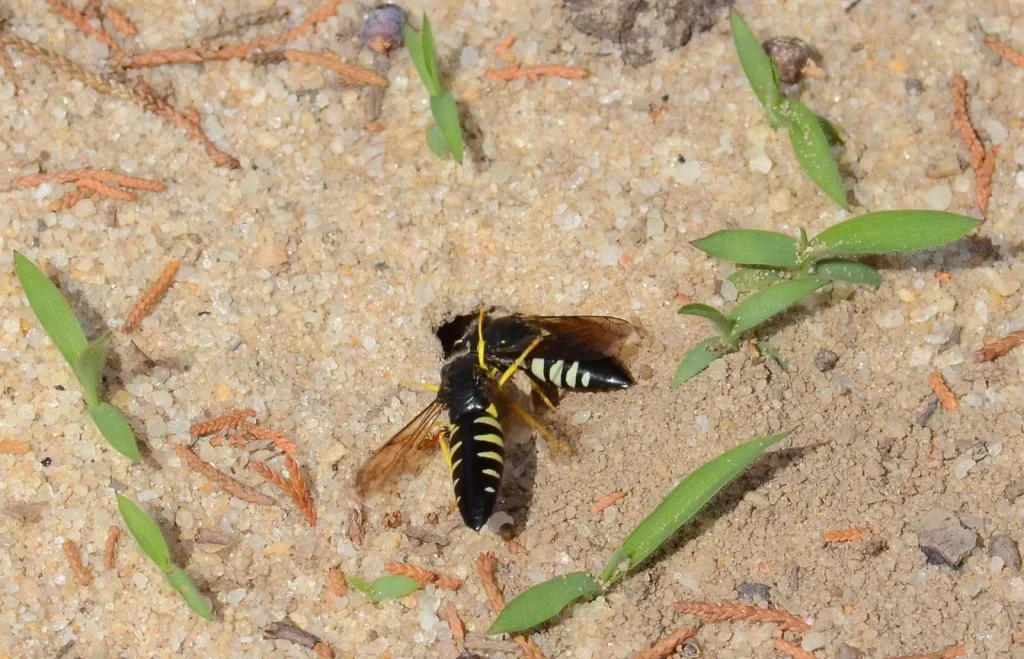
Ground-nesting bees are often the source of unnecessary panic because people mistake them for dangerous wasps or yellow jackets. The truth is that most ground-nesting bees are solitary, docile, and far more interested in pollinating your garden than bothering you. Let’s demystify these underground dwellers.
Types of ground bees are the most misunderstood category we work with. People assume bees that live underground are more dangerous, but we’ve found the opposite is true. These are primarily solitary bees, and they nest in the ground without any real interest in stinging you.
- Mining bees are the most common type of ground bee and create small volcano-like mounds when they dig their burrows.
- Sweat bees prefer loose, dry soil and are often seen flying just inches above the ground near garden beds
- Digger bees create more substantial nest sites with visible sandy mounds and larger entrance holes than other species.
- These ground-nesting bees are active for only a few weeks during spring and early summer before completing their life cycle.
Signs There’s a Bee Nest Near Your Home
Finding a bee nest on your property doesn’t automatically mean danger or that you need immediate removal. Understanding the signs will help you decide whether to call a professional or simply observe from a safe distance. Finding a bee nest near your home doesn’t always mean danger. But we know it does mean action. The earlier you identify it, the easier it is for us to help you manage, especially before the colony grows. We’ve handled thousands of cases, and timing matters.
- Increased bee activity in one specific area of your yard or home typically indicates a nesting site nearby.
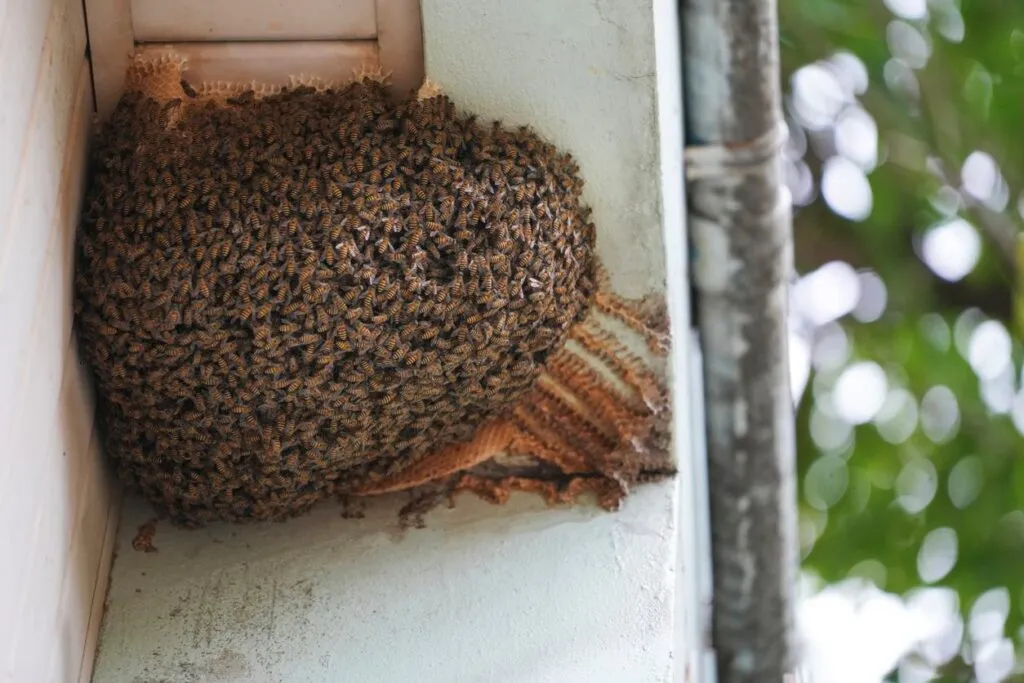
- Buzzing sounds coming from inside walls, attics, or under eaves suggest a honey bee hive has established itself in your structure.
- Wax or honey seeping through walls is a definite sign that a honeybee colony is producing and storing honey inside your home
- Round holes drilled into wooden structures like decks, fences, and siding are the unmistakable signature of carpenter bees.
How to Stay Safe Around Bees
Credit: ecrotek.com.au
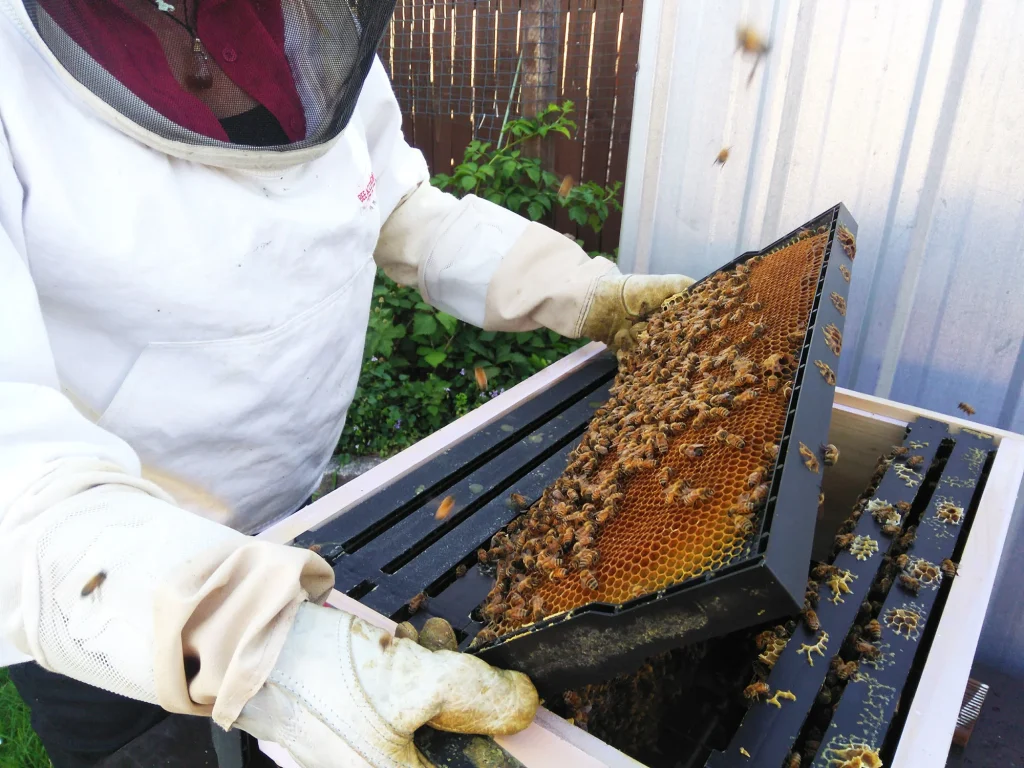
Staying safe around bees doesn’t require fear or panic. It simply requires understanding, respect, and a few common-sense precautions. Most bee encounters end peacefully when you know how to behave around them. We can’t stress this enough: the safest way to deal with bees is knowing what you’re dealing with first. That changes everything. We’ve built our entire approach around this principle.
i. Stay Calm, Stay Safe
Bees sense panic. We’ve observed that quick movements and swatting trigger defensive stinging. If a bee lands on you, stay still, let it explore, and we promise it’ll fly away on its own. Easier said than done, but it works every time we’ve seen it tested.
- Stay still if a bee lands on your body because sudden movements trigger their defensive instincts immediately.
- Slow, deliberate movements are always safer than quick reactions when bees are nearby.
- Breathing deeply and remaining calm sends fewer alarm pheromones that might attract more bees to the area.
- Never swat at a bee because even a missed swat can trigger aggressive behavior from the entire group
ii. Protect Your Home Proactively
We recommend you seal entry points in eaves, fences, and deck boards to prevent carpenter bee damage. Keep compost bins sealed. Trim overgrown shrubs where bees love to build nests. We do this for our own homes too.
- Wear light-colored clothing when outdoors because dark colors resemble predators and trigger defensive responses in bees.
- Avoid strong fragrances, including perfumes, scented lotions, and heavily fragranced shampoos that attract bees.
- Keep food and drinks covered during outdoor gatherings to prevent bees from investigating your refreshments.
- Seal wood with paint or stain to make it less attractive to carpenter bees looking for places to drill.
iii. Know the Difference Between Bees and Wasps
Bees and wasps look similar but behave very differently. We’ve trained ourselves to spot the difference instantly: wasps are sleek, hairless, and far more aggressive. Bees are fuzzy pollinators that just want to collect pollen and go home.
- Wasps are hairless and smooth, while bees are covered in fuzzy hair for collecting pollen effectively.
- These are predators hunting for protein, while bees are vegetarians looking for nectar and pollen.
- Wasps are far more aggressive and will sting repeatedly without losing their stinger or dying.
- Bees are beneficial, while wasps serve mainly to terrorize picnics, though they do eat some garden pests.
When to Call for Bee Pest Removal
Credit: rovepestcontrol.com
Knowing when professional help is necessary can save you from dangerous situations and costly home repairs. Professional beekeepers and pest removal experts have the tools, training, and experience to handle bee situations safely and humanely.
If any of the above sounds familiar, stop. We strongly advise you not to try to handle it alone.
Professional bee pest removal is the smart, safe move we’ve learned to recommend. A trained expert can identify the type of bees, assess the colony size, remove the nest safely, and implement prevention so it doesn’t come back. We know the professionals in this space, and we trust their work. When you’re searching for pest control bees near me or need bees pest control services, we recommend you look for licensed professionals who offer humane removal options.
Bees and Butterflies: The Bigger Picture
Here’s something we always remind our readers: bees aren’t the enemy. They’re essential. We’ve dedicated ourselves to this mission because without them, our food systems collapse. They pollinate fruit trees, wildflowers, vegetables, and hundreds of plant species that we all depend on every day.
If you’ve ever been curious about raising pollinators yourself, you can always learn through guides to raising butterflies because it’s a wonderful starting point. Pollinators, bees included, deserve our respect, not our fear. We’ve built this resource to help you understand why.
Final Word
Over 20,000 bee species fill our world, yet most are harmless wonders once you know them. Knowledge beats panic every time. Spot a buzz? Identifying your visitor turns fear into fascination. Check out local guides to learn more about the nature in your own backyard.
Bees keep life blooming; let’s live smartly and safely alongside them.
Have a bee problem you can’t identify? Bug Lady is here to help, because every buzz has a name, and every swarm has a solution. We’re with you every step of the way.
FAQs
Here’s a look at some of your queries regarding common types of bees.
What are the most common bees in the U.S.?
The top 5 you’ll see: honey bees, bumblebees, carpenter bees, sweat bees, and leafcutter bees. BugLady has studied each one extensively.
Do all bees sting?
No! Male bees can’t sting. Most female bees only sting if directly threatened.
How do I treat a bee sting?
Scrape out the stinger (don’t squeeze!). Apply ice and take antihistamines. Seek emergency help for swelling or breathing issues.
How do I remove bees from my yard?
Leave ground nests alone; they’ll disappear in weeks. For hives in walls or large colonies, call a professional bee removal service.
Are carpenter bees dangerous?
Rarely. Females can sting but usually don’t. The real issue? They drill holes in wood, damaging decks and fences over time. BugLady has assessed many homes affected by this.