Do you love your garden but find yourself battling those pesky garden pests? Well, don’t stress; I’ve got your back! If you’re on the hunt for a natural, organic solution to pest control, you’re in the right place.
Imagine this: plants not only keep your garden safe but also help to create a healthy, thriving ecosystem. Sounds like magic, right? Well, it kind of is!
Using plants for pest control is a simple and eco-friendly way to protect your garden while maintaining its natural beauty. Let’s jump in and discover how you can transform your garden into a pest-free haven, all thanks to the power of plants!
What Are Pest Control Plants for Your Garden?
Credit: jlsinc.net
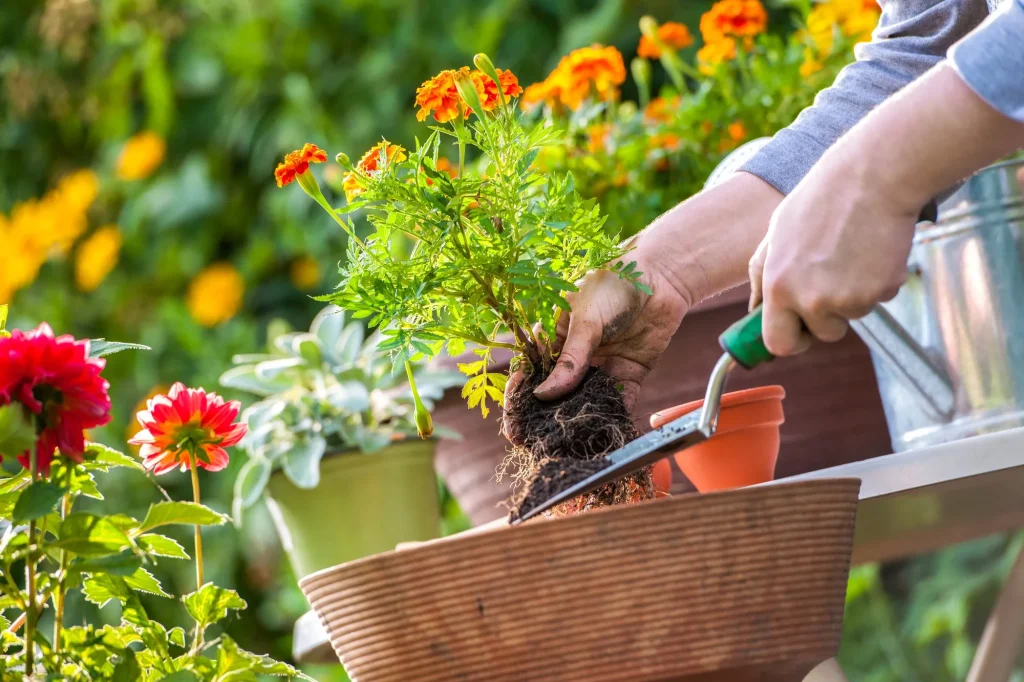
Let’s get straight to the point: What plants are good for pest control? Nature’s got your back! You don’t have to rely on harsh chemicals to keep those pesky garden invaders away.
There are a variety of plants that can naturally repel insects, attract beneficial bugs, or even act as trap crops that lure pests away from your precious veggies.
And here’s the best part: you don’t have to be a gardening pro to make it happen. It’s as easy as planting the right plants and letting nature do the rest!
Here’s a quick breakdown of how pest control plants for the garden work:
- Repel insects: Some plants release strong scents that pests can’t stand, keeping them away from your plants.
- Attract beneficial insects: Other plants draw in good bugs, like ladybugs and bees, that help keep harmful pests in check.
- Trap crops: Certain plants act as decoys, attracting pests so they leave your main crops alone.
So, are you ready to transform your garden into a natural fortress? Let’s dive into the magic of these green warriors!
Mint Plant for Pest Control: The Power of Mint
Credit: bonnieplants.com
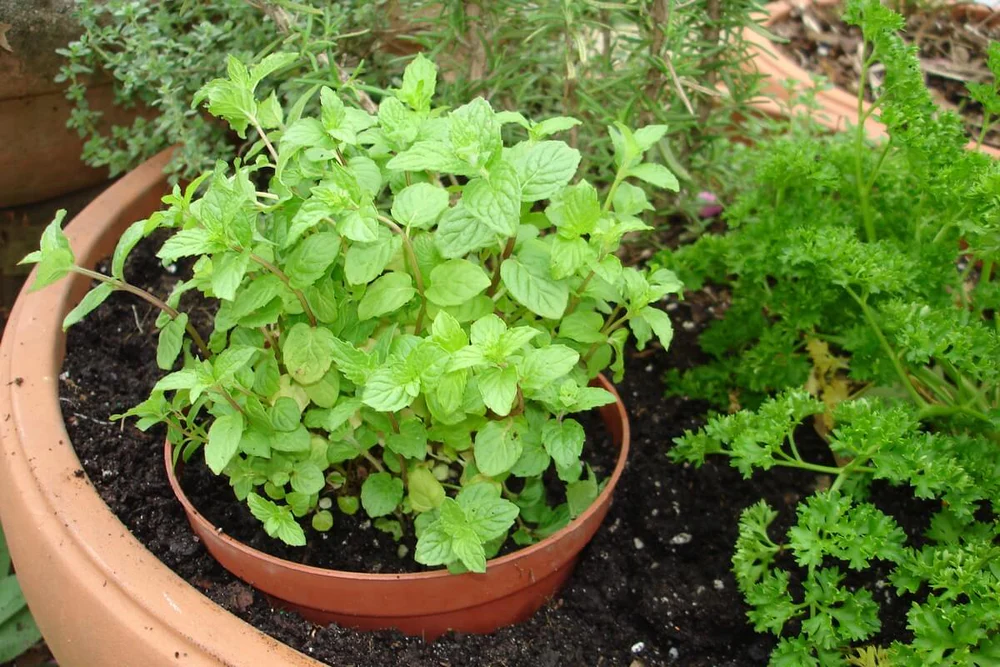
Ah, mint. It’s not just a refreshing addition to your summer drinks – it’s a powerful weapon in your pest control arsenal.
Here’s why planting mint for pest control is a game-changer:
- Mint repels pests like ants, mosquitoes, and flies with its strong, aromatic scent.
- You can plant mint near your veggies to ward off pests that love to munch on your plants.
- Planting mint for pest control is easy – just make sure to plant it in containers or restrict its growth, as it can spread quickly!
Garlic: The Secret to Keeping Pests Away
Credit: gardenerspath.com
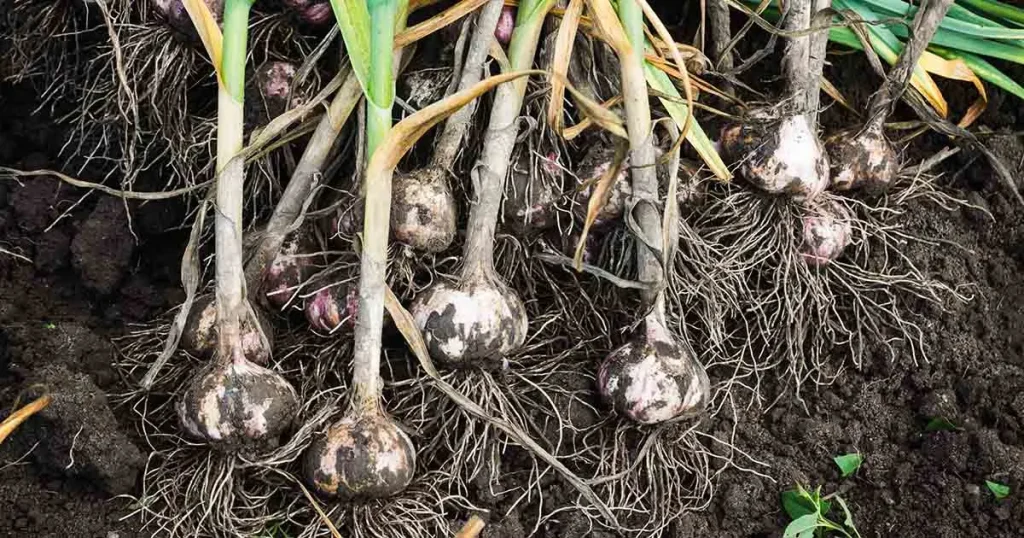
You probably already know garlic adds flavor to your cooking, but did you know it’s also a powerful natural pest repellent?
Here’s how planting garlic for pest control works:
- Garlic releases a strong odor that deters pests like aphids, Japanese beetles, and even the infamous squash bug.
- Garlic spray can be made by blending crushed garlic and water, which you can spritz directly on plants.
- Planting garlic in your garden not only helps to repel pests, but it also boosts your plants’ immunity by enhancing the soil.
Using Carnivorous Plants for Pest Control
Credit: newsweek.com
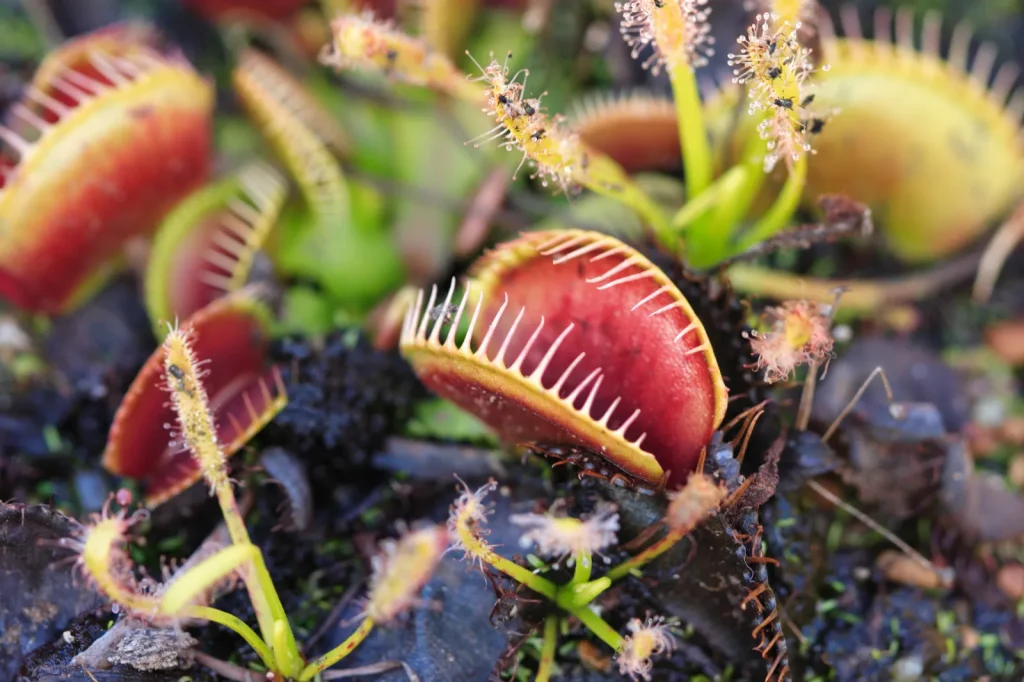
Are you ready to take your pest control game to the next level? If so, it’s time to talk about carnivorous plants. These plants are not your average garden dwellers – they actively hunt insects!
- Carnivorous plants like Venus flytraps and pitcher plants attract and trap pests, including mosquitoes and aphids.
- These plants don’t just look cool – they actively reduce pest populations in your garden.
- Not only will they keep pests at bay, but they will also add a touch of mystery and charm to your garden.
Neem Oil: The Organic Pest Control Miracle
Credit: gardenia.net
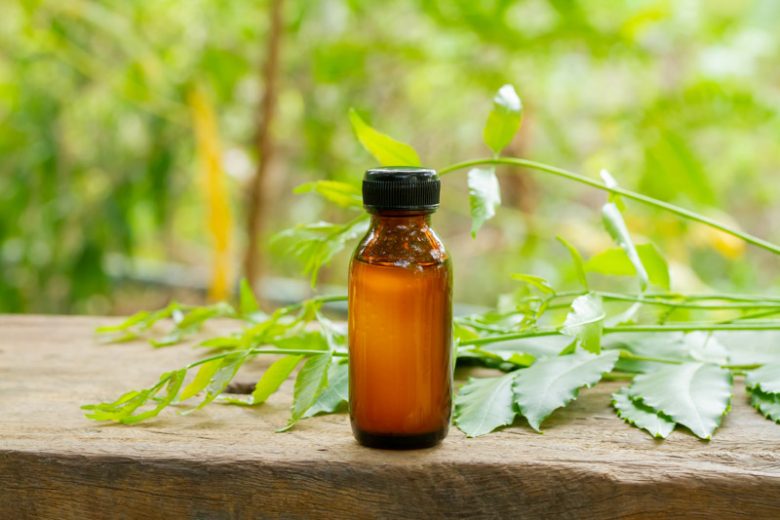
If you’re looking for an organic pest control for plants, neem oil should be at the top of your list. It’s a natural pesticide derived from the neem tree, and it works wonders for controlling pests.
- Neem oil targets a wide range of pests, including tomato hornworms, aphids, and cabbage moths.
- It’s a safe option for your plants and won’t harm beneficial insects like bees and butterflies.
- Simply mix neem oil with water in a spray bottle and spray it on the leaves to deter pests without harming the environment.
Companion Planting
Credit: gardenia.net
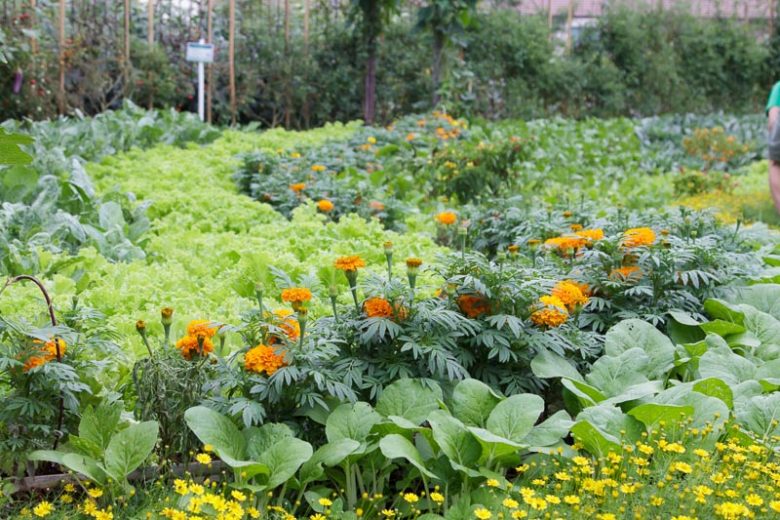
If you’ve ever wondered how to deter pests naturally, companion planting is a tried-and-true method. The concept is simple: certain plants grow better together and even help each other out when it comes to pest control.
- Marigolds repel aphids, nematodes, and whiteflies, while basil keeps mosquitoes and flies away.
- Planting garlic and mint together creates a powerful, natural defense against a range of pests, including squash bugs.
- By strategically planting compatible plants together, you’ll reduce the need for harsh chemicals and encourage a healthy garden ecosystem.
If you want to dive deeper into pest control, we’ve got resources for you! Check out our pest control classes to learn more about managing pests the eco-friendly way.
Attracting Beneficial Insects with the Right Plants
While some plants repel pests, others actually attract beneficial insects that help control the bad bugs. Think of it as creating a safe haven for friendly insects like ladybugs, bees, and butterflies.
- Dandelions attract ladybugs that eat aphids.
- Lavender is great for attracting bees, which help pollinate your flowers and vegetables.
- When you plant flowers that attract beneficial insects, you create a natural balance where pests are kept under control by their natural predators.
How to Make the Most of Plants for Pest Control in Your Garden
Now that you know what plants work best for pest control, let’s talk about how to use them effectively in your garden. It’s all about being strategic.
Here’s how to get started:
- Mix and match: Use a combination of pest control plants for the garden to create a diverse ecosystem. This will help you deal with different types of pests.
- Go beyond the garden bed: Don’t just plant pest-repellent plants in the garden beds. Try planting them along the perimeter of your garden to create a pest barrier.
- Focus on soil health: Healthy soil equals healthy plants. Use natural pest control methods like companion planting and organic fertilizers to keep your garden thriving.
Final Word
In conclusion, using plants for pest control isn’t just easy – it’s a game-changer for your garden!
By ditching harmful chemicals and embracing nature’s own defenses, you’re not only protecting your plants but also nurturing a healthier, more sustainable environment.
So, say goodbye to synthetic pesticides and hello to a greener, thriving garden that’s as safe for you as it is for the planet! Your garden’s natural pest control solution is just a plant away!
FAQs
Now that you’ve learned all about using plants for pest control, let’s tackle some of the most common questions people have when it comes to natural pest control.
What are the best plants for pest control?
Mint, garlic, marigolds, basil, lavender, and dandelions are some of the best plants for pest control. Mint and garlic help repel pests, marigolds can deter aphids and nematodes, and lavender or dandelions can attract beneficial insects.
Can I use mint to control pests?
Yes, planting mint for pest control can help keep ants, mosquitoes, and flies away from your garden. Because mint spreads quickly, it’s best to grow it in containers or controlled areas.
How do carnivorous plants help with pest control?
Carnivorous plants like Venus flytraps and pitcher plants attract and trap insects such as mosquitoes, aphids, and flies. They can help reduce some pest populations naturally while adding unique visual interest to your garden.
Is neem oil safe for plants?
Yes, neem oil is generally safe for plants when used correctly. It is an organic pest control option that helps manage pests like aphids, tomato hornworms, and cabbage moths without harming many beneficial insects when applied properly.
What is companion planting?
Companion planting means growing certain plants together because they support each other. Some companion plants repel pests, attract beneficial insects, improve soil health, or help nearby plants grow better.