As much as I loved spending time in my garden, with its cool aesthetics and twinkling fairy lights, the thought of pests lurking in the grass always filled me with dread.
When I first learned about common lawn pests, I was genuinely scared. The idea of my beautiful, peaceful lawn being taken over by unwanted invaders seemed too much to handle. But then, after some research, I realized that with the right knowledge and a few simple steps, I could keep these pests at bay.
In fact, understanding how to identify and treat them turned out to be easier than I thought, and it’s made all the difference in maintaining a healthy, thriving lawn.
If you’re in the same boat, don’t worry. Let’s walk through the most common lawn pests, how to spot them, and what you can do to protect your outdoor haven.
Meet the Lawn Trouble-Makers
Here are the common culprits you’ll want to watch out for in your lawn. Knowing how to identify and treat these pests will help keep your grass lush and thriving.
Grubs Beetle Larvae

Let’s start with the most common ones.
Grubs are the C-shaped, milky-white larvae of beetles, like masked chafers, June beetles, or Japanese beetles. They live just below the soil, feeding on grass blades in spring, summer, and early fall. When lawn pest management goes unchecked, these grubs will make their presence known.
Signs of Grub Damage
- Brown patches in your lawn
- Turf that lifts easily, like a carpet
- Soft, spongy spots underfoot
- Digging birds, moles, or skunks that are hunting grubs
Treatment & Prevention
The best time to act is late summer when grubs are near the surface. Natural nematodes can help; they’re microscopic worms that attack grubs. For heavier infestations, a lawn pest killer or a grub-specific insecticide may do the trick.
Or, you can simply talk to a professional for pest control. This is where Bug Lady’s pest control services can save your house. Get in touch with us and make your lawn pest-free today.
Chinch Bugs
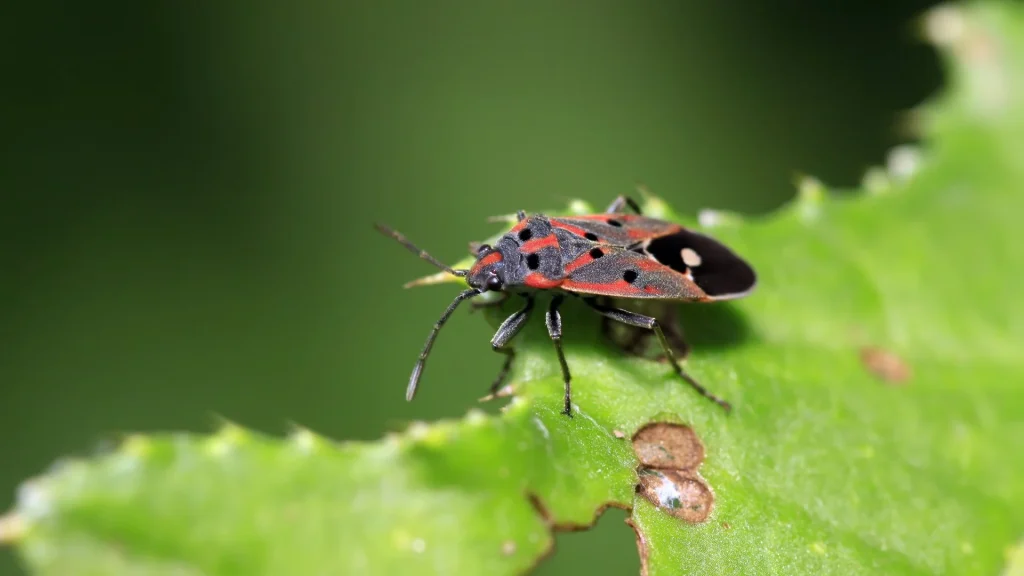
Next come chinch bugs. These are tiny sap-sucking insects. The adults are small, about 4 mm; dark; with white wings. Nymphs are often reddish or brown with white bands.
These lawn pests feed on grass sap. Their saliva stops grass from absorbing water, causing the grass to wilt, yellow, and then brown.
Signs of Chinch Bug Damage
- Irregular patches of yellowing or browning grass, often mistaken for drought damage
- Small, dark spots or patches that spread quickly
Treatment & Prevention
Try a “soapy water test” to identify these pests. To treat, maintain healthy lawn care and consider DIY pest control options. For larger infestations, insecticidal treatments or natural predators may help.
Sod Webworms
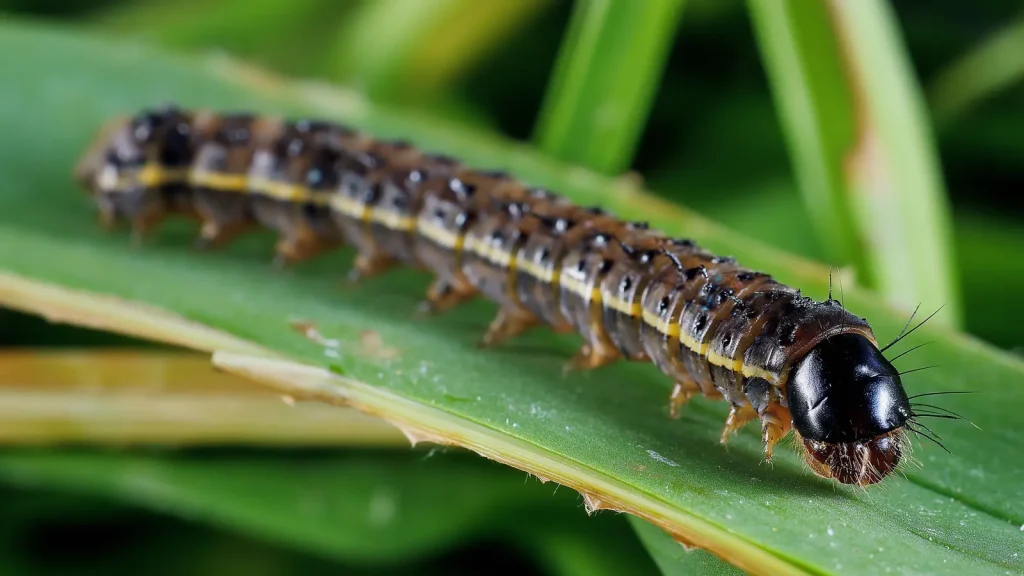
If you don’t know about these, sod webworms are the caterpillar larvae of a small moth. They hide in silken tunnels during the day and feed at night.
Signs
- Ragged, brown patches in your lawn
- Birds digging in the lawn trying to find the worms
Treatment & Prevention
Night-active pests like webworms can be tackled with targeted biological sprays or insecticides. Proper lawn maintenance can also reduce vulnerability.
Armyworms
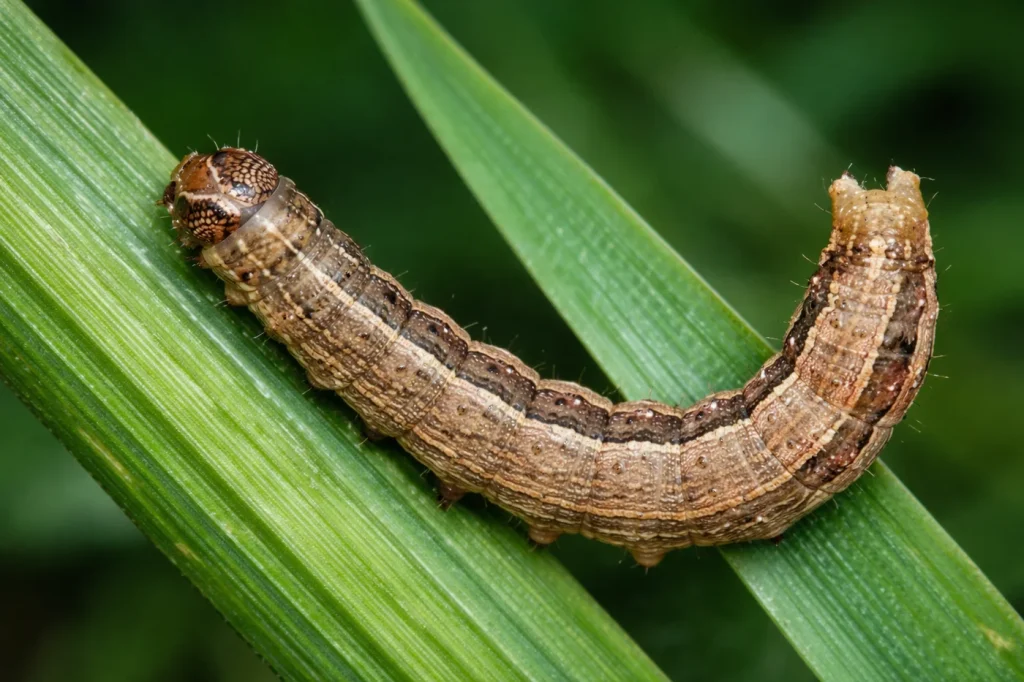
Armyworms are caterpillars that come out at night or early morning. These pests are often seen munching through your grass blades, leaving behind large bare spots.
Signs
- Large, irregular patches of bare grass
- The appearance of moving grass due to multiple worms feeding together
Treatment & Prevention
Early detection is key. Biological controls, like bacteria that target caterpillars, can help. For larger outbreaks, the best lawn pest control options might include insecticidal treatments.
Cutworms and Other Stem-Cutting Caterpillars
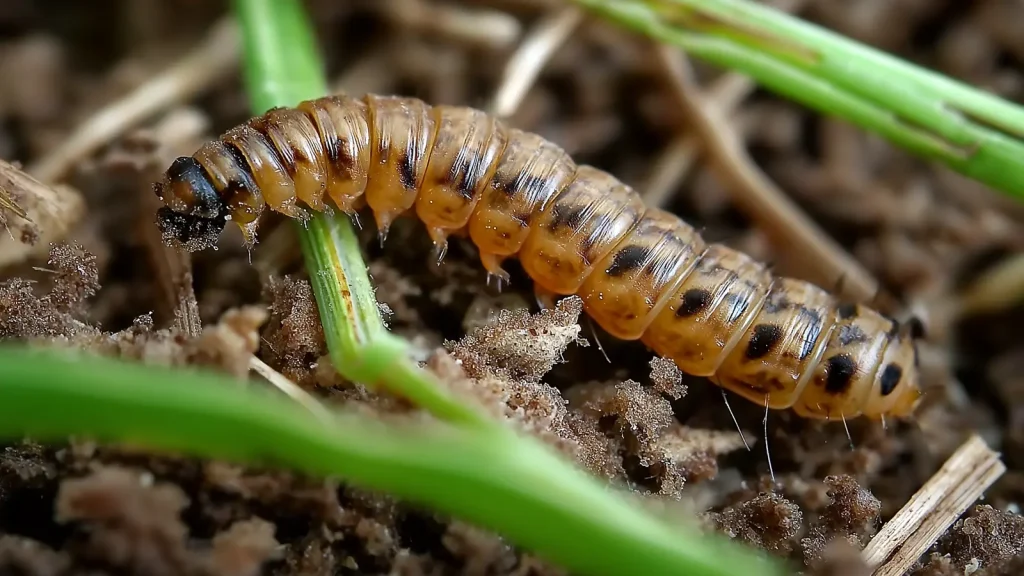
Cutworms are caterpillars that sever grass at the base, making it hard for the grass to regrow. They tend to feed during the night, hiding in soil or under debris.
Signs
- Small dead patches of grass often appear overnight
- Severed grass stems at the base, making it impossible for the grass to regrow
Treatment & Prevention
Good lawn maintenance habits, such as healthy mowing and soil care, can prevent cutworm attacks. When needed, targeted insecticides or biological treatments can be used.
Flea Beetles
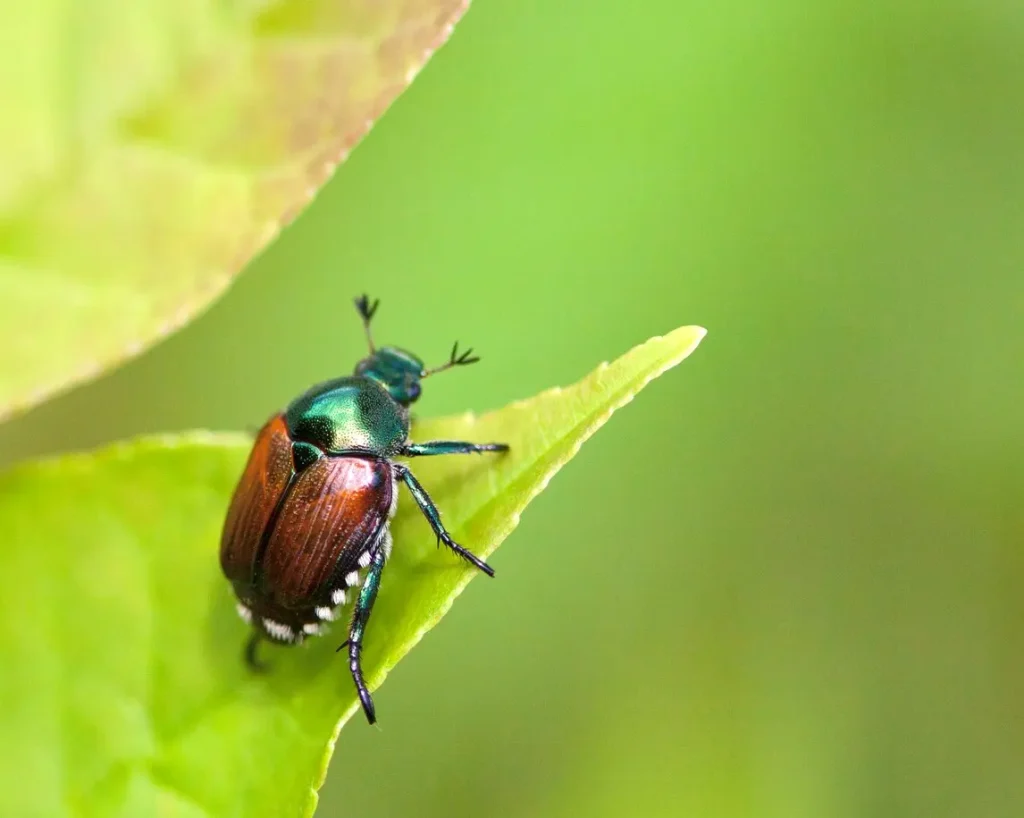
Well, flea beetles are small, jumping insects that feed on the leaves and stems of plants. They create tiny, round holes in the leaves, which can stunt grass and plant growth over time.
While these pests typically target garden plants, they can also affect the grasses in your lawn.
Signs
- Small, round holes in the grass blades
- Shotgun appearance on the grass as multiple tiny holes appear in patterns
Treatment & Prevention
Applying a lawn pest control product that targets these insects can be effective. You can also introduce beneficial insects like predatory beetles to help reduce flea beetle populations.
Maintaining healthy lawn care practices like proper watering and regular mowing can also reduce the impact of flea beetles.
A Few Extra Lawn Nemeses
Pest pressure doesn’t always come from just the big six. Depending on your region, you might deal with:
- Underground burrowers that disturb roots or soil structure
- Beetle or insect larvae feeding below ground or on stems
Tip: By improving soil health, mowing regularly, and ensuring proper aeration, you can reduce the likelihood of these pests.
Smart Lawn-Care Habits to Prevent Pests
- Water deeply but infrequently: Shallow watering encourages pests and weakens roots.
- Aerate, dethatch, and avoid soil compaction: Compacted soil attracts pests and makes your lawn weak.
- Mow at the right height: Cutting grass too short stresses it, allowing pests to move in.
- Regular monitoring: Walk your lawn regularly to check for signs of pest activity. Early detection is key to avoiding large infestations.
With these lawn and pest solutions in mind, you’ll make your turf less appealing to pests and more resilient. A healthy lawn is often the best defense against many common invaders.
Ready to make your lawn thrive with professional pest control? Contact BugLady for expert lawn pest control today and enjoy a healthy, pest-free lawn year-round.
Frequently Asked Questions
And here are some of the answers you might be looking for about common lawn pests.
How can I tell if my lawn problem is from pests, not drought or heat?
If patches are irregular, spread fast, and the grass lifts easily or shows signs of underground disturbance, pests may be the cause. Drought or heat damage usually appears more evenly across the lawn, while pest damage often looks patchy or spreads quickly.
When is the best time to apply treatments for lawn pests?
Late summer or early fall is ideal for root-feeding pests like grubs. For surface feeders such as armyworms, cutworms, and sod webworms, treat as soon as you notice damage or active feeding.
Are there natural or organic ways to control lawn pests?
Yes. Beneficial nematodes can target grubs naturally, and biological sprays can help with caterpillar pests. Insecticidal soaps may also help with some pests. Improving lawn health through proper watering, mowing, aeration, and soil care is one of the strongest natural defenses.
Will chemical lawn insecticides hurt the lawn or beneficial insects?
Chemical lawn insecticides can affect beneficial insects if misused or overused. Always follow label directions carefully, avoid spraying when pollinators are active, and consider spot treatments instead of blanket applications when possible.
Can consistent lawn care really prevent pest infestations?
Yes. A healthy lawn is often more resistant to pests. Proper watering, mowing, aeration, dethatching, and regular monitoring make your lawn less inviting to common lawn pests and help catch problems early.
Ending Remarks
In a nutshell, your lawn isn’t just a patch of grass; it’s a living ecosystem. And just like any ecosystem, it can fall prey to invaders if left unchecked.
But by learning to identify the types of lawn pests and staying on top of lawn pest management, you can keep your grass healthy and vibrant. With the right care, your lawn will stay lush, strong, and pest-free.