When you think of earwigs, what comes to mind? Creepy crawlers lurking in the dark? Pests ready to invade your garden? Most people spot an earwig and freeze. We get it. The reddish-brown body, the tiny pincers, and that creepy-crawly look can make anyone uneasy. But here’s the truth: earwigs are not always the villains they seem to be. In fact, the benefits of earwigs can surprise even seasoned gardeners. We like to look at the full picture. Some insects cause trouble. Others quietly help. Earwigs often do both.
That is what makes them so interesting. In the right place, and in the right numbers, they can support a healthier garden and a more balanced ecosystem.
What Earwigs Really Do?
Earwigs are nocturnal. They hide during the day and come out at night to feed. They love damp areas, leaf litter, mulch, and other shady hiding spots. That is why people often notice them near gardens, flower beds, and around doors and windows.
So, do earwigs have any benefits? Yes, they do.
They help in several ways:
- They eat soft-bodied pests like aphids and mites.
- They break down decaying plant material.
- They support the food chain by feeding birds and other wildlife.
- They help recycle nutrients back into the soil.
That is a big deal for gardeners who want a healthier yard without reaching for harsh sprays every time.
Why We Call Them Garden Helpers
Credit: naturallivingideas.com
Let’s be honest. Many people search for earwigs garden pest because they have seen damage on plants. That part is real. Earwigs can nibble on soft leaves, seedlings, flowers, and soft fruit. They may also leave small, ragged holes that look messy.
But that does not tell the whole story.
The benefits of earwigs show up when they eat pest insects first. They can help reduce populations of aphids, insect eggs, and other tiny troublemakers. In a garden full of life, that matters.
Here’s how they help:
- i. They act like tiny nighttime cleanup crews.
- ii. They work on pests that damage fruit trees and vegetables.
- iii. They help reduce the need for some chemical treatments.
That does not mean we should ignore them if they multiply too much. It just means we should understand their role before labeling them as bad.
Are Earwigs Pests or Beneficial?
This is one of the most common questions we hear: are earwigs pests or beneficial?
The best answer is: both, depending on the situation.
In small numbers, earwigs can be helpful. In large numbers, they can become a nuisance. That is especially true in gardens with lots of moisture, mulch, and shelter. If food is scarce, they may start feeding on tender plants and soft fruit like strawberries or other soft fruit crops.
So the benefits of earwigs are real, but balance matters.
We should think of them as part of the ecosystem, not as a simple yes-or-no pest.
What Attracts Earwigs?
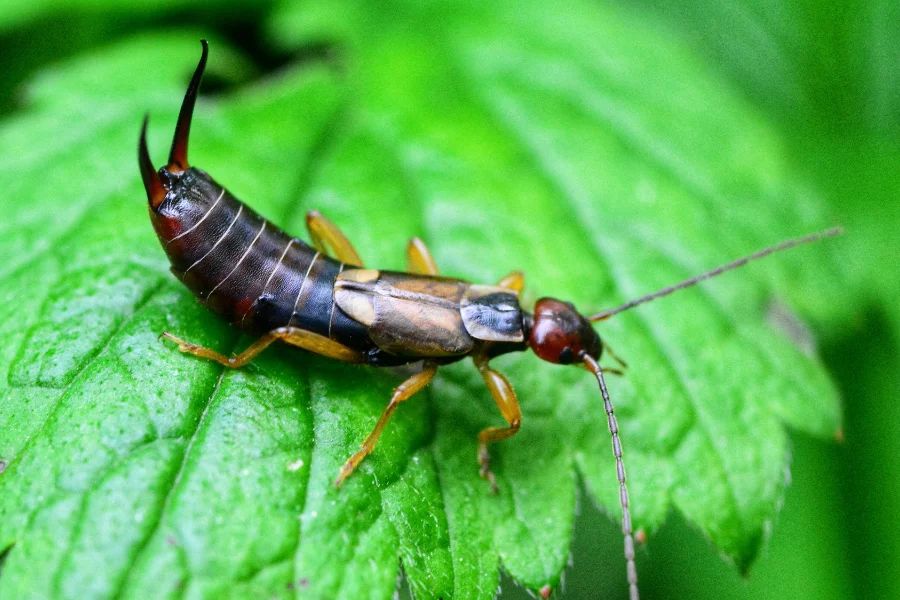
Credit: facilitypestcontrol.com
If you want to understand earwigs, start with what attracts them. Earwigs love:
- Damp areas
- Leaf litter
- Mulch piles
- Cracks near foundations
- Dark hiding spots
- Soft plant matter
- Outdoor clutter
They are also often attracted to lights at night, especially around patios and entry areas. That is why you may see them near porches or slip inside through entry points around doors and windows.
If you see earwigs in house, it usually means they found a path indoors and liked the moisture or shelter. They are not looking for trouble. They are looking for a place to hide.
Are Earwigs Dangerous or Harmful?
A lot of people panic when they see an earwigs in garden human ear search result or hear old stories about earwigs crawling into ears. That fear gets repeated a lot, but it is mostly overblown.
So, are earwigs dangerous? No, not in the way people usually mean.
And are earwigs harmful? Usually not to people.
They do not want to attack humans. They do not seek out human ears. The name may sound alarming, but they are far more interested in damp soil, decaying matter, and tiny insects. If they do pinch, it is usually mild and defensive.
Still, they can be annoying if they enter homes in large numbers or damage seedlings and tender plants.
The European Earwig and Its Habits
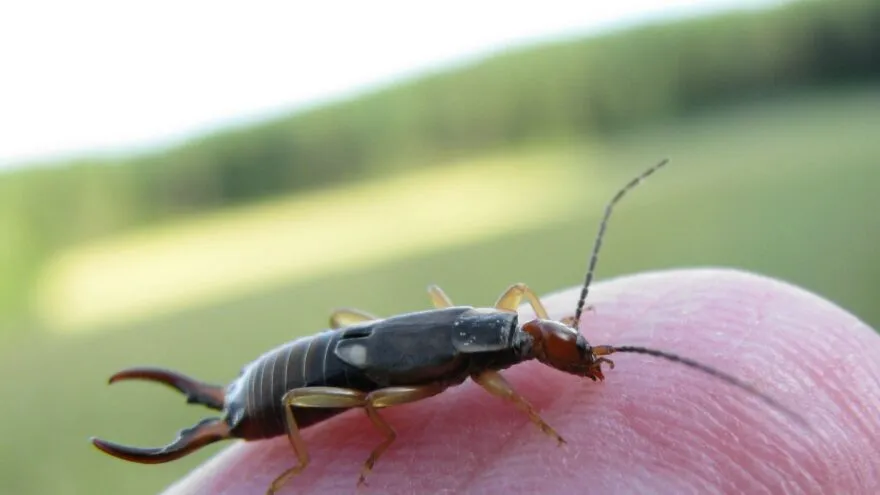
Credit: dominionpestcontrol.com
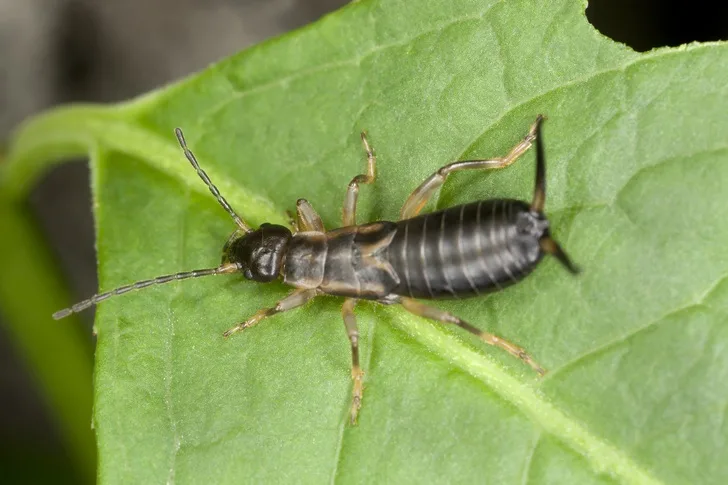
One species you may hear about often is the European earwig. It is one of the most common earwig species found in gardens. It is usually reddish brown, nocturnal, and active in shaded, moist spaces.
Young earwigs, or a baby earwig, look like smaller versions of the adults. They hatch from eggs and grow through several stages before becoming full adults.
Understanding the species helps us see the bigger picture. Many gardeners assume every earwig is a threat. That is not true. Some are just passing through. Others are doing useful work in the background.
When Earwigs Start Causing Trouble
Here is where things get practical. The benefits of earwigs are strongest when their population stays balanced. If the numbers climb, they can become a problem.
They may:
- Chew holes in leaves
- Feed on seedlings
- Damage flowers
- Nibble on soft fruit
- Leave signs of earwig damage in gardens
This is where careful control matters. We do not need to panic. We do need a plan.
How We Prevent Earwig Problems
If earwigs are entering your home or garden in large numbers, prevention is the smartest first step.
Here’s what helps:
a) Reduce moisture around the home.
b) Clear away leaf litter and clutter.
c) Seal cracks, gaps, and other entry points.
d) Check screens, vents, and openings near doors and windows.
e) Turn down outdoor lights when possible.
f) Keep mulch from building up too close to the foundation.
If we remove the shelter and moisture, earwigs usually become far less active around the house.
What If Earwigs Enter Homes?
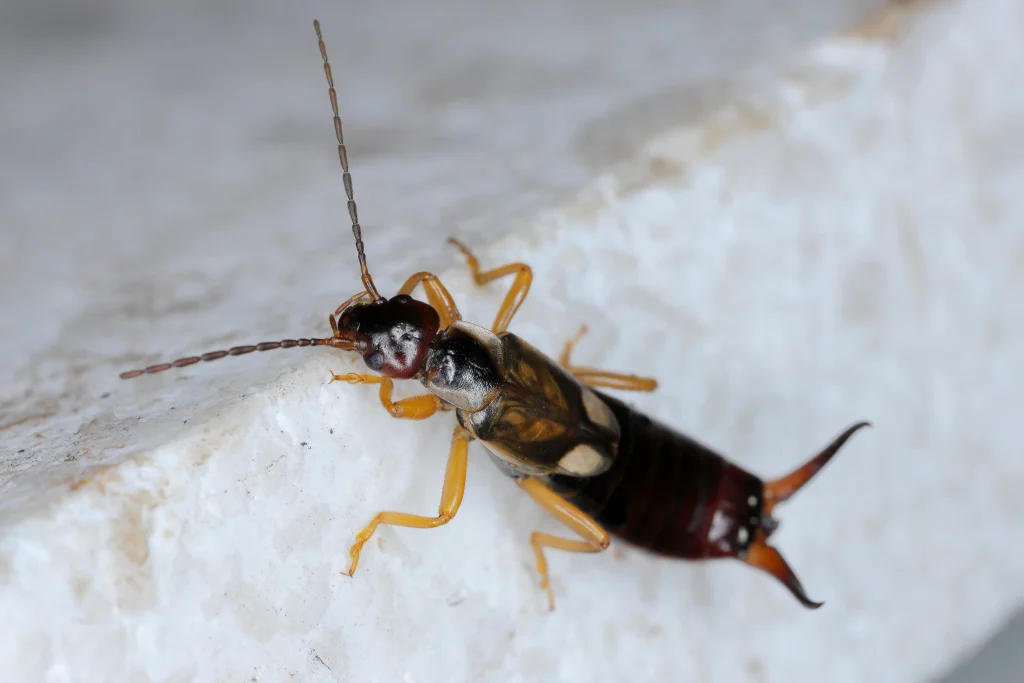
Credit: ecoguardpestmanagement.com
Sometimes people ask how to rid of earwigs once they start showing up indoors. The first step is not to spray wildly. It is to find out why they came in.
We should look for:
- Damp basements
- Wet laundry areas
- Cracks in walls
- Gaps near windows
- Openings around doors
- Sheltered spaces near foundations
Once you fix those, the problem usually improves. If the issue continues, a professional control service can help with targeted treatment.
Do Ultrasonic Pest Repellers Work on Earwigs?
Many homeowners ask, Do ultrasonic pest repellers work on earwigs?
The short answer is there is no strong evidence that they reliably solve an earwig problem. Earwigs hide in soil, mulch, and tight spaces. That makes them hard to manage with sound-based devices alone.
A better approach is still the basics:
- Remove moisture
- Clean up shelter
- Seal gaps
- Monitor activity
- Use proven pest control methods when needed
That is much more effective than hoping a gadget will do all the work.
What About Traps and Treatments?
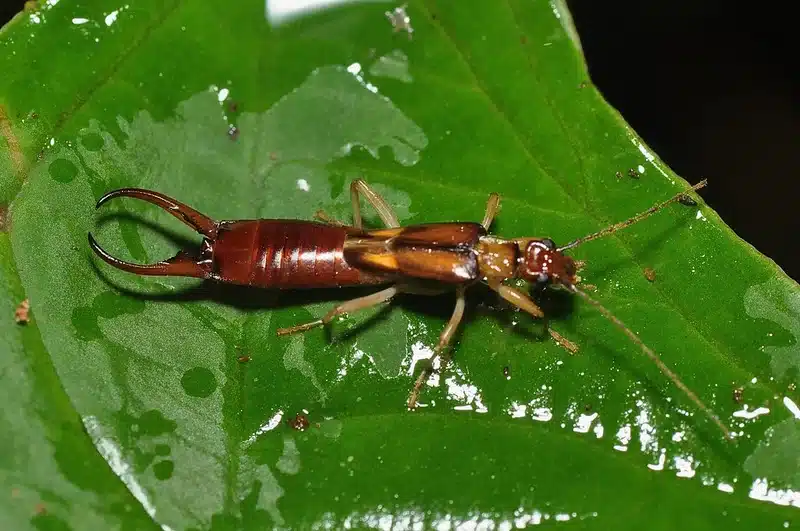
Credit: bettertermite.com
If earwig numbers rise too high, some people look for an earwig insect killer or ask how to kill earwigs fast. We understand the urge. But we always recommend using the least disruptive option first.
Some people try a simple homemade trap with vegetable oil, fish oil, or another baited container near hiding spots. Others use a professional product with an approved active ingredient designed for earwig control.
The key is to use the right method in the right place.
If you are dealing with ongoing pest pressure, professional pest control may be the best long-term answer.
Earwigs in the Bigger Ecosystem
This is where the real story comes alive. The benefits of earwigs go beyond a single plant or garden bed. They support the entire ecosystem in small but meaningful ways.
They help by:
- Eating pests before those pests spread
- Breaking down organic waste
- Feeding birds, toads, and other wildlife
- Keeping nature’s balance moving
That is why many gardeners learn to tolerate a few earwigs instead of trying to eliminate every one.
The goal is not perfection. The goal is balance.
How We Think About Earwig Control
We do not want to blindly destroy every insect we see. But we also do not want our seedlings, flowers, or home interior overrun.
That is why we focus on smart management and proper pest education. We protect the garden. We protect the house. And we respect the role insects play in nature.
Final Word
Summing up, the benefits of earwigs are real, and they are easy to miss if we only judge them by their appearance. They help control pests, recycle plant matter, and support the wider food web. At the same time, they can become a nuisance if they move indoors or feed too heavily on tender plants.
So, our advice is simple: do not rush to hate them. Watch them. Understand them. Manage them when needed. And remember that in many gardens, earwigs are not the enemy. They are part of the system.
FAQs
Got questions regarding earwigs? Let’s answer them here.
Are earwigs pests or beneficial?
Both. They are helpful in small numbers and annoying in large numbers.
How do we prevent earwigs?
Reduce damp areas, seal gaps, and clear clutter around the home.
Why shouldn’t you kill earwigs?
They help control other pests and contribute to decomposition, supporting garden health.
What is the old wives’ tale about earwigs?
The myth claims they crawl into people’s ears to lay eggs, but this is entirely false.
What do earwigs in your house mean?
It usually indicates excess moisture or clutter, providing them with ideal hiding spots.