You’ve seen them on Amazon. Maybe even in your local hardware store. Those little plug-in gadgets that promise to drive away rodents, cockroaches, and every creepy-crawly in your home, without chemicals, traps, or any effort at all. Sounds amazing, right? You plug it in. Wait a couple of weeks. And supposedly, your pest problem just… disappears. But here’s the honest truth: most ultrasonic pest control reviews won’t tell you: the science behind ultrasonic pest control devices is a lot shakier than the marketing.
So let’s dig in. Just a clear, honest breakdown of what these devices actually do, and whether they’re worth your money.
What Even Is Ultrasonic Pest Control?
An ultrasonic pest control device is a plug-in electronic unit designed to repel pests. These devices emit high-frequency sound waves, typically between 20 kHz – 65 kHz. That’s beyond what human ears can detect.
The idea behind ultrasonic pest repellent technology is simple. Those high-frequency sounds are deeply irritating to pests. They’re supposed to disrupt pest communication, navigation, and breeding. In some extreme cases, manufacturers claim the ultrasonic sounds cause audiogenic seizures, convulsions, disorientation, and even death in rodents and insects.
Basically, the pitch becomes so unbearable that pests pack their bags and leave your home.
That’s the theory behind electronic ultrasonic pest control. Clean. Simple. Chemical-free.
But does it actually hold up?
What Does the Science Actually Say?
Here’s where things get uncomfortable for electronic pest device manufacturers.
Most independent studies say, “Not really.”
The Federal Trade Commission (FTC) sent warning letters to over 60 manufacturers of ultrasonic pest control devices back in 2001. Their message was clear: your effectiveness claims need real scientific backing. By 2003, one company was actually sued for violating that warning.
That was over 20 years ago. The devices are still on shelves. Science hasn’t improved much.
A study from Kansas State University found that some ultrasonic repellers did repel crickets. But the same devices had little to no effect on cockroaches. Ants and spiders? Completely unbothered.
A 2021 study published in PMC tested nine ultrasonic pest control devices on ticks. The highest repellency rate recorded? Just 19.5%. That means more than 80% of ticks were unaffected, even in a confined lab setting.
Entomologist Bart Knols, in an interview with the BBC, put it bluntly: “No scientific evidence whatsoever has been found that ultrasonic sounds can repel mosquitoes.”
And researchers from Cornell University’s Integrated Pest Management program concluded: ultrasonic devices are “ultra-ineffective.” Their words, not ours.
So why do people swear by them? More on that in a moment.
The Habituation Problem: This Is the Big One
Even when ultrasonic sounds do initially affect pests, there’s another issue.
Pests adapt fast. It’s called habituation. A rodent hears a new, strange noise. It’s startled. It avoids the area for a few days. Then it realizes the sound wave poses zero physical threat. There’s no predator, no danger, just noise. Studies show that rodents typically habituate to ultrasonic pest control frequency within 3 to 10 days.
Think about it this way. You’ve probably moved somewhere near a busy road before. The traffic noise kept you up the first night. By the end of the week? You slept right through it.
Pests do the exact same thing.
And here’s the kicker: pest control experts have found rodent nests built directly next to active ultrasonic units. The mouse literally moved in next to the device and made it home. If food, warmth, and shelter are nearby, pests will tolerate whatever noise is in the room. Survival beats annoyance every single time.
The Dead Zone Problem: Sound Doesn’t Travel Like You Think
Here’s another thing the box doesn’t mention.
Ultrasonic sound waves cannot pass through walls, furniture, or solid objects. That means every couch, cabinet, wall, and appliance creates a “dead zone”; an area the high-frequency sound never reaches. Pests simply hang out on the other side of your bookshelf, completely unaffected.
Most ultrasonic repeller devices cover a maximum range of 20 to 30 feet in open air. In a real home full of furniture and walls?
That coverage shrinks dramatically.
To get meaningful coverage across even a small house, you’d need multiple units in every room. And even then, you’re working against the habituation problem we just covered.
The Placement Trap: Why Most People Fail Immediately
Here’s something manufacturers of most effective ultrasonic pest control devices don’t want you to know.
Device placement matters a lot. And most people get it wrong.
Ultrasonic sound waves travel in straight lines. They get absorbed by soft materials like curtains, carpets, and upholstered furniture. A device plugged behind a TV stand? Mostly useless.
Here’s what actually works (in theory):
-
Mount it high, ideally, 3–5 feet above the ground. Sound wave travel improves with elevation.
-
Keep it away from soft materials. Hard walls and open spaces work best. Carpeted rooms? Forget it.
-
Create a line of sight. The device needs a clear path to where pests are traveling.
-
Avoid corners. Sound bounces and creates dead zones in corners.
But even if you follow all this perfectly, you’re still fighting against habituation and the fact that pests can hide in walls where no high-frequency sound waves reach.
Many people blame themselves when ultrasonic pest control devices work fails. They think: “I must have placed it wrong.”
The truth? Even perfectly placed repellent devices fail because the technology itself is unreliable.
Why Ultrasonic Fails for Specific Pests
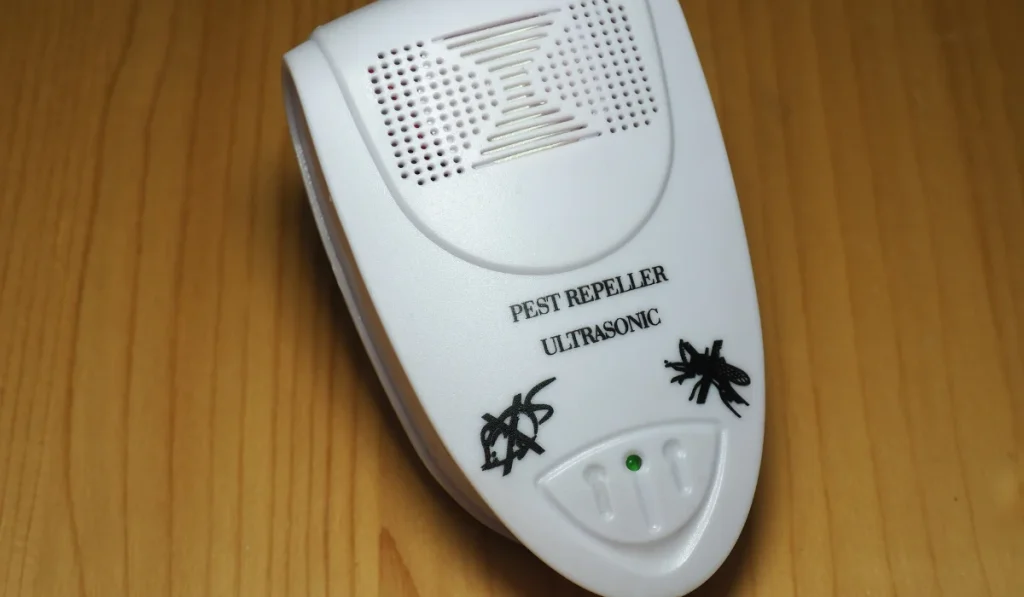
Electronic pest control fails for different reasons depending on the pest.
Ultrasonic Device for Cockroaches: Hide, Don’t Listen
Cockroaches are survivors. They’ve been around for 300 million years for a reason.
These insects live in cracks, crevices, and deep inside walls. Sound doesn’t reach them there. Even if it did, cockroaches rely on chemical signals and touch, not ultrasonic sounds, for communication.
Ultrasonic pest control for ants and other crawling insects faces similar problems. Crawling pests don’t respond to high-frequency sound the way flying insects theoretically might.
For Bed Bugs — Temperature Matters More Than Sound
Bed bug control is a common search. Yet ultrasonic pest control for bed bugs is largely ineffective.
Bed bugs are heat-seeking parasites. They locate you by warmth and body odor.
An ultrasonic device on your nightstand doesn’t disrupt those signals. Bed bugs will crawl right past it to feed. Studies have found devices ineffective against bed bugs in real-world settings.
Ultrasonic Bat Deterrent and Control: Birds and Flying Pests
People often search for “ultrasonic bat repelling” and “bat deterrent” solutions. Unfortunately, bat control using ultrasonic devices has mixed results.
Some bat species may initially react to high-frequency sounds, but repelling bats isn’t guaranteed with these devices. Bats rely on echolocation, which uses similar frequencies to what ultrasonic repellents emit. Some bats may adapt, while others ignore the noise entirely.
Ultrasonic pest control for pigeons and other birds faces similar challenges. Bird hearing varies by species, and ultrasonic sounds may not affect all varieties equally.
Rodents: They Adapt, Then Return
Rats and mice have excellent hearing extending into ultrasonic ranges. But that’s their advantage; they’re smart enough to realize the noise isn’t a threat.
Within days, they’re back. Worse, they may eventually breed next to the device, treating it as background noise.
Impact on Your Pets: A Hidden Cost
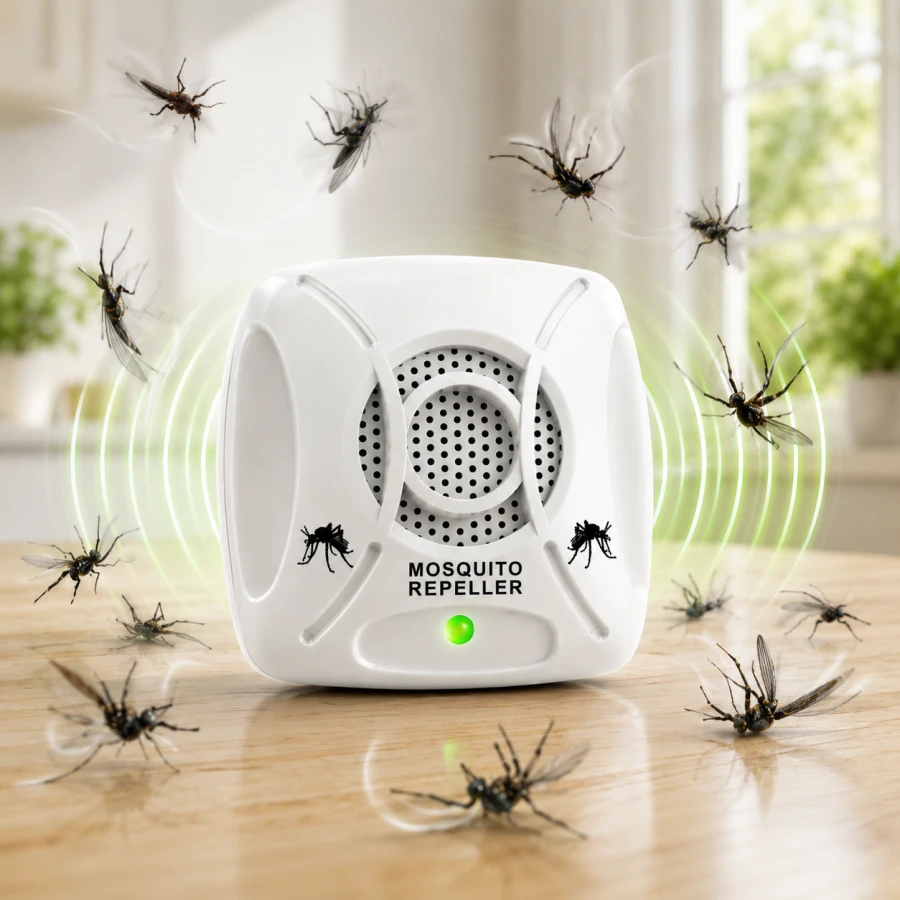
Here’s something most product listings gloss over. If you have pets, ultrasonic devices can be problematic.
Ultrasonic Pest Control for Dogs: Generally Safe
Ultrasonic pest control for dogs is generally considered safe. Dogs have hearing ranges that overlap with ultrasonic frequency ranges, but most devices operate at levels that don’t severely distress them.
Monitor your pet’s behavior. If they seem anxious, move the device.
Ultrasonic Pest Control for Cats: Monitor Closely
Ultrasonic pest control for cats presents a similar situation. Cats are sensitive to high frequencies, but most commercial devices are tolerable.
Watch for signs of stress. If your cat seems uncomfortable, discontinue use.
Small Pets: At Risk
Rabbits, guinea pigs, hamsters, and gerbils have hearing ranges that extend well into ultrasonic frequencies. For these animals, these devices aren’t just annoying — they can cause real stress.
Signs of distress include:
-
Excessive hiding
-
Loss of appetite
-
Aggression or unusual behavior
-
Lethargy or depression
If you have small pets, ultrasonic devices are not recommended.
Birds: Potentially Harmful
Some bird species can hear ultrasonic frequencies. Continuous exposure can stress them. If you keep birds, avoid these devices entirely.
Pros of Ultrasonic Pest Repellers (Yes, There Are Some)
To be fair, these ultrasonic pest repellent devices aren’t entirely without merit. Here’s where they do have something going for them:
-
No toxic chemicals. Safe around kids and most adults. No residue. No fumes.
-
Completely hands-free. Plug it in and forget it. Zero maintenance required.
-
Humane approach. No traps. No killing. Just (theoretically) discouraging pests.
-
Affordable upfront. Most units cost between $15–$50. That’s cheaper than professional pest control services.
-
Safe for humans. The sound wave frequencies are entirely inaudible to people.
-
May cause an initial reaction. Some pests do show short-term behavioral changes when first exposed to these electronic pest devices. So it’s not completely useless — it’s just not reliable.
-
Easy installation. No special tools or expertise needed.
Cons of Ultrasonic Pest Repellers (The Honest List)
Now for the other side:
-
Pests habituate within days. The effect is short-lived at best.
-
Sound doesn’t penetrate walls or furniture. Dead zones everywhere.
-
Little to no effect on insects. Cockroaches, ants, mosquitoes, and bed bugs are largely unaffected.
-
FTC has flagged misleading claims. Many manufacturers’ promises aren’t backed by evidence.
-
Can interfere with other devices. May disrupt hearing aids, security systems, and mobile call clarity.
-
Harmful to some household pets. Rabbits, guinea pigs, hamsters, and gerbils can be stressed or harmed by high-frequency exposure.
-
Some devices exceed OSHA limits. Certain units emit sound waves at levels that technically exceed human tolerance thresholds — even if you can’t consciously hear them.
-
Doesn’t address root causes. No device will fix a pest infestation if you’re leaving food out, have cracks in your walls, or have moisture issues in your home.
-
Requires perfect placement. Even an “ideal” setup often fails.
-
False sense of security. People delay real action while pest infestation grows.
Professional Pest Control vs. Ultrasonic Devices — The Real Comparison
Let’s be honest about your actual options:
|
Factor |
Ultrasonic Devices |
Professional Pest Control |
|
Upfront Cost |
$15–$50 per device |
$150–$500+ for initial treatment |
|
Monthly Cost |
Minimal (electricity only) |
$50–$150+ depending on service |
|
Speed of Results |
2–4 weeks (often no results) |
1–2 weeks (visible improvement) |
|
Scientific Evidence |
Weak/nonexistent |
Strong/proven |
|
Effectiveness Rate |
5–20% (if any) |
90%+ elimination |
|
Habituation |
Occurs within 3–10 days |
Not applicable |
|
Coverage |
20–30 feet (with dead zones) |
Entire home/property |
|
Addresses Root Causes |
No |
Yes (inspection + sealing) |
|
Long-term Protection |
Minimal |
Ongoing with maintenance plans |
|
Safety for Pets |
Risk for small pets |
Generally safe with precautions |
|
Time to Install |
5 minutes |
1–2 hours |
The bottom line?
Ultrasonic devices might save $100 upfront. But a professional pest control service will actually solve your problem, saving you thousands in property damage and health risks down the line.
So, Who Are These Devices Actually For?
Here’s an honest answer.
If you have a mild pest concern, occasional insects, a mouse spotted once or twice, an ultrasonic pest repellent might give you some peace of mind. They won’t hurt you. They’re cheap. And the placebo effect of doing something about pests is real.
But if you have an actual pest infestation? These devices will not solve your problem. They may even delay you from taking action that actually works, giving pests time to multiply.
The better play is always to focus on root causes:
-
Seal entry points. Cracks, gaps around pipes, broken screens.
-
Eliminate food sources. Covered trash cans, cleaned counters, and sealed pantry items.
-
Reduce moisture. Fix leaky pipes. Ventilate crawl spaces.
-
Declutter. Less clutter means fewer hiding spots.
-
Call a professional if the pest infestation is beyond DIY territory.
These steps will always outperform an ultrasonic repeller. Every time.
Frequently Asked Questions
Let’s answer a few of your queries!
Does ultrasonic pest control actually work?
In short, not reliably. Some pests may react initially, but most adapt within 3 to 10 days. Independent studies and the FTC have both raised serious doubts about the claims that ultrasonic pest control devices work.
Which pests do ultrasonic repellers have any effect on?
There’s limited, short-term evidence for some effect on certain rodents and crickets. Ultrasonic pest control for ants, cockroaches, bed bugs, mosquitoes, and spiders is largely unaffected. Even rodents eventually adapt and return. Ultrasonic pest control for pigeons and bat control options show similarly poor results.
Are ultrasonic pest repellers safe for pets?
They’re generally safe for dogs and cats. However, small pets like rabbits, guinea pigs, hamsters, and gerbils can be significantly stressed or harmed by high-frequency sounds. If you have small pets, avoid these devices.
Can I use ultrasonic repellers alongside other pest control methods?
Yes. If you want to use an ultrasonic pest repellent, treat it as a supplement, not a replacement. Focus primarily on sealing entry points, cleaning food sources, and using proven pest control methods like traps, baits, or professional services.
Why do ultrasonic pest repellers have so many positive reviews online?
Several reasons. The placebo effect is powerful. Pest infestation problems often resolve on their own seasonally. Many buyers don’t realize their pest infestation continued undetected, just in hidden areas. And some reviews are incentivized by sellers. Online reviews don’t equal scientific proof.