Picture this: Your lawn is thriving. The grass is thick, green, and picture-perfect. Then one morning, you step outside and everything changes. Brown patches appear overnight. The grass peels back like a cheap carpet. Raccoons and skunks are tearing up your yard like it’s an all-you-can-eat buffet. Here’s the frustrating part: the real damage started weeks ago, hidden beneath the soil where you couldn’t see it. Tiny grub eggs were silently hatching, and now you’re facing a full-blown lawn crisis.
We’ve seen this nightmare play out hundreds of times. But here’s the good news: it doesn’t have to happen to you. In this guide, we’re pulling back the soil and showing you exactly what grub eggs look like, how the life cycle unfolds, and most importantly, how we stop them dead in their tracks before they transform your lush lawn into a patchy disaster.
Let’s dig in.
What Grub Eggs Look Like
If you have ever wondered what do grub eggs look like, here is the simple answer: they are tiny, round, and pale white or cream-colored. They usually sit in the top layer of grub eggs in soil, close to grass roots.
They are easy to miss because they blend in so well. But once you know where to look, the signs become clearer.
- They are very small and bead-like
- They often appear in loose, moist soil
- They are usually found in areas where adult beetles lay eggs
- They may be present in both grub eggs in grass and open lawn spots
We often tell homeowners that if the soil feels soft and stays damp, it can become a perfect spot for egg laying.
Do Grubs Lay Eggs?
Credit: experigreen.com
A common question we hear is, “Do grubs lay eggs?” Technically, adult beetles are the ones that lay eggs, not the grubs themselves. Once the adult beetles become active, they move into turf and soil to start the next round.
That is why we watch for adult activity during warm months. Species like scarab beetles, european chafers, and masked chafers can all contribute to a lawn grub problem.
When conditions are right, they find moist ground, settle in, and begin the cycle again.
The Grub Life Cycle Explained
The life cycle of these pests is simple, but it causes a lot of damage. Here is how it works.
a) Egg stage (June–August)
Adult beetles lay eggs in the soil during warm weather. This is when the problem begins, even if you cannot see it yet. A single female can lay up to 60 eggs in her lifetime, and they settle into moist soil waiting to hatch.
b) Larval stage (August–October)
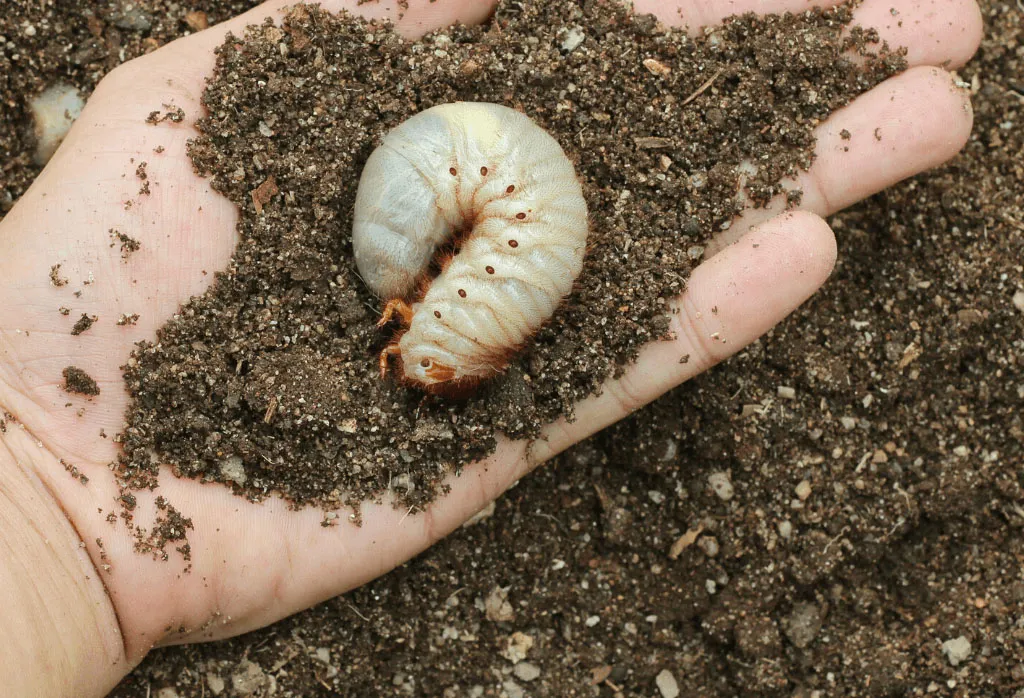
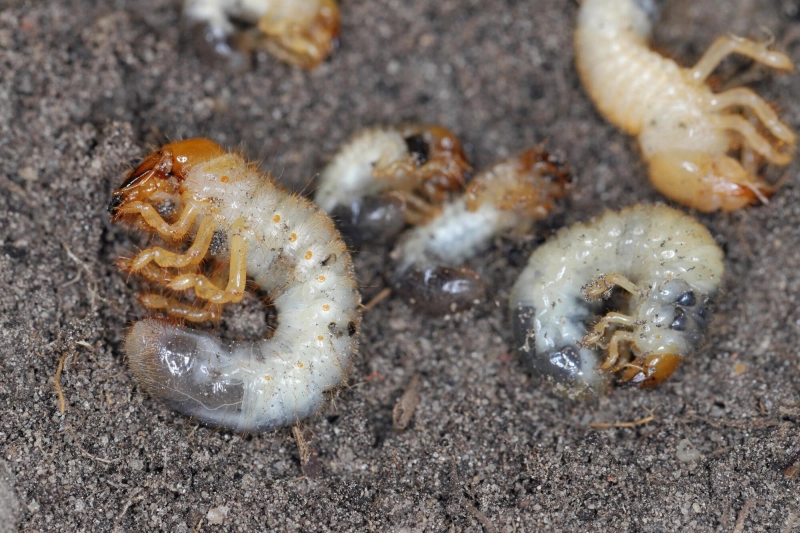
After egg hatching, tiny beetle larvae emerge. This is the stage where damage starts. These young white grubs are small at first, but they grow fast.
They have:
- Creamy white bodies
- Soft curved shapes
- Distinct brown heads
- Small legs near the front
This is the stage when grubs feed on grass roots. As they feed, they weaken the turf from below.
c) Mature grubs (Fall–Winter)
As the larvae grow, they become mature grubs. By this point, the feeding becomes more aggressive. Roots get cut. Water movement drops. Grass starts to fail.
d) Adult beetles (Spring–Early Summer)
Later, the grubs transform into adult beetles, and the cycle starts again. The adults do not stay underground forever. They emerge, feed, mate, and lay eggs for the next generation.
That is why grub control is not just about one season. It is about breaking the cycle.
When Do Grub Eggs Hatch?
Credit: robertsturf.com.au
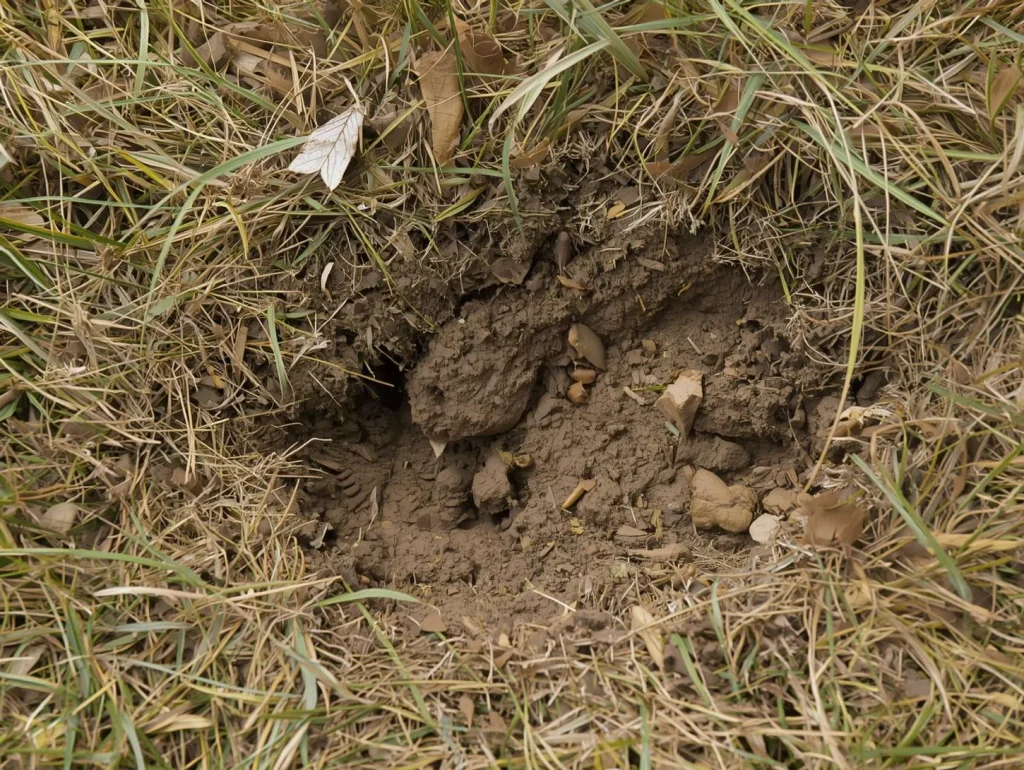
Another question we hear all the time is, “When do grub eggs hatch?” In most cases, they hatch in about 10 to 14 days, depending on warmth and moisture.
Warm, damp soil speeds things up. That means summer lawns with regular irrigation can become very attractive to egg-laying beetles.
If we catch this early, we can often stop the next stage before it becomes a major problem.
Signs of a Grub Infestation
A grub infestation usually shows up in the lawn before people ever see the pests themselves.
Look for these warning signs:
- Brown, irregular patches that keep spreading
- Grass that feels spongy or lifts easily
- Birds, skunks, or raccoons digging in the yard
- Thin turf that does not recover well
- Root loss under damaged areas
If you notice grub damage, the roots are likely already being eaten. That is why early inspection matters so much.
Sometimes homeowners search for ants eating grub worm eggs because they notice ant activity in the soil. While ants may move through the same areas, the bigger concern is still the beetles and the larvae below ground.
Where We Find Grub Eggs and Grubs
Credit: epiclawncareky.com
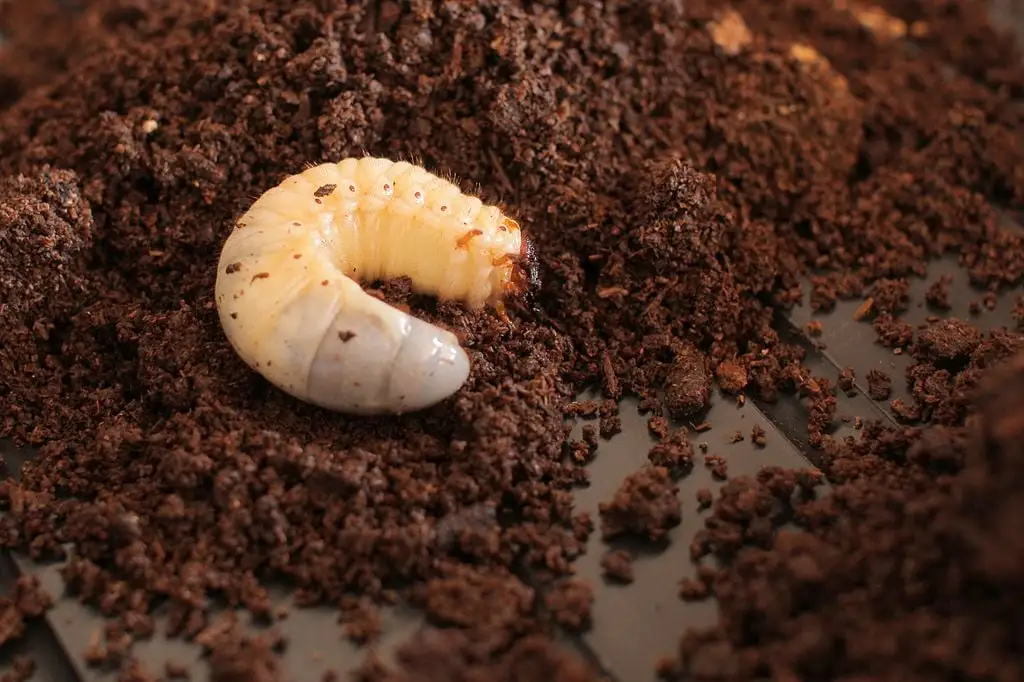
We most often see grub eggs in soil where the ground stays moist and the turf is thick. Beetles look for protected areas where their eggs will survive.
Common problem zones include:
- Irrigated lawns
- Dense turf near garden beds
- Sunny patches with soft soil
- Lawns that stay wet too long
We also see a stronger risk in areas where grub populations have built up year after year. If adults keep returning, the turf keeps suffering.
How We Control Grub Eggs and Grubs
The best grub pest control depends on timing. Once the larvae are active, we need to act quickly.
Preventive Control (Late Spring to Early Summer)
Preventive treatments work best before the eggs hatch. This is where active ingredients matter. The right product, applied at the right time, can help stop the next wave before it starts.
Some options may include:
a) Preventive lawn treatments
Applied in June–July when beetles are actively laying eggs.
b) Soil-applied insecticides
These create a barrier in the soil before egg hatching occurs.
c) Seasonal applications
Timed perfectly to intercept the life cycle at its weakest point.
Curative Control (Late Summer to Early Fall)
Credit: agrigem.co.uk
If we already see damage, we may need stronger chemical controls aimed at active larvae. These treatments work best when grubs are still near the surface and feeding.
Our team at BugLady knows exactly when to strike. We monitor grub populations and grub population trends so we can recommend the perfect timing for your lawn.
Organic Support
For some lawns, we may also use milky spore or other biological tools. These can help reduce certain grub species over time, especially when part of a longer-term plan.
No matter the method, timing is everything.
Why Grub Eggs Lead to Lawn Trouble
A lawn with healthy roots can tolerate a little stress. But once grubs start feeding, the turf loses its support. Then the lawn thins out, dries faster, and breaks down.
This is where the trouble grows:
- Roots get damaged: Grubs feed aggressively on the underground network your grass depends on.
- Water uptake drops: Without healthy roots, even a well-watered lawn starts to struggle.
- Grass weakens: The turf becomes thin and patchy, losing its ability to compete with weeds.
- Animals dig for food: Once wildlife knows there are grubs below, the digging gets worse.
- The lawn looks tired: Brown spots, bare patches, and overall decline become impossible to ignore.
That is the point where a small underground issue becomes a visible grub problem that demands immediate attention.
How We Help Stop Beetle Damage Early
Credit: agrobiotop.com
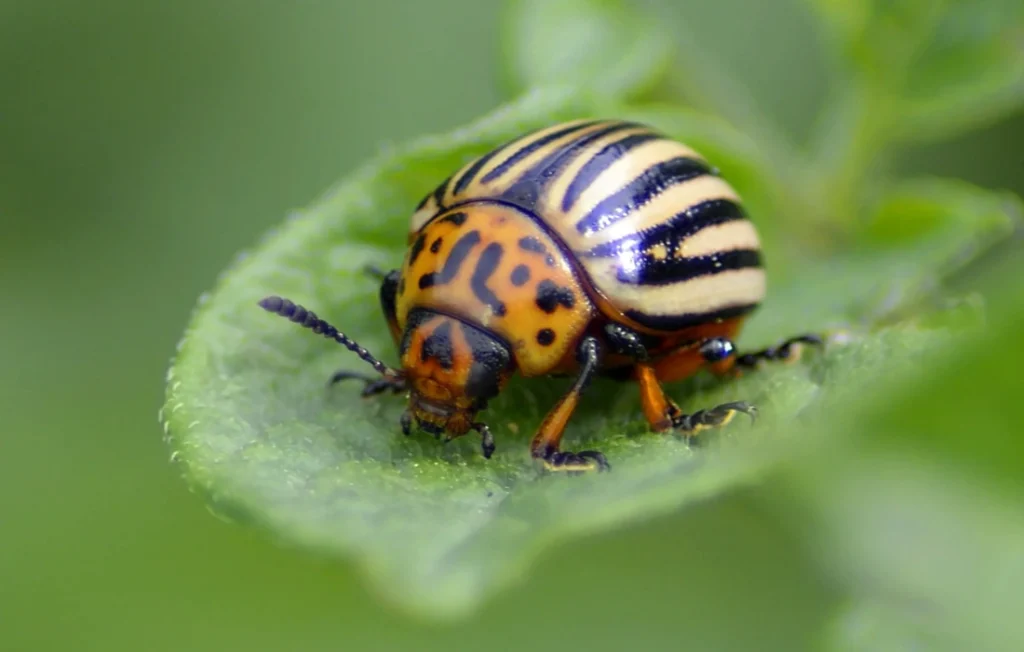
We recommend paying attention when adult beetles are active. That is the best time to prevent the next round of grub eggs.
The key is understanding that prevention is always cheaper and easier than cure. If you want to understand more about beetle-related lawn issues, you can also read our pest page on beetle pest control.
Both resources walk you through what we see in the field and how we solve it.
Quick Lawn Tips We Recommend
We have learned what works and what doesn’t. Here are our top recommendations:
- Water only as needed: Overwatering attracts beetles and creates the moist soil they love.
- Avoid excessive irrigation in summer: This is peak egg-laying season, so dry soil discourages beetles.
- Keep an eye on brown patches: Early detection changes everything.
- Check damaged turf early: The turf peel test reveals grub counts fast.
- Treat before larvae get too large: Young grubs are much easier to control than mature ones.
A little prevention goes a long way. Once grubs mature, they are harder to manage and more likely to leave visible grub damage behind.
Bottom Line
Wrapping up, we believe the best lawn protection starts underground. Grub eggs may be tiny, but they can lead to major turf loss if we ignore them. The good news is that with early detection, smart timing, and the right control plan, we can stop the cycle before it spreads.
If your lawn is showing signs of stress, now is the time to check for grub activity. The sooner we act, the easier it is to protect the turf you have worked hard to grow.
Your lawn deserves protection. Let us help you keep it green.
FAQ’s
Got a burning question about these underground invaders? Here is a quick look at the most frequently asked questions we hear from homeowners.
What do grub eggs look like?
They are tiny, round, and white or cream-colored, about the size of a small BB pellet and found in the top 2–3 inches of soil.
Do grubs lay eggs?
No. Adult beetles lay eggs. Grubs are the larval stage, not the egg-laying stage.
When do grub eggs hatch?
Usually in about 10 to 14 days, depending on soil temperature and moisture levels.
Are grub eggs in grass or soil?
They are usually in the soil, close to the grass roots, in the top 2–3 inches below the surface.
What is the best way to stop grub eggs?
Use preventive treatment in late spring/early summer before egg hatch occurs. Timing is critical; applying the right active ingredients at the right moment stops the life cycle before larvae can cause major grub damage.