Have you ever noticed a half-eaten or rotten bed in your room and wondered how it happened? That kind of damage does not appear overnight. If wood in your home is breaking down for no clear reason, there is a strong chance termites are already at work. This is exactly how damage from termites begins—quietly, inside the wood, long before most homeowners realize anything is wrong. When a termite attack reaches your living space, it means the problem has moved beyond hidden corners. It is no longer just a pest issue. It is now a real threat to your home’s structure. Want to know more? Let’s talk about it!
Types of Termites
We know that termites are meant to damage your belongnings but they do not behave the same way. Each species targets different parts of a home and causes damage in different patterns. Understanding the type you are dealing with helps identify signs of termites early and reduce damage from termites.
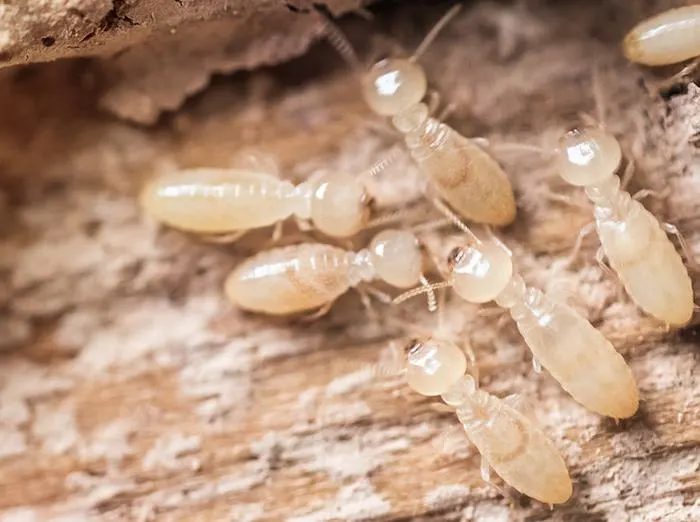
Subterranean Termites
Credit: millerthekiller.com
These termites live in soil and travel into homes through mud tubes. They usually attack the lowest parts of a structure first, which is why they are responsible for the most severe infestations.
Key traits include:
- They live underground and depend on moisture.
- These termites build protective mud tubes along foundations and walls.
- Such termites feed on support beams, joists, and framing.
- They commonly cause foundation damage from termites when left untreated.
These termites are drawn to moisture. Leaky pipes, poor drainage, and damp crawl spaces easily attract termites. Once inside, they spread quickly and quietly.
Drywood Termites
Credit: hitechtermite.com
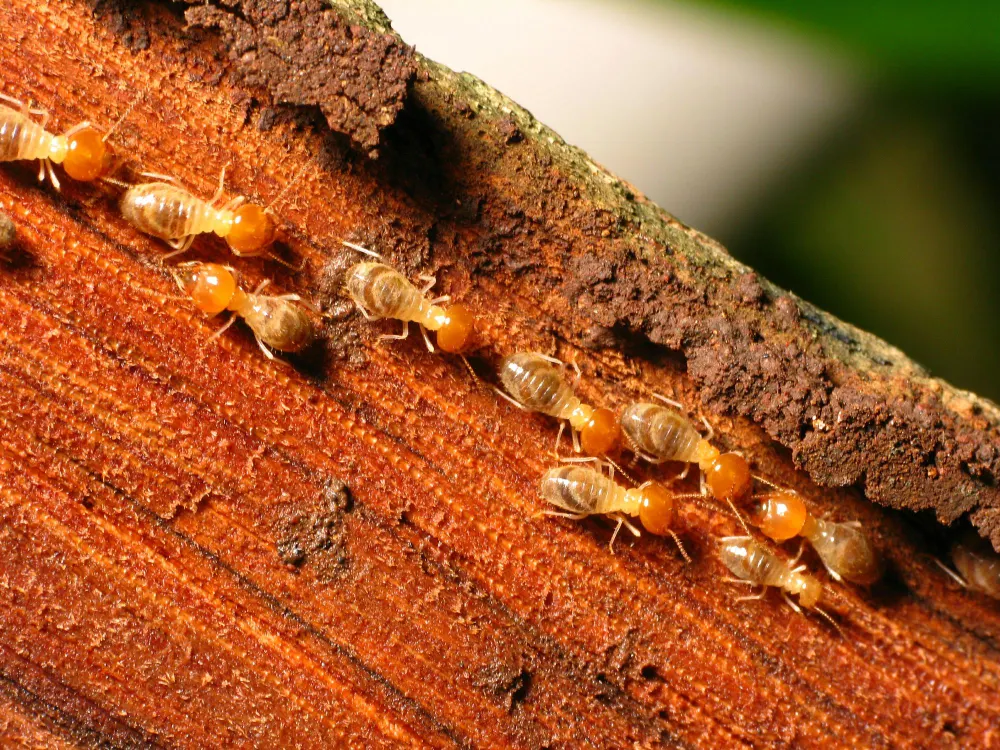
A drywood termite lives directly inside the wood it eats. These termites do not need soil contact, which makes them especially difficult to detect. They are often found in attics, furniture, trim, and wall framing.
Common characteristics include:
- They live inside dry, solid wood.
- Drywood termites push out waste material known as termite droppings.
- They cause significant wood damage from termites inside walls and furniture.
- These termites can remain hidden while slowly expanding their colonies.
Because they live entirely inside wood, infestations often go unnoticed until signs of termite damage become visible on the surface.
Dampwood Termites
Credit: pest-ex.com.au
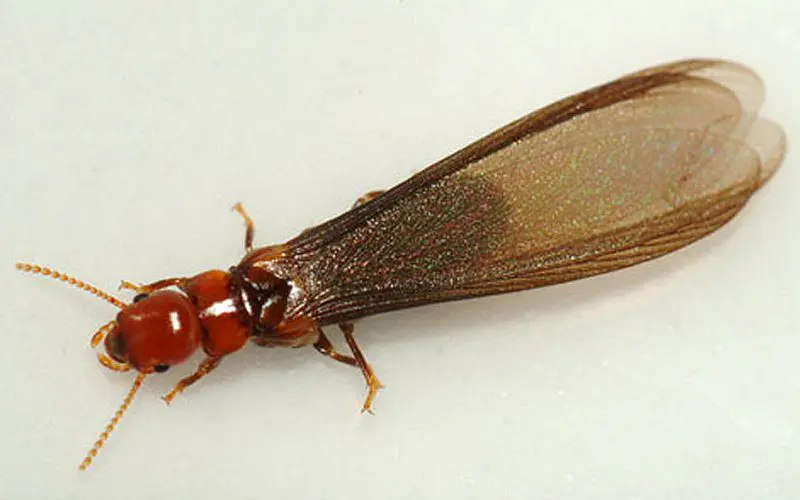
Dampwood termites prefer wood that already has moisture or decay. They are commonly found near plumbing leaks, roof damage, or poorly ventilated spaces.
Typical signs include:
- Activity near basements, crawl spaces, and leaking roofs.
- Damage in damp or water-damaged wood.
- Contribution to ceiling damage from termites when moisture spreads upward.
Although they are less common in dry, well-maintained homes, moisture problems can allow these termites to establish quickly.
All species share one thing in common. Termites feed continuously. Over time, even small infestations lead to major structural weakening.
How Does Termite Damage Look Like?
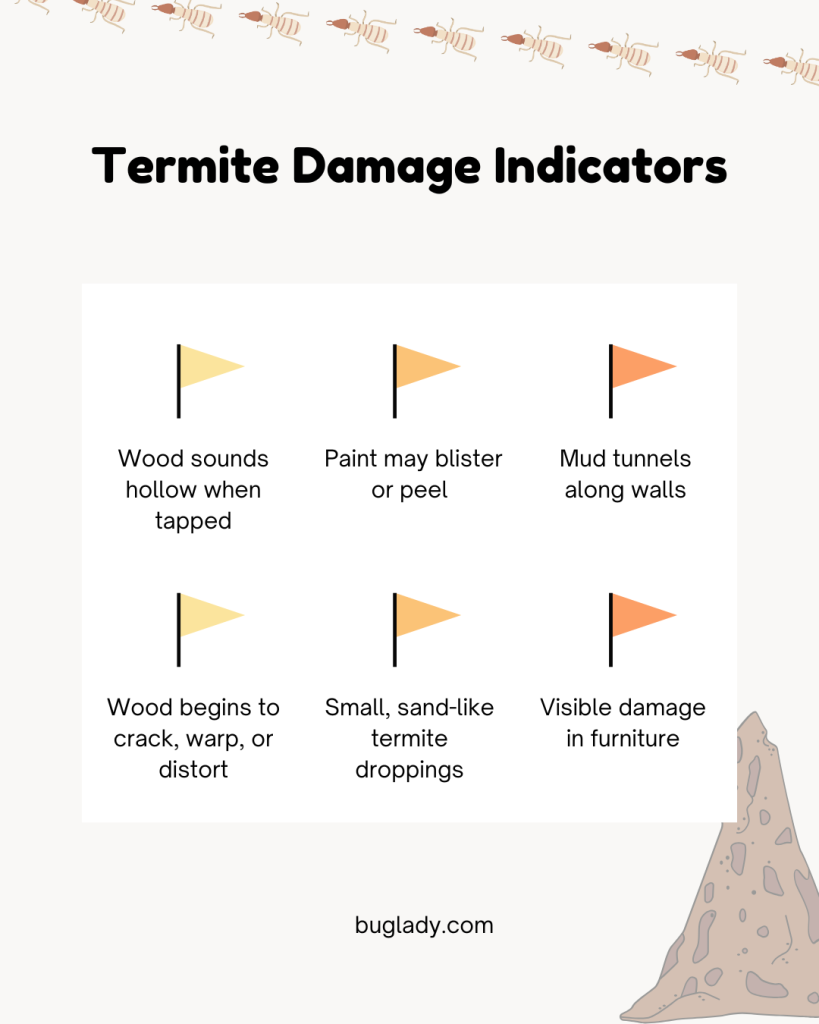
Homeowners often ask, what does termite damage look like. The challenge is that termites eat from the inside out. The surface may appear normal while the interior is already compromised.
Here are the most reliable signs of termite damage.
Hollow or Weak Wood
Tap on a beam, door frame, or wooden panel. If you hear a hollow sound, termites may have eaten the interior, leaving only a thin outer layer.
Bubbling or Peeling Paint
This is often mistaken for water damage. However, internal termite activity can change moisture levels inside wood, causing paint to blister or separate from the surface.
Mud Tubes
Mud tubes on walls, foundations, or crawl spaces almost always indicate an active infestation. These tunnels allow termites to travel safely between their nest and food source.
Crumbling or Soft Wood
Wood that feels spongy, cracks easily, or breaks apart may already be structurally compromised.
Pellet Piles
Drywood termites push waste material out of tiny holes. These termite droppings collect below windowsills, furniture, or baseboards and are a strong sign of activity.
If you are unsure, professionals can provide termite damage photos, pictures of termite damage, and on-site evaluations for confirmation. This is where we come in. At Buglady, we provide professional pest and termite control services to make your home pest-free.
Types of Termite Damage
Credit: mapfreinsurance.com
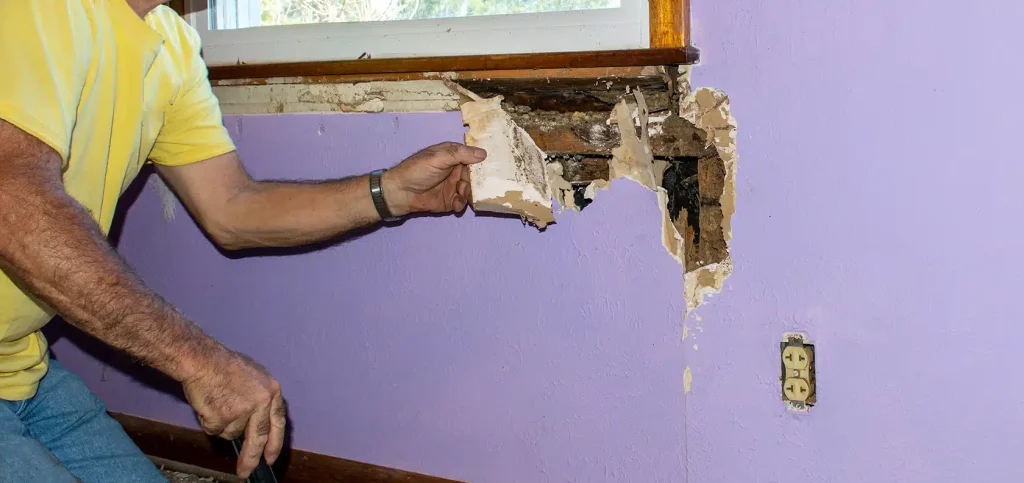
Damage from termites affects homes in several ways, often spreading from hidden structural areas to visible surfaces.
Structural Damage
This is the most dangerous form of damage. Termites attack beams, joists, studs, and framing. Over time, this leads to sagging floors, warped walls, and shifting door frames. This is often how foundation damage from termites begins.
Cosmetic Damage
Cosmetic damage affects surfaces such as trim, flooring, cabinets, and paint. While it may seem minor, it often indicates deeper structural problems behind the surface.
Furniture Damage
Drywood termites commonly infest furniture, shelving, and cabinets. They hollow out pieces from the inside, often making repairs impractical.
Electrical Damage
In rare cases, termites chew through wire insulation. This increases fire risk and can disrupt electrical systems, making repairs more complicated.
Without treatment, termite damage to a house continues to spread steadily.
Termite Damage in Drywall
Credit: terminix.com
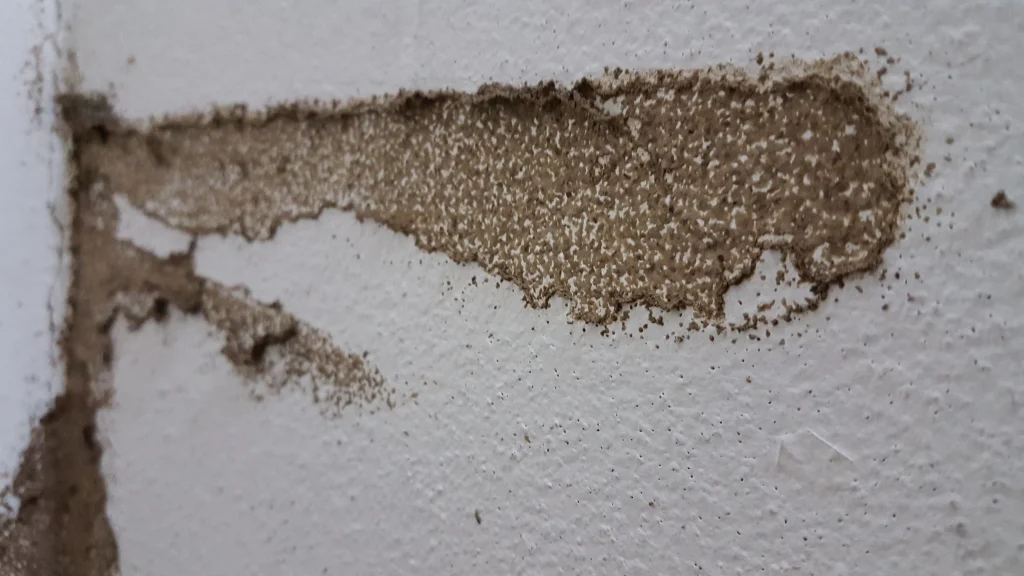
So, the deal is termites do not eat drywall, but they destroy the wooden framing behind it. This makes drywall one of the most deceptive areas of infestation.
Pinholes
Small exit holes may appear where termites push out waste. These are often mistaken for normal wall imperfections.
Warping or Buckling
As studs weaken, walls may bow or become uneven.
Cracks
Structural movement caused by termite damage can create cracks around doors, windows, and corners.
Soft Spots
If a wall feels hollow or weak when pressed, framing behind it may be severely damaged.
Hidden wall damage often requires inspection by a professional termite specialist.
Repair Solutions
Credit: uprighttermiteca.com
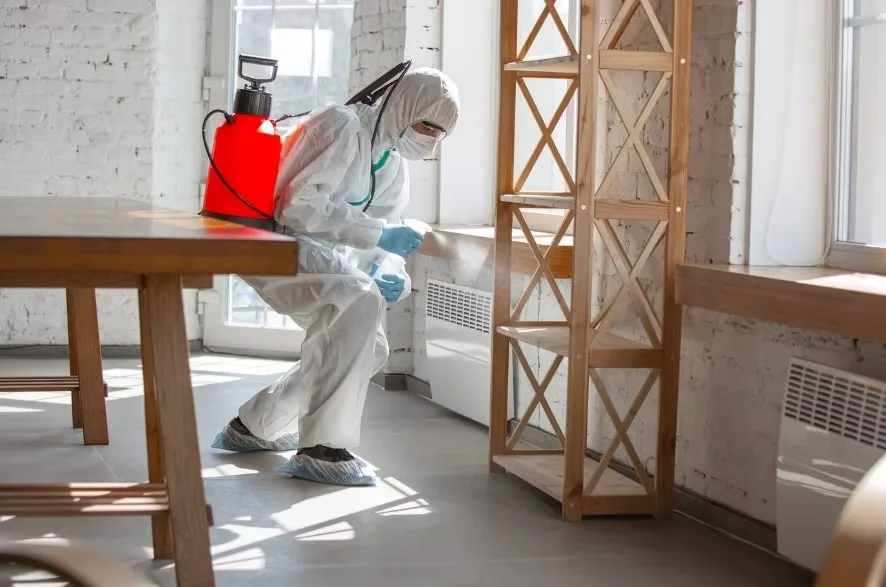
Repairing termite damage requires a systematic approach. Fixing surface issues alone does not solve the underlying problem.
Step 1: Eliminate the Termites
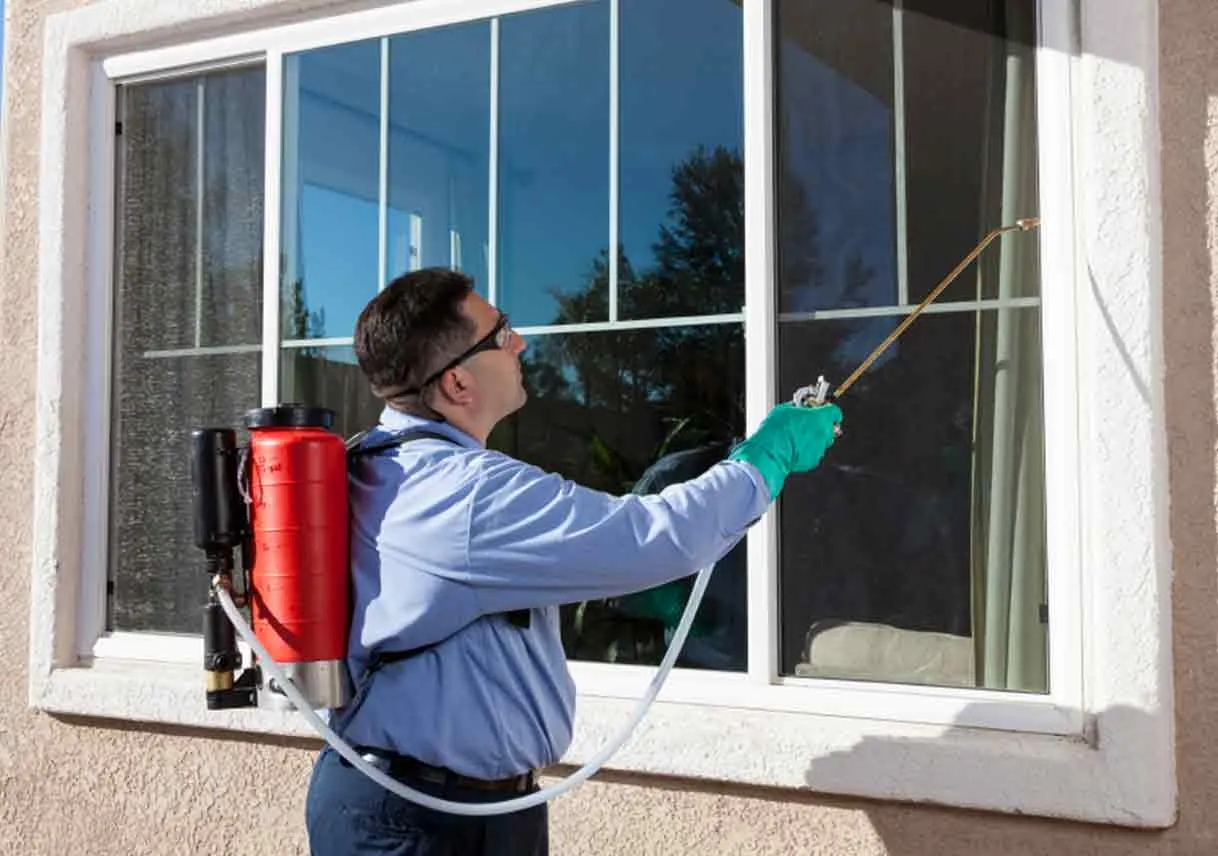
Before repairs begin, a pest control professional must stop the infestation. Treatments may include liquid barriers, bait systems, or fumigation. Many companies offer a free inspection to determine the scope of the problem.
Step 2: Assess the Damage
Contractors evaluate framing, flooring, and structural components. They determine what must be replaced and how best to repair termite damage from inside or outside the home.
Step 3: Structural Repairs
Damaged studs, beams, and joists are removed and replaced. Temporary supports may be installed during repairs to maintain stability.
Step 4: Cosmetic Repairs
Once the structure is secure, drywall, flooring, and trim are repaired. Paint and finishes restore the home’s appearance.
Step 5: Prevention Measures
Barriers, treated materials, and monitoring systems are added for long-term termite control.
Many homeowners ask about the termite damage repair cost. Costs depend on severity, but early detection can significantly reduce expenses. Trusted termite damage repair services provide detailed estimates after inspection.
Protect Your Home from Termites
Preventing termites is far easier than repairing damage. These steps help prevent termites and reduce long-term risk.
Control Moisture
Fix leaks quickly and improve drainage. Moist environments strongly attract termites.
Reduce Wood-to-Soil Contact
Use concrete or metal barriers where wood meets soil to limit access to framing and foundations.
Store Firewood Properly
Keep firewood elevated and away from the house. Woodpiles near walls invite infestations.
Seal Entry Points
Seal cracks in foundations and gaps around pipes or siding.
Schedule Inspections
Annual inspections by pest control professionals help detect early activity. Ongoing termite control programs reduce the risk of reinfestation.
These actions help protect your home and provide lasting peace of mind.
Ending Remarks
It all boils down to the fact that damage from termites is silent, progressive, and often hidden until it becomes severe. These insects work continuously, weakening your home from the inside. The good news is that you can identify pests, repair, and prevent termite damage before it becomes severe. With professional treatment, proper repairs, and proactive maintenance, homeowners can protect their property long-term.
If you notice hollow wood, peeling paint, cracks, or mud tubes, do not ignore them. These are clear signs of termites.
Your home is a major investment. Protecting it today can save you from major repairs tomorrow.
Frequently Asked Questions
Here’s what you need to know about damage from termites and repair solutions.
How serious is the damage from termites?
Very serious. Damage from termites weakens framing and can compromise the safety of a home if left untreated.
Can termite damage be repaired?
Yes. After treatment, professionals can restore both structure and appearance using reliable termite damage repair services.
How long does it take for termites to cause damage?
Noticeable damage can occur within months. Termites feed continuously once established.
Will home insurance cover termite damage?
Most policies do not cover it. Many insurers do not consider it a covered peril, meaning it is usually not covered by insurance. Always check your policy.
How can I tell if termites are still active?
Fresh mud tubes, new pellet piles, and continued wood damage indicate active infestation. A professional inspection is the most accurate way to confirm.