Picture this. You sit on your couch. You watch your favorite show. The house feels peaceful. Suddenly, a dark, oval shape scurries across the living room wall. Gross, but manageable, right? You grab a rolled-up magazine. Take a deep breath. You step closer to handle the situation. Then, the absolute unthinkable happens. It stops running. Opens a pair of hidden wings. It launches into the air. Straight at your face. All of us have seen grown, fearless adults scream and run from the room during this exact scenario. Let me tell you, nothing triggers pure, unfiltered panic quite like a flying roach. We hear these dramatic horror stories almost every single day. People call us in a frantic state. They want answers immediately. They want peace of mind. Most importantly, they want the bugs gone yesterday. Flying roaches definitely are a nightmare fuel. Let me explain why they fly and how to reclaim your home.
The Horror of the Giant Flying Roach
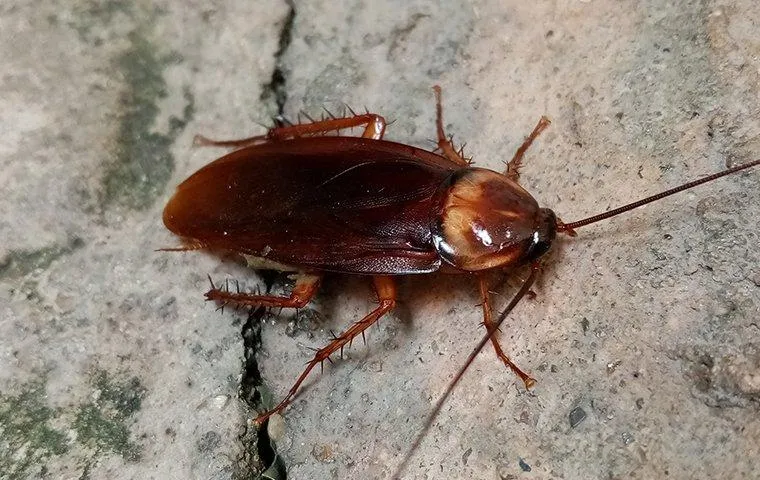
Have you ever met a giant flying roach? If you live in the Southern United States or near any heavily humid areas, you probably know this beast intimately. Locals often lovingly (or fearfully) call them “Palmetto bugs.” But let’s be entirely real for a second. That is just a fancy, polite name for a massive American cockroach.
When this oversized pest takes flight, it commands the room. Here’s exactly what makes them so terrifying:
- Sounds like a tiny helicopter – That erratic whirring noise will haunt your nightmares
- Bumps blindly into walls – They crash into everything, completely disoriented
- Dive-bombs your hair – Your worst fear realized in split seconds
- Causes absolute chaos – One insect turns your peaceful home into a war zone
Why does a single flying roach incite so much visceral fear? Because it breaks the unwritten rules of nature. Roaches should stay on the floor. We accept them as crawling pests. When they take to the skies, we instantly lose our home-field advantage.
Cockroaches are attracted to light, and they often fly towards it. This makes them more likely to get into your home at night when lights are on, including oriental cockroaches and Australian cockroaches, which are notorious for seeking out bright spots.
We completely understand the panic you feel. But knowledge remains your greatest weapon. Let’s conquer that fear together with some cold, hard, scientific facts.
The Big Question: Can Roaches Fly?
Credit: totalpestcontrol.co.nz
Let us clear the air right now. Can roaches fly? Yes, they absolutely can, but probably not in the majestic way you imagine. They do not soar gracefully like birds. They do not hover with precision like bees.
Instead, their flight looks much more like a clumsy, desperate, uncoordinated glide. They use their wings to fall with style. Usually, a roach climbs to a high vantage point, like the top of a cabinet or a high curtain. It opens its wings. Leaps. It glides downward to escape sudden danger. Sometimes, it just wants to reach a warmer spot in the room.
They heavily lack the strong wing muscles required for sustained, upward flight. Heat also plays a massive role. Roaches require very warm temperatures to generate the energy needed to fly. So, if one flutters directly at your face, it probably just missed its intended landing zone. It does not want to attack you. It just happens to be a genuinely terrible pilot.
Wait… Do All Roaches Fly?
After a close encounter, you might nervously wonder, do all roaches fly? Thankfully, We can give you some excellent news. The answer is a massive, resounding NO. Mother Nature kindly spared us that ultimate nightmare.
If you want to know exactly what type of roaches fly, we need to look at specific species. Let me break it down for you using my simple, favorite a-b-c method to keep things clear:
a) The American Cockroach: This is the big, intimidating guy. They possess fully developed wings extending past their abdomens. Glide exceptionally long distances. They thrive in warm, highly humid weather.
b) The Smokybrown Cockroach: These dark mahogany guys strongly prefer the outdoors. They fly remarkably well compared to others. You will often see them flying erratically around your bright porch lights late at night.
c) The Wood Cockroach: These represent the actual strong flyers of the roach family. However, they strictly prefer to stay outside in wooded areas. They rarely invade human homes on purpose.
What about the notorious German cockroach? You find these small pests in kitchens and bathrooms. They possess wings, but they absolutely cannot fly. They just run incredibly fast. Therefore, if you spot a roach flying in your living room, it most likely wandered inside from the great outdoors.
Where Do Flying Roaches Come From?
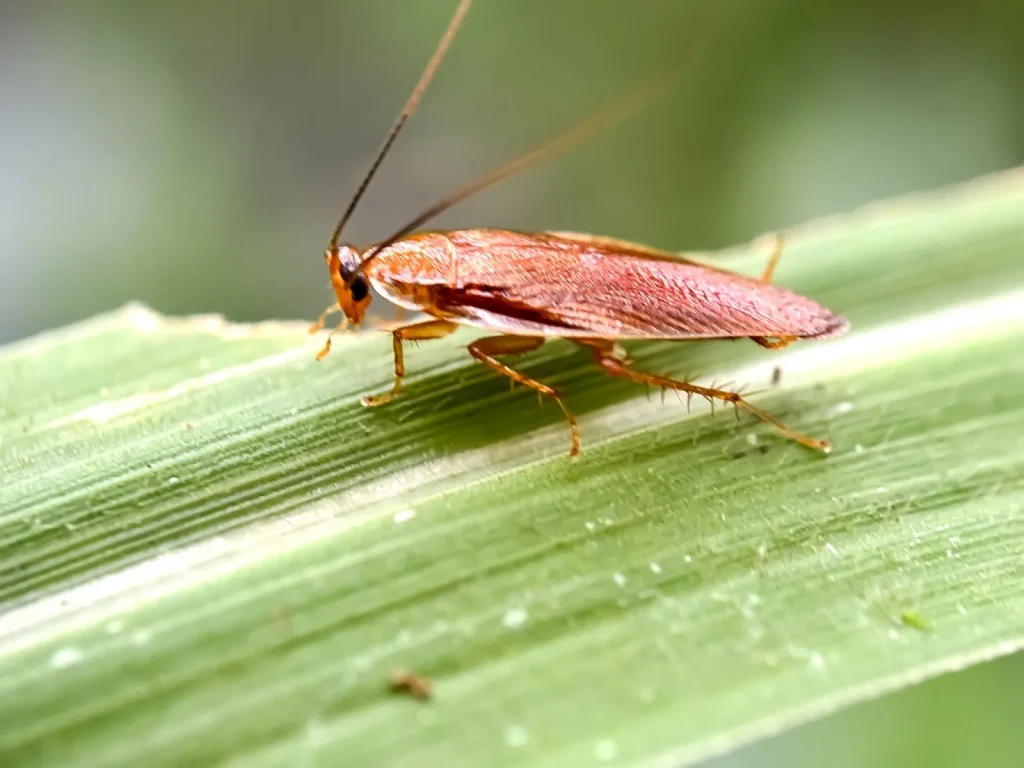
Credit: hofferpest.com
You spot the winged intruder. You grab the strongest bug spray you own. Then you stop and frantically ask yourself: where do flying roaches come from?
They do not magically appear out of thin air. They travel purposefully. Their search for food, water, and shelter. is common Here are the most common entry points they exploit in your home:
- Open Windows and Doors: A slightly torn window screen or a door left ajar invites instant trouble.
- Cracks and Crevices: They easily squeeze through unbelievably tiny gaps in your home’s foundation or siding.
- Plumbing and Drains: They aggressively seek moisture. They will literally crawl up your pipes and emerge from your drains looking for a drink.
- Cardboard Boxes and Firewood: Sometimes, you act as the delivery service. You carry them inside without even realizing it.
These resilient pests love damp, dark, undisturbed places. Heavy rain often forces them inside to escape drowning. Interestingly, their preferred hiding spots look nearly identical to the habitats of other creepy crawlies. If you ever wonder why you find certain bugs lurking in your damp basement, you should definitely read our detailed breakdown on millipedes vs centipedes. Pests frequently share similar tastes in residential real estate!
Why Do They Fly Directly At Me? (It’s Not Personal)
We hear this desperate question all the time from traumatized clients. “Why did that flying roach intentionally attack my face?” Let me reassure you immediately. They do not plot against you, Hold no personal vendetta. They are not out for human blood.
Here reveals the scientific truth: they navigate their environment using light. When you flip on a lamp, open your phone in a dark room, or turn on the television, they instinctively head toward that illumination.
Sometimes, the light reflects sharply off your eyeglasses. Sometimes, it reflects off the natural oils on your face. The roach gets totally confused. It blindly glides toward the brightest light source it sees and inevitably crashes into you. It constitutes a terrifying, highly unfortunate accident. We promise you, they feel just as terrified as you do in that exact moment.
Taking Action: Can Pest Control Get Rid of Roaches?
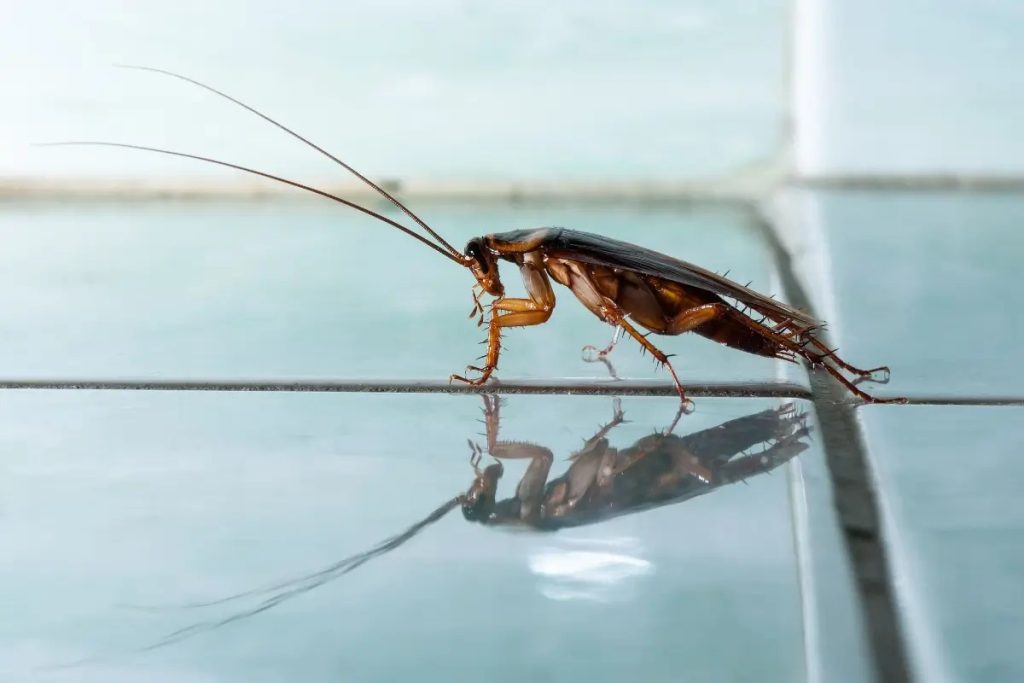
Credit: petrispestcontrol.com
You bought the over-the-counter sprays, Set the sticky traps.
You kept the kitchen spotless. Yet, they still appear. Can pest control get rid of roaches? Absolutely, yes. Professional intervention is the most effective, permanent way to reclaim your home, we eliminate every flying roach hiding in your walls.
Skip wasting money on useless gimmicks like ultrasonic devices (science proves they fail, roaches adapt and breed anyway).
Instead, choose proven results:
- Target hidden nests where sprays can’t reach.
- Seal sneaky entry points for good.
- Apply pro-grade treatments unavailable at stores.
Explore our top residential pest control services, we handle the dirty work so you can relax in peace.
Let’s Talk Money: Roach Pest Control Cost
We completely know what you are thinking right now. “This sounds amazing, but it probably costs a fortune.” You eagerly want to know, how much does pest control cost for roaches?
We believe in total transparency. The final answer heavily depends on your unique situation. A minor, early-stage problem naturally costs less to fix. A full-blown, deeply rooted infestation requires more resources and naturally costs more. Key factors include the total square footage of your home, the specific species of roach, and the overall severity of the hidden nests.
Generally speaking, the initial roach pest control cost covers a massive, deep, comprehensive treatment plan. We aggressively flush the pests out. We set up strong, lasting chemical barriers around your property. After we establish control, we highly recommend setting up an affordable, regular maintenance plan.
Think of this expense as a crucial investment in your home. You literally buy peace of mind. You buy a home absolutely free from unwanted flying guests. Ignoring the problem always costs significantly more money in the long run. Roaches multiply incredibly fast. Paying a small, reasonable fee today entirely prevents a massive, expensive structural headache tomorrow.
Final Word
Summing up, nobody wants uninvited aerial invaders ruining their evenings, but the good news? You’re in complete control. Keep your home dry, seal those drafty windows, and ditch the porch lights when summer humidity peaks. When things spiral, professional pest control swoops in to save the day. Ready for year-round protection? Clear skies and clean floors ahead!
FAQs
Time to answer some of your questions regarding the flying roach nightmare.
Do flying roaches bite humans?
No, they rarely bite. Their mouthparts cannot easily pierce human skin. They prefer to eat decaying matter, crumbs, and trash, not you.
Are flying roaches a sign of a dirty house?
Not necessarily. While crumbs attract them, flying roaches usually wander indoors looking for water or escaping extreme outdoor weather conditions.
Will keeping the lights on keep flying roaches away?
Actually, the opposite is true! Many flying roach species actively fly toward light sources. Keeping lights off helps deter them from entering your windows.
How long does a flying roach live?
An adult American cockroach (the most common flying roach) can live for over a year under the right warm and humid conditions.
Does squishing a flying roach attract more roaches?
Yes. Squishing them releases a strong chemical odor called oleic acid. This specific scent can attract other roaches to the area to investigate. Always clean the area thoroughly if you squish one!