Here’s something that’s wrong with almost every piece of advice about sawfly larvae control: People assume they’re caterpillars. That one mistake ruins everything. Because the spray that kills caterpillars won’t touch sawfly larvae. The techniques that work for one don’t work for the other. And that’s why so many gardeners spend weeks fighting a battle they can’t win. But here’s the reality. Sawfly larvae aren’t mysterious. They’re not impossible to control. You just need to know what actually works. Let me show you how to get rid of sawfly larvae effectively and why everything you’ve tried so far probably failed.
What Are Sawfly Larvae, Exactly?
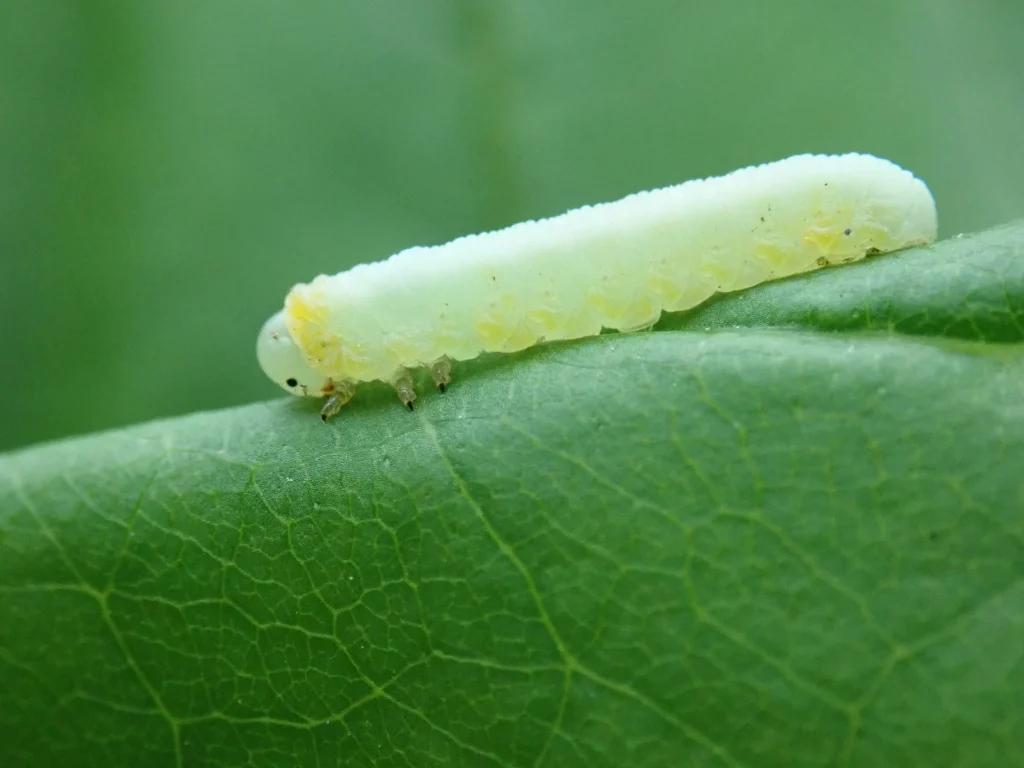
Credit: yardandgarden.extension.iastate.edu
Sawflies are small, wasp-like insects. But don’t let that fool you. The adults are mostly harmless. It’s the larvae that do all the damage.
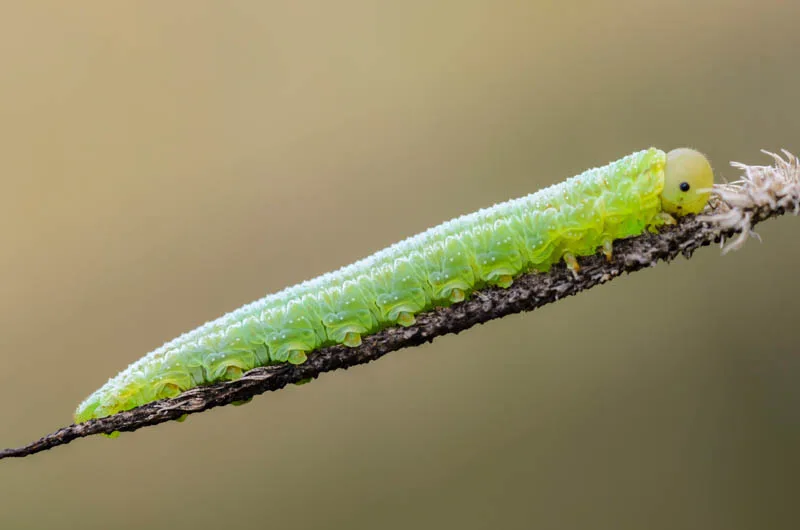
The larvae look a lot like caterpillars. They’re small, soft-bodied, and usually pale green or yellow. Sawflies cluster together on leaves and eat constantly.
Are sawfly larvae bad? Absolutely. Are sawfly larvae poisonous? No, but they will destroy your plants.
Here’s why this matters. Sawfly larvae are not caterpillars. This is the single most important thing to know.
Why does it matter? Insecticides designed to kill caterpillars don’t work on sawfly larvae at all.
If you’ve been spraying and seeing zero results? This is probably why.
How to Tell Sawfly Larvae Apart from Caterpillars
This is where most gardeners go wrong. Let’s fix that right now.
Look at the legs. That’s your fastest answer.
- Sawfly larvae have three pairs of true legs, plus seven or eight pairs of fleshy, false legs.
- Caterpillars have three pairs of true legs, but only five or fewer pairs of false legs with tiny hooks.
Count the prolegs. If you see more than five pairs, you’re looking at sawfly larvae. Simple as that.
This tiny detail changes everything about how you treat them. Don’t skip this step.
What Sawfly Damage Looks Like
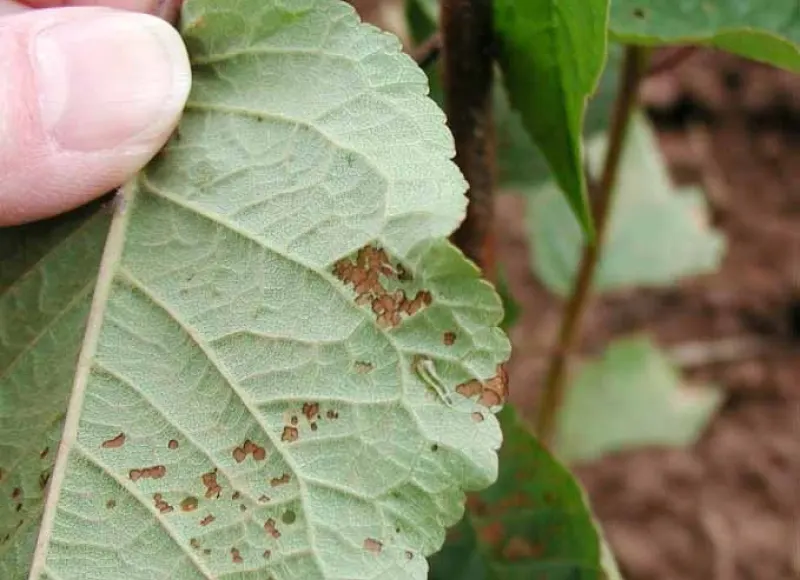
Credit: agsci.oregonstate.edu
Catching sawfly larvae early saves your plants. Knowing what to look for is everything.
Here are the main signs:
- Holes or notches in the edges of leaves
- Skeletonized leaves — the tissue between the veins is completely eaten
- Rolled or curled leaves where larvae hide inside
- Webbing or small webs on plant surfaces
- Galls on foliage in some species
- Leaves that look tan, blotchy, or see-through
For rose sawfly larvae, you’ll notice tan blotches first. Then the leaves start to turn brown and look lacy and thin. It progresses fast if you don’t act.
A light infestation causes mostly cosmetic damage. But a heavy one? It can seriously weaken or even kill a tree or shrub.
Understanding the Sawfly Life Cycle
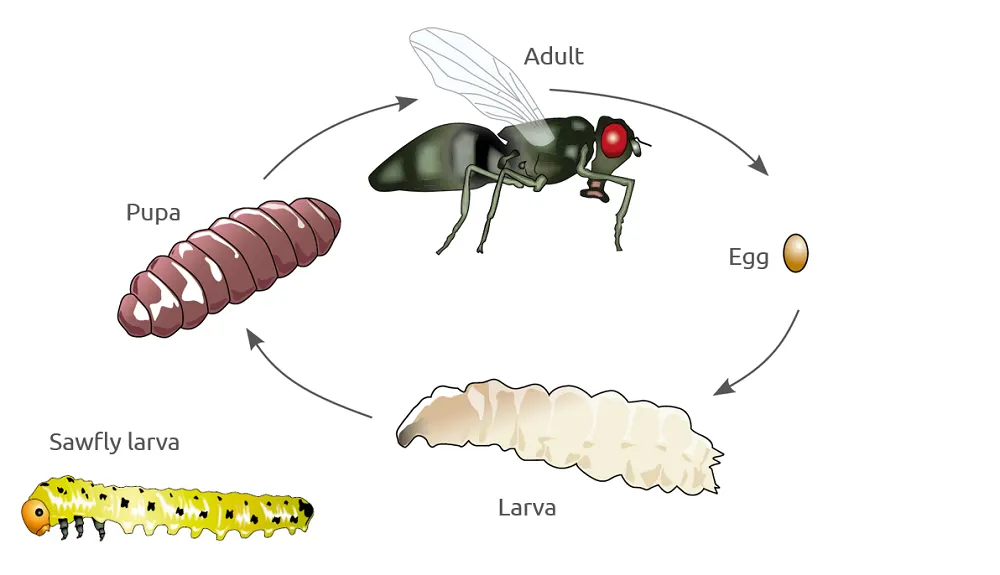
Credit: ahdb.org.uk
To control sawflies effectively, you need to know their life cycle.
Adult sawflies lay eggs in spring on host plants. Depending on the species, you might be dealing with white pine sawflies, European pine sawflies, dogwood sawflies, or rose sawfly larvae.
The eggs hatch into sawfly larvae that feed voraciously on plant tissue. Most larvae are an inch long or less at first, but they grow quickly. A mature larva can reach half an inch or more.
After feeding for several weeks, larvae drop to the soil. They burrow into the ground and form cocoons. Then they overwinter as pupae until the next spring.
Some species have multiple generations per year. This is why controlling sawfly larvae early is so important.
Where to Find Different Sawfly Species
Different sawfly species attack different plants. Knowing your enemy is key.
Pine sawflies like white pine and other conifers. The Neodiprion pine sawflies are particularly destructive. You’ll find these on white pine sawflies and other evergreens.
Rose sawfly larvae attack your flowers. Elm sawfly larvae target elm trees. Dogwood sawflies damage dogwood shrubs.
Each species has a preferred host plant. Understanding which sawfly you’re dealing with helps you target treatment more effectively.
How to Get Rid of Sawfly Larvae: Control Methods That Actually Work
Alright. This is the heart of it. Let’s go through every effective method.
Hand-Picking
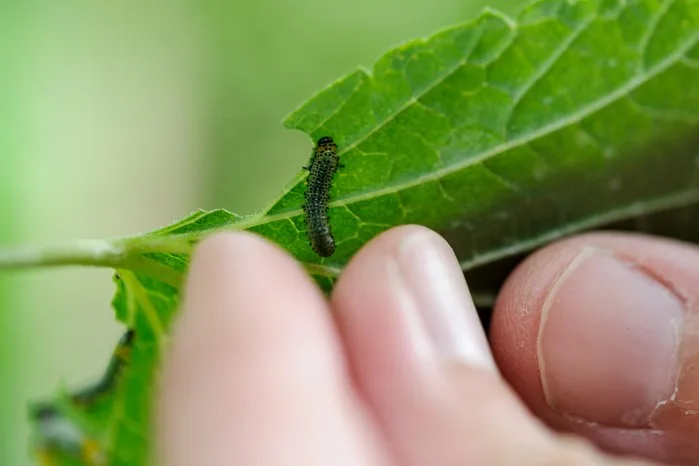
Credit: gardenersworld.com
This is the simplest method for small infestations. It works.
Put on your gloves. Check the undersides of leaves. Pick the larvae off and drop them into a bucket of soapy water.
Yes, it takes time. But it’s free and safe. And for a light infestation, it’s all you need.
Check every few days. Consistency matters more than one big session.
Strong Jet of Water
This one is underrated.
Grab your garden hose. Use a strong jet setting. Spray the affected plants hard.
The force knocks the larvae off. Once on the ground, they struggle to get back up.
It’s not a permanent fix on its own. But it’s a great first step and works well alongside other methods.
Pruning Infested Branches
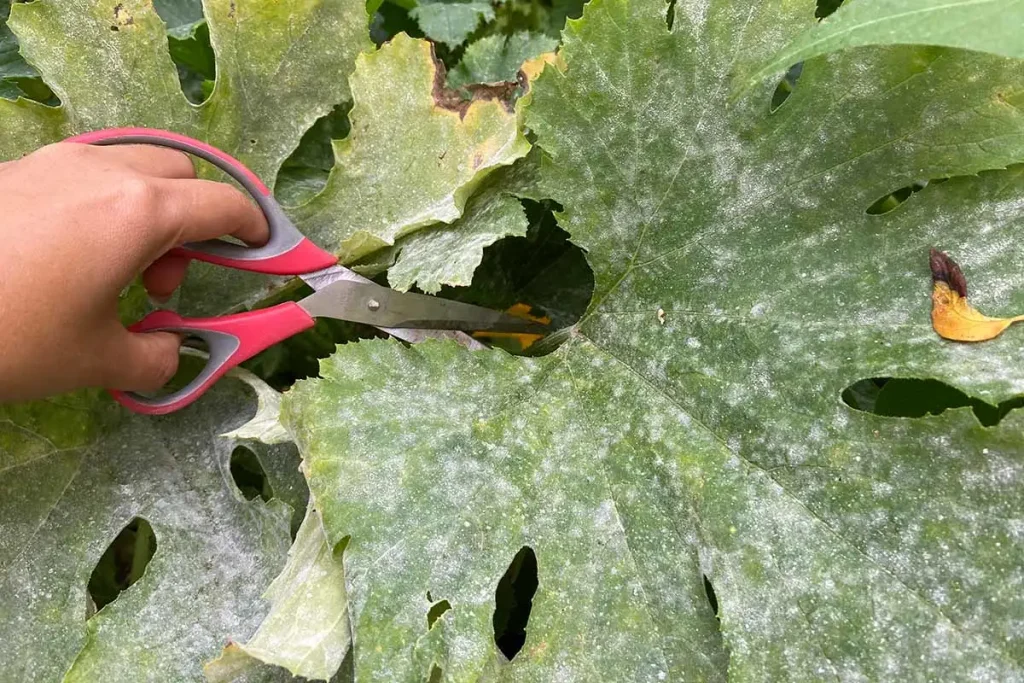
Credit: gardenerspath.com
If larvae have clustered heavily on certain branches, prune them off.
This removes a large number of larvae fast. It also stops the spread to nearby leaves.
Use clean, sharp pruning shears. This is important; always clean your tools with rubbing alcohol before and after use. Dirty tools can spread other plant problems.
After pruning, remove the clippings from your garden completely. Don’t leave them nearby.
Neem Oil
Neem oil is a solid organic option. It works as both a repellent and a mild insecticide.
Mix it with water and a few drops of dish soap. Spray it on affected plants, especially under the leaves.
It has a slight residual effect. But it breaks down quickly. Reapply every seven to ten days for best results.
Moreover, it is safe around pollinators when applied carefully. Still, try to apply it when bees are less active.
Insecticidal Soap and Horticultural Oil
Credit: homegardenandhomestead.com
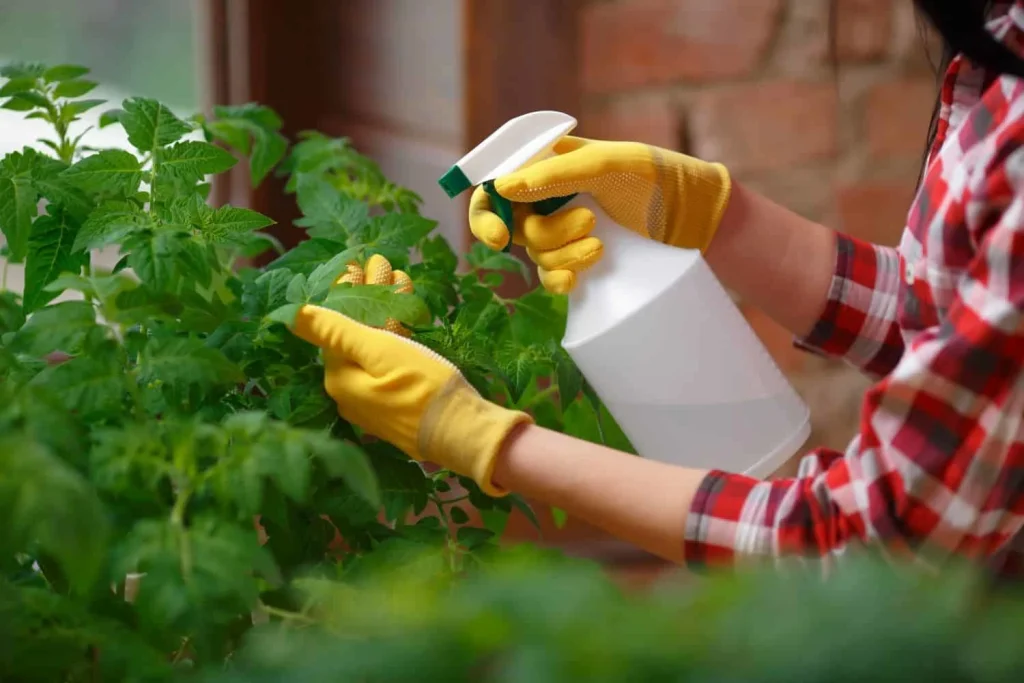
These are your best friends for sawfly larvae control. And they’re gentle on the environment.
Insecticidal soap works by coating the larvae and disrupting their ability to feed. Horticultural oils smother them effectively.
Important: These only work on contact. You have to spray directly onto the larvae. That means getting the undersides of leaves coated well.
Apply in the early morning or evening; avoid peak sun hours because the product can burn leaves if applied in direct heat.
Plan for repeat applications. One spray is rarely enough.
Systemic Treatments for Roses and Shrubs
If you’re dealing with sawfly larvae on roses, this is worth knowing.
Because the larvae hide on the undersides of leaves, spray treatments are hard to apply perfectly. Systemic treatments solve this.
Systemic options like Bonide Systemic Granules get watered into the roots. The treatment moves through the whole plant. When larvae eat the leaves, they ingest the product and die.
These are especially useful when an infestation is already advanced. Or when spraying every leaf just isn’t realistic.
For next season: apply a pre-emergent systemic drench in fall. Sawfly larvae overwinter as pupae in the soil. Treating in the fall interrupts that cycle before they emerge in the spring.
Soil Cultivation
Credit: thetreecenter.com
This one is an often-overlooked but effective step.
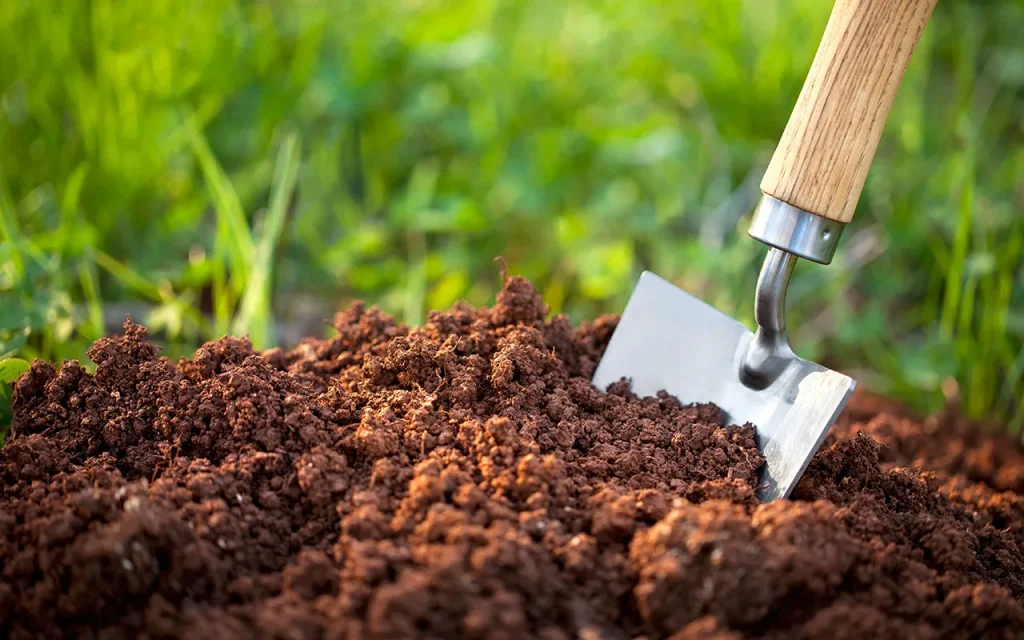
Sawfly larvae pupate in cocoons in the soil. They wait for spring. Then they emerge as adults, mate, and lay eggs.
Cultivate your soil several times during the winter months. Turn it over. Expose the pupae to cold weather, frost, and birds.
Birds love to eat exposed pupae. You’re basically setting a free buffet for natural predators.
Take care not to damage the roots of nearby dormant plants when doing this.
Organic Pesticides for Severe Infestations
Sometimes the infestation is too big for gentler methods.
For larger trees or heavy infestations, an organic pesticide like Trounce works well. It’s broad-spectrum but breaks down without leaving residues. Apply twice, about two weeks apart, for best results.
Do not use Bacillus thuringiensis (Bt) on sawfly larvae. BT only kills true caterpillars. It has zero effect on sawfly larvae. Don’t waste your money.
Also, avoid broad-spectrum chemical insecticides if you can. They kill beneficial insects, predatory beetles, and parasitic wasps that naturally keep sawfly populations in check.
Natural Predators That Help
You don’t have to fight this alone. Nature has built-in pest control.
- Predatory beetles feed on sawfly larvae
- Parasitic wasps target sawfly populations
- Birds eat both larvae and overwintering pupae in the soil
Encourage birds in your garden. A bird feeder or bird bath near affected plants helps. Avoid using broad-spectrum pesticides that would kill off beneficial insects.
What Kills Sawfly Larvae: A Quick Reference
Credit: gardenia.net
Not sure what kills sawfly larvae? Here’s your quick answer.
What Works:
- Hand-picking
- Strong water spray
- Pruning
- Insecticidal soap
- Horticultural oil
- Neem oil
- Systemic treatments
- Soil cultivation
- Natural predators
- Organic pesticides, such as Trounce
What Doesn’t Work:
- Bacillus thuringiensis (Bt) — only kills caterpillars
- Insecticide for sawfly larvae that targets caterpillars
- Bug zappers
- General store-bought sprays without sawfly-specific labels
When to Call a Professional
For small garden plants and shrubs, most people can manage sawfly larvae on their own.
But when it comes to tall trees or large-scale infestations, call a certified arborist.
Large trees are hard to treat safely without professional equipment. A certified arborist knows exactly what products to use. They minimize risk to beneficial insects and nearby plants.
Don’t wait until major damage is done. If you see larvae on tall trees and can’t reach them easily, get help sooner rather than later.
Preventing Sawfly Problems Next Season
Prevention is always easier than control.
Here’s what to do:
- Inspect regularly in late spring through early summer
- Prune heavily infested branches immediately
- Cultivate the soil in winter to expose overwintering pupae
- Apply pre-emergent systemic drench in the fall on susceptible plants like roses
- Keep your yard clean — remove fallen leaves and debris
- Encourage natural predators — birds and beneficial insects
- Monitor your host plants — roses, pines, elms, dogwoods, and other susceptible species
Ending Remarks
Sawfly larvae control doesn’t have to feel overwhelming. It just requires the right approach. Start with an early inspection. Know what you’re looking at. Don’t confuse them with caterpillars. Use the right products and be consistent or contact a pest control company in your area.
Frequently Asked Questions
Here are quick, straightforward answers to what most people ask.
What is the fastest way to get rid of sawfly larvae?
Hand-picking combined with insecticidal soap spray is the fastest approach for small to medium infestations of sawfly larvae.
Can I use BT spray to kill sawfly larvae?
No. Bacillus thuringiensis only works on true caterpillars. It has no effect on sawfly larvae whatsoever.
When is the best time to treat sawfly larvae?
Treat in late spring through early summer. That’s when larvae are young and most vulnerable to controlling sawfly larvae efforts.
Do sawfly larvae come back every year?
Yes, they can. Larvae pupate in the soil over winter. Cultivating soil in fall and winter helps disrupt this cycle significantly.
Are sawfly larvae dangerous to my roses?
They won’t usually kill your rose sawfly larvae-problem plants. But a heavy infestation weakens the plant. Treat early to protect new growth and keep roses healthy.