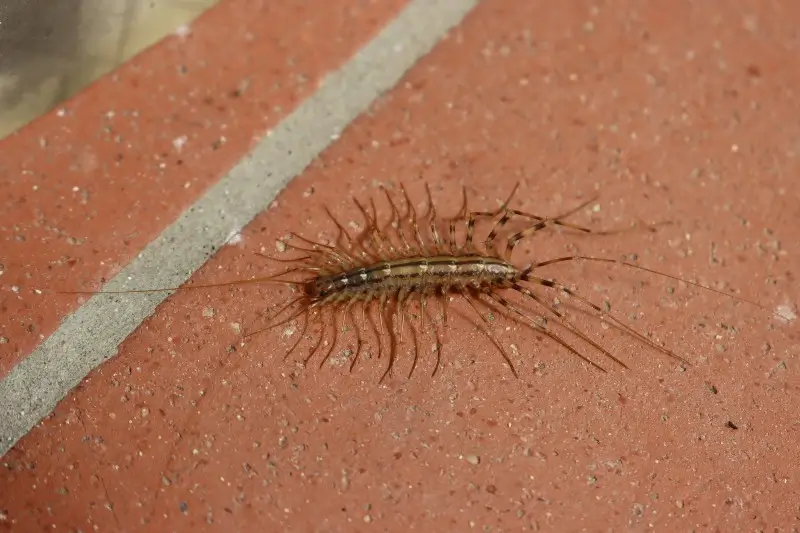
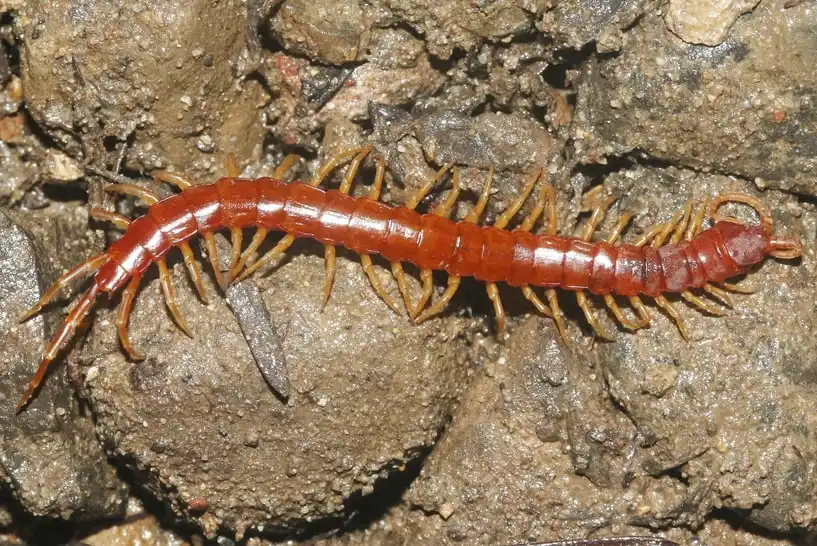
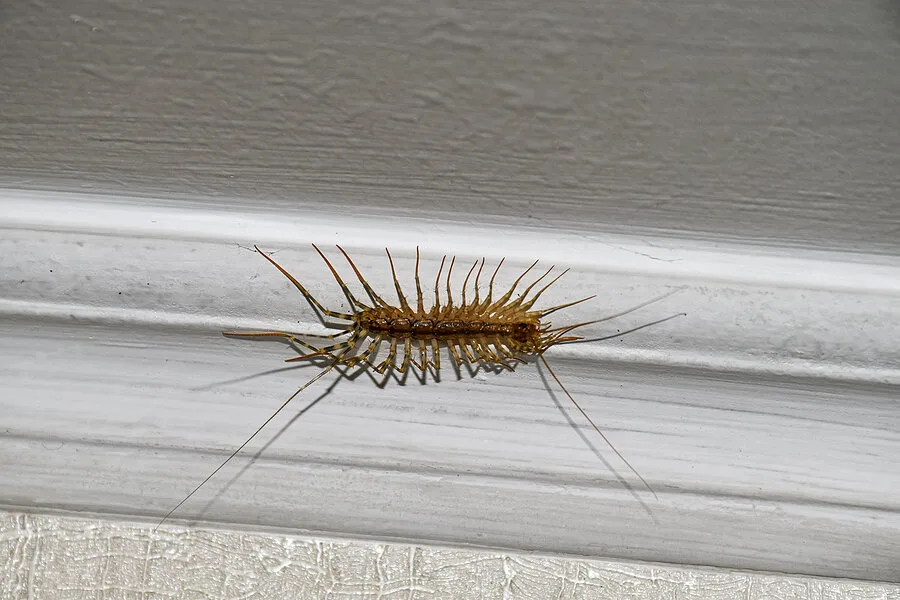
Few backyard discoveries make people react as quickly as seeing a large centipede rush across the ground. The long body, dozens of legs, and quick movements are enough to make anyone take a step back. If you have recently spotted a Florida blue centipede, you may already be wondering whether it is dangerous or can harm your family. The truth is that this creature is often misunderstood. While the blue centipede has a painful bite and should never be handled, it is also an important part of Florida’s ecosystem. It hunts insects, adapts to warm climates, and helps maintain the natural balance around your property. Knowing how this centipede behaves can help you replace fear with understanding. Let’s look at what makes the Florida blue centipede unique and what you should do if you find one near your home.
What Is a Florida Blue Centipede?
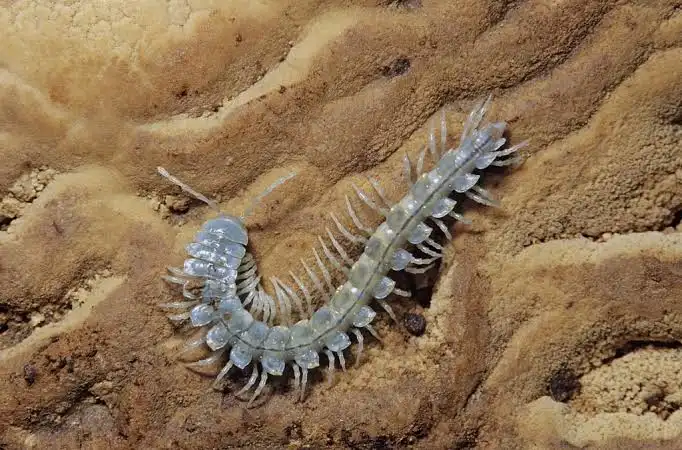
Credit: buglady.com
The blue centipede is a large centipede species commonly found in warm and humid regions. It is associated with Scolopendra viridis, a predatory centipede species known for its impressive size and hunting ability.
Unlike insects, centipedes belong to a group of animals called myriapods. They are recognized by their segmented bodies and multiple pairs of legs.
The term blue centipede Florida is commonly used because these creatures often have a dark blue, blue-green, or grayish appearance. However, their exact color can change depending on age, lighting, and individual variation.
Some people also refer to larger specimens as a giant centipede because of their size compared with other common household centipedes.
The size can surprise many homeowners. Adult centipedes can grow several inches long, making them one of the larger centipede species found in Florida.
How to Identify a Florida Blue Centipede
Credit: flickr.com
Identifying different centipede species can sometimes be challenging because many have similar body shapes.
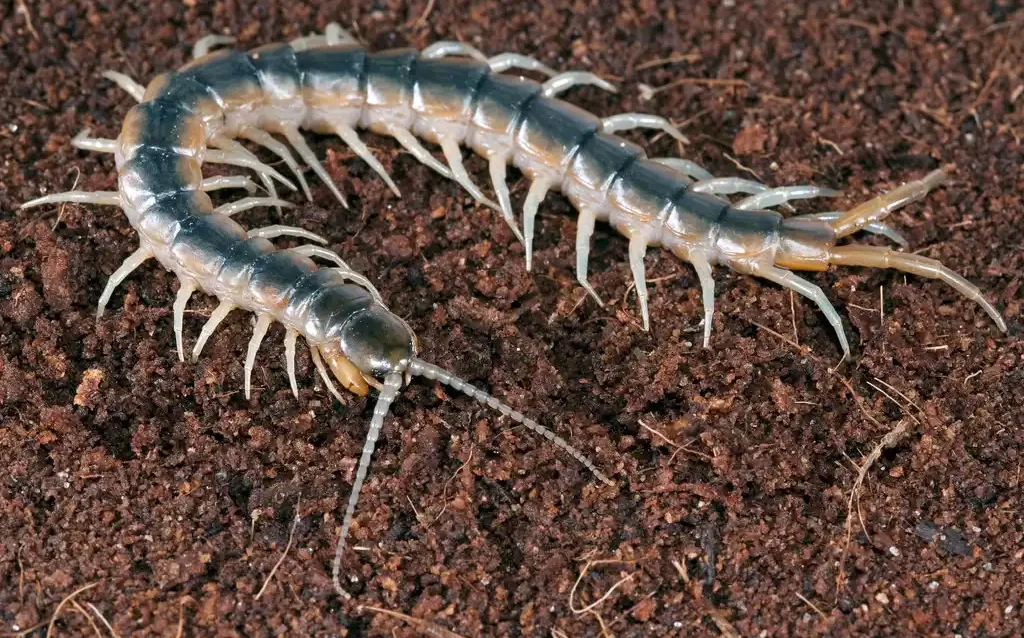
A Florida blue centipede usually has a long, flattened body with multiple pairs of legs running along its sides. It also has strong front appendages called forcipules, which it uses to capture prey and deliver venom.
Common identification features include:
- A long and flattened body.
- A blue, blue-green, or dark-colored appearance.
- Numerous pairs of legs.
- Fast movement when disturbed.
- A larger body compared with smaller house centipedes.
You may also come across a baby blue centipede. Younger centipedes are usually smaller and may have slightly different coloring. However, they share many of the same behaviors as adults.
Their appearance can be intimidating, but their insect behavior is mainly focused on hunting and survival.
Habitat and Behavior
Credit: reddit.com
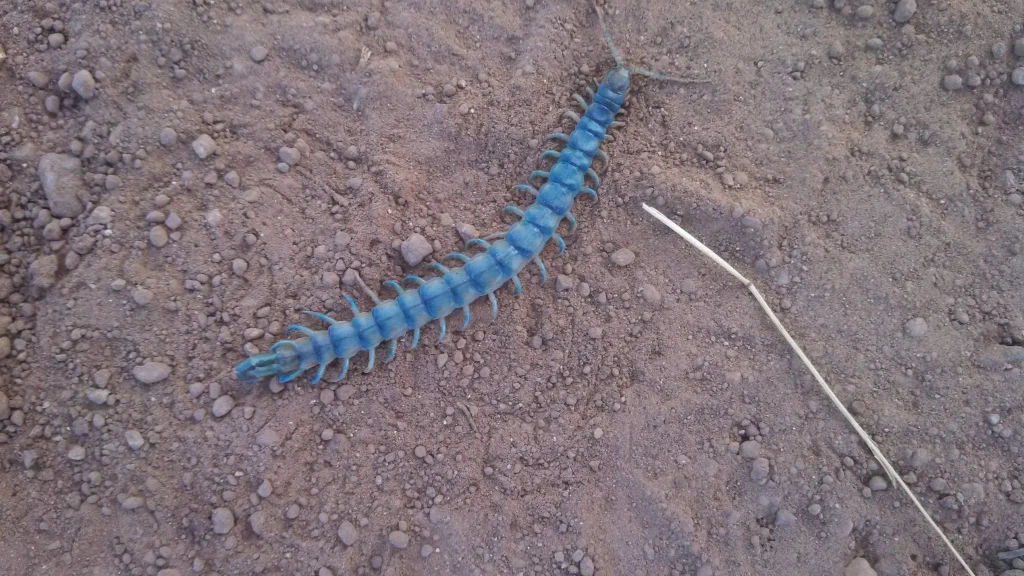
The natural habitat of the Florida blue centipede includes areas that provide moisture, shelter, and food.
Florida’s warm climate creates ideal conditions for these creatures. They are commonly found under rocks, fallen logs, mulch, leaves, and other damp outdoor materials. The climate impact on centipede populations is significant. Warm temperatures and high humidity allow them to remain active for much of the year. They usually avoid direct sunlight and hide during the day. At night, they become more active and search for prey.
Their behavior is a good example of how nature maintains balance. Through their hunting habits, they help reduce populations of other common pests.
What Do Florida Blue Centipedes Eat?
The Florida blue centipede is a predator, not a plant-eating pest.
It feeds on insects and other small creatures found around gardens, yards, and natural areas.
Their diet may include:
- Cockroaches.
- Spiders.
- Crickets.
- Beetles.
- Other small arthropods.
Because they feed on insects, they can provide some natural pest control benefits.
This is one reason pest professionals often consider the bigger picture when managing outdoor pests. Modern integrated pest management focuses on understanding pest behavior instead of removing every organism immediately. This approach starts with knowledge. Through our pest control classes, Bug Lady teaches about different pest species, their contribution to natural systems, and the best ways to handle them without disrupting the balance of your environment.
A healthy outdoor environment needs predators as well.
Is Blue Centipede Dangerous?
Credit: inaturalist.org
One of the most common questions people ask is, “Are blue centipedes poisonous?”
The answer is no. They are not poisonous.
However, they are venomous.
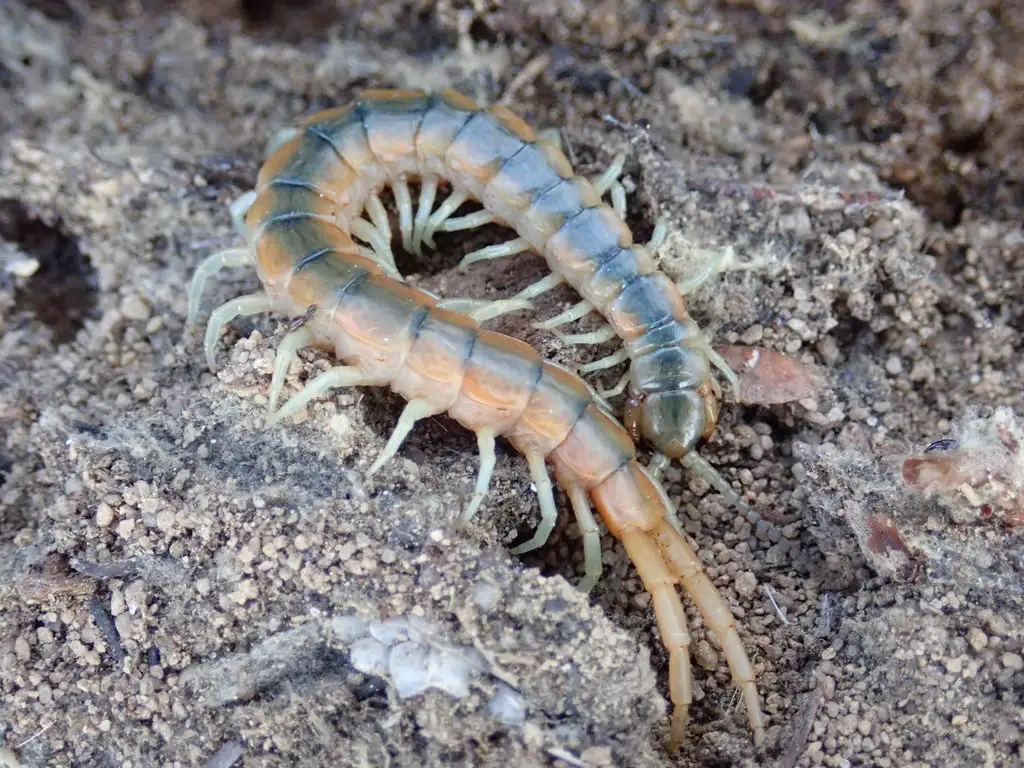
A Florida blue centipede bite happens when the animal feels threatened or trapped. The venom helps them capture prey, but it can also cause discomfort in humans.
A bite may cause symptoms such as:
- Pain around the bite area.
- Redness.
- Swelling.
- Burning sensations.
- Skin irritation.
These are common bug bite symptoms after a centipede encounter.
The severity of symptoms can depend on the size of the centipede, the location of the bite, and the person’s sensitivity.
What You Should Know
A Florida blue centipede bite is usually not life-threatening, but it can be painful.
The bite occurs when someone handles the centipede or accidentally disturbs its hiding place.
The best form of bite prevention is simple: avoid touching centipedes.
If you find one outdoors, give it space. If you need to remove one, avoid using your bare hands.
After a bite occurs, basic bite wound care is usually enough.
Recommended steps include:
- Cleaning the area with soap and water.
- Applying a cold compress.
- Keeping the area clean.
- Monitoring symptoms.
These aftercare tips can help reduce irritation.
In rare situations, some people may experience an allergic reaction. Anyone experiencing severe swelling, breathing problems, or unusual symptoms should seek medical attention.
While antivenom treatment is not typically required for centipede bites, professional centipede pest controller advice may be needed for serious reactions.
Why Are Blue Centipedes Entering Homes?
Credit: diapteron.co.uk
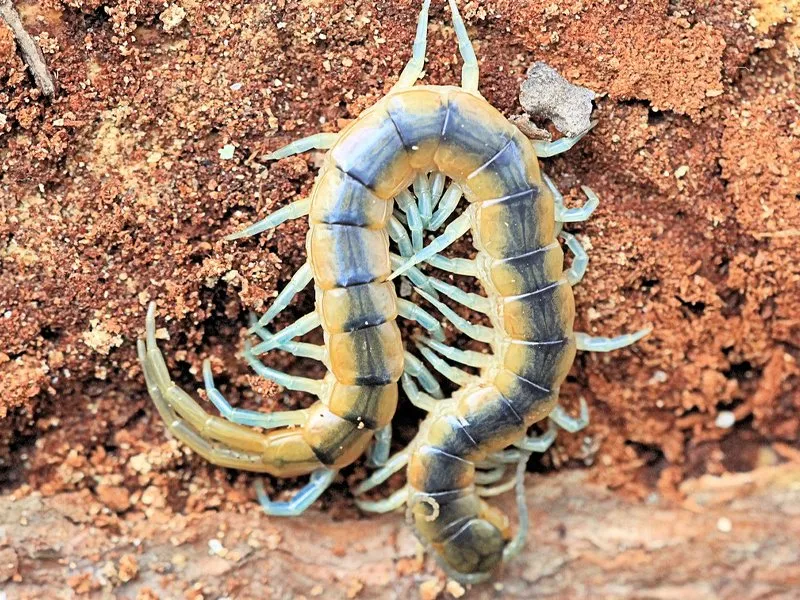
Finding a Florida blue centipede outdoors is normal. Finding one inside your home usually means it has found suitable conditions.
Several factors can attract them.
Moisture is one of the biggest reasons. Poor drainage, leaks, and excessive watering can create ideal hiding conditions.
Your watering habits also matter. Proper irrigation techniques can help reduce overly damp areas around your property.
Food sources are another factor.
Centipedes follow insects. If your home has a population of roaches, spiders, or other pests, centipedes may appear because there is an available food source.
This is why controlling the underlying pest problem is often more effective than simply removing the centipede.
How to Prevent Blue Centipedes Around Your Home
The best way to reduce encounters is to make your property less attractive.
Start by managing outdoor moisture.
Check your irrigation system and avoid creating constantly wet areas near your home.
Remove hiding locations such as:
- Leaf piles.
- Old wood.
- Excess mulch.
- Outdoor clutter.
Seal cracks around doors, windows, and foundations.
You should also focus on overall crop protection and garden health if you maintain plants or crops. Healthy landscapes with balanced pest management practices are less likely to experience major pest issues.
Should You Remove a Florida Blue Centipede?
The answer depends on where you find it. If you see one outdoors, it is usually best to leave it alone. It is part of the natural ecosystem and helps control insects. However, indoor sightings may require attention. If you repeatedly find blue centipedes inside, investigate possible causes such as moisture problems, insect activity, or entry points. Removing the centipede is only one part of the solution. Understanding why it appeared is what prevents future problems.
Final Thoughts
The blue centipede may look scary, but it is a fascinating creature with an important role in nature. It is a skilled hunter that helps control other pests while adapting perfectly to Florida’s climate. Although its bite can be painful, it usually avoids humans and only reacts when threatened.
The best approach is awareness.
Frequently Asked Questions
From bites and safety concerns to identification and prevention, these FAQs cover the things you are most likely wondering about.
Are Florida blue centipedes poisonous?
No, a Florida blue centipede is not poisonous. It is venomous because it delivers venom through a bite. The bite can cause pain and irritation but is rarely dangerous.
How big can a Florida blue centipede get?
The Florida blue centipede size can vary, but adults can grow several inches long. Larger individuals are sometimes called giant blue centipedes.
What happens after a Florida blue centipede bite?
A Florida blue centipede bite may cause pain, swelling, redness, and irritation. Cleaning the bite and following basic bite treatment steps usually helps.
Are blue centipedes poisonous to pets?
A bite can cause discomfort for pets, especially smaller animals. It is best to prevent pets from playing with or disturbing centipedes.
What attracts Florida blue centipedes?
Blue centipedes are attracted to moisture, shelter, and insects. Managing humidity, reducing hiding places, and controlling pests can help prevent them.