Everything you think you know about biting no-see-ums is wrong. Or at least, incomplete. You think they’re mosquitoes? Wrong. You think bug spray will protect you? Not necessarily. You think they’re just an annoyance? Not really. These little insects are a specific threat that requires a specific strategy. Most people waste time and money fighting them with the wrong approach. They buy the wrong repellent, treat the wrong symptoms, and target the wrong breeding grounds. Meanwhile, biting no-see-ums multiply and thrive. But once you understand the real truth about what attracts them, everything becomes clear. And actually solvable.
First, Who Are These Tiny Terrors?
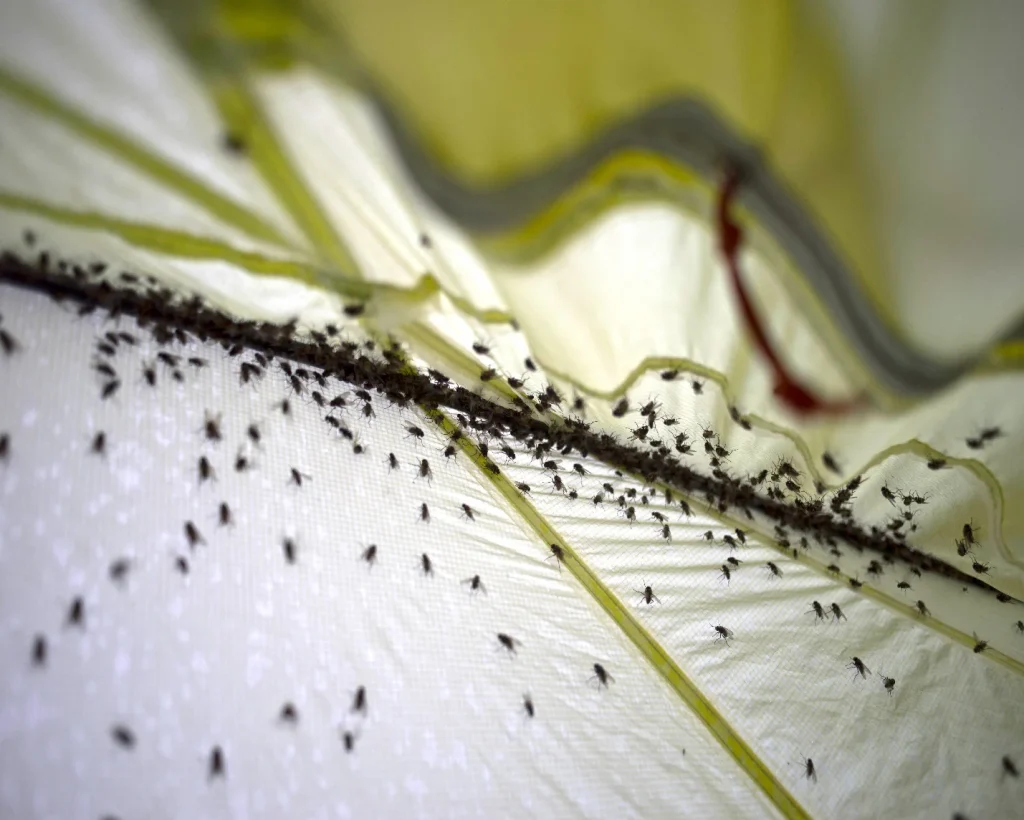
Credit: screenmobile.com
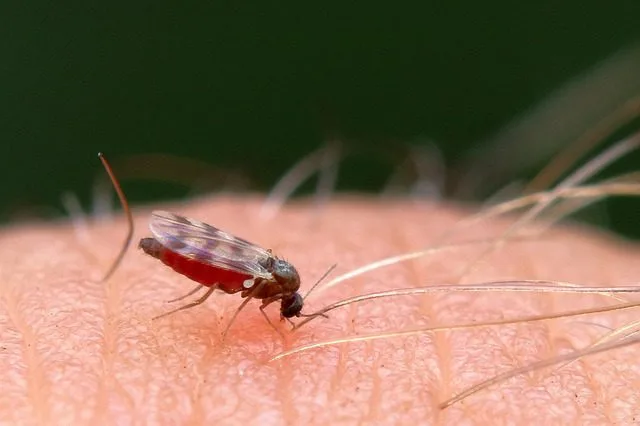
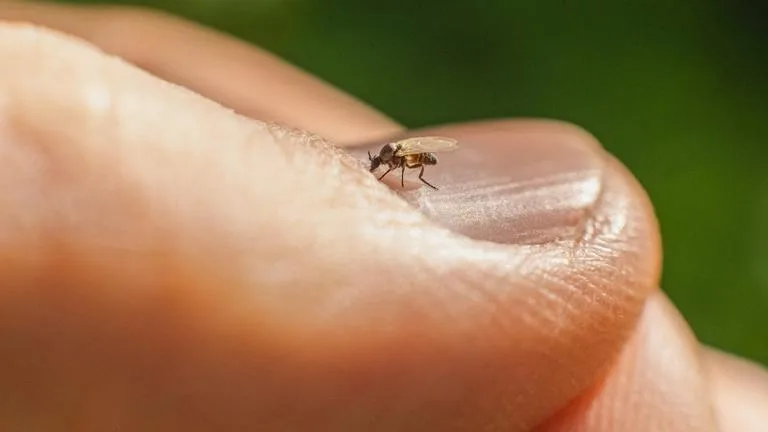
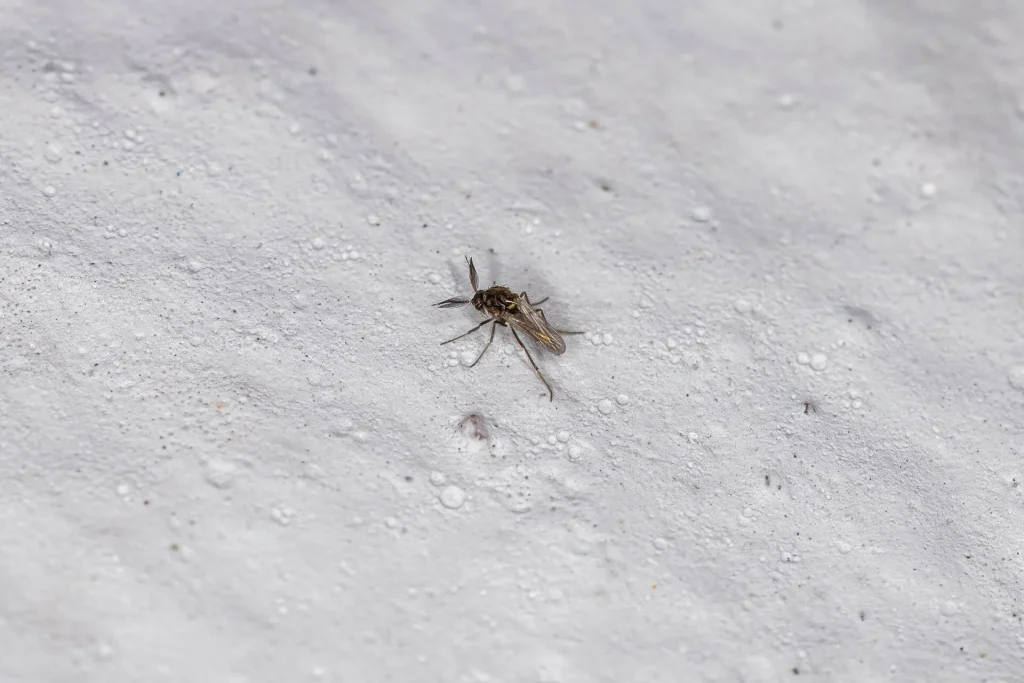
Biting no-see-ums are also called biting midges. Some folks call them sand flies. They are tiny flying insects, really tiny. Smaller than a dime’s lettering.
Only the females bite you. They need blood to produce eggs. Males just sip nectar. So every bite is a mother looking for a meal.
They thrive in warm, humid places, and they are most active at dawn and dusk. That is why your evening hangs get ruined. If you’re looking for proven methods to clear them out, here’s how to get rid of no-see-ums. Learn the ways and let’s talk about everything else we know about biting midges.
What Draws Biting No-See-Ums to Your Yard
Credit: mosquitonix.com
Let us start outside your home. The yard is ground zero for these pests.
Moisture Is Everything
Biting midges cannot survive without moisture. They breed in wet places. Here is what attracts them:
- Standing water in any form, including puddles, bird baths, and kiddie pools
- Clogged gutters and downspouts
- Muddy or marshy soil
- Low spots in your lawn that hold water
- Leaky faucets and irrigation systems
Even a few tablespoons of water can host them. They lay eggs in shallow, still water. That pond in your backyard? A nursery. That kiddie pool you forgot to empty? A breeding ground.
Rotting Organic Matter
These bugs feed on decaying stuff. They are attracted to:
- Compost piles, especially open ones
- Uncleaned garbage bins
- Leaf litter piled up
- Grass clippings left to rot
- Tree debris and fallen branches
- Manure piles or animal waste
If your yard smells like decomposition, biting no-see-ums notice. They feast on that scent.
Overgrown Landscaping
Tall grass gives them hiding spots. Overgrown bushes offer shade and humidity. Weeds trap moisture near the ground.
A messy yard is a hotel for these bugs. They check in and never leave.
What Attracts Them to You
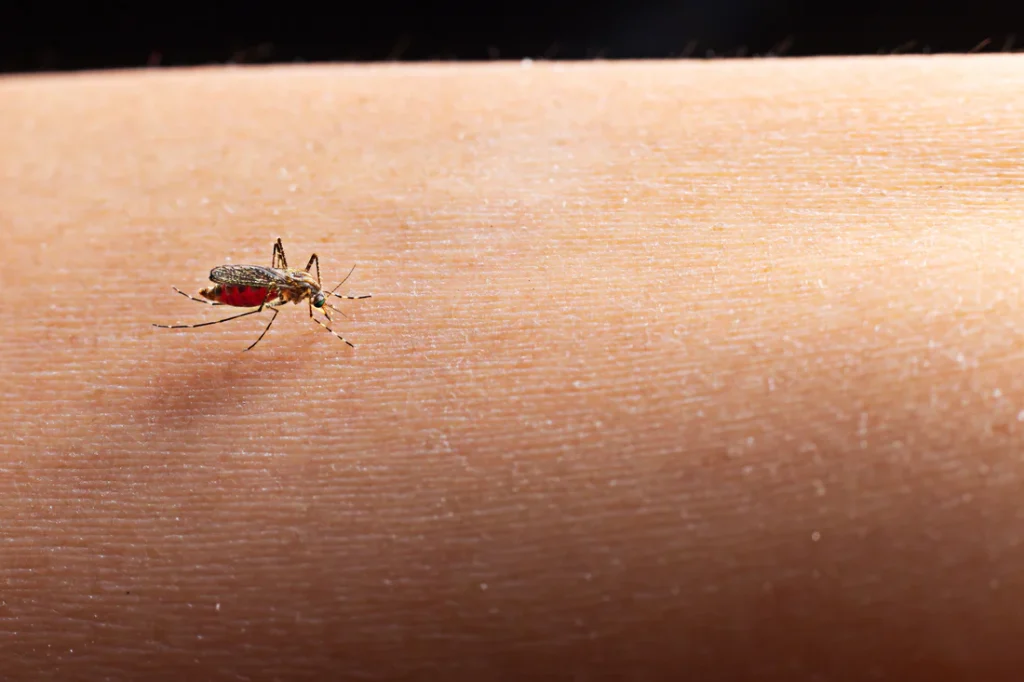
Credit: gbyegnats.com
Now for the personal stuff. Why do they bite you and not your neighbor?
Your Breath
Every time you exhale, you release carbon dioxide. Biting midges follow that trail. It is their main homing signal.
They smell you from yards away. Then they fly straight toward your face and legs.
Body Heat
The human body is warm, and biting midges like it. Your body radiates heat. So, to a no-see-um, you are a glowing beacon.
Moving around makes it worse. Exercise raises your temperature. That makes you even more attractive.
Sweat and Skin Smell
Your body odor contains lactic acid, and no-see-ums love it. So do the ammonia and other compounds in your sweat.
You cannot help this; it is natural. But knowing why helps you fight it.
Perfume and Scented Products
Here is the tricky part. That lovely shampoo? They like it. Your floral lotion? Dinner bell. Hair products, fabric softeners, and colognes all attract them.
Strong scents that attract biting no-see-ums include:
- Floral perfumes and colognes
- Fruity-scented shampoos and conditioners
- Scented lotions and creams
- Fabric softeners
- Scented body wash
- Sweetly-scented deodorants
If you smell good to people, you smell good to biting no-see-ums.
Dark Clothing
Dark colors absorb heat. Biting no-see-ums sense that heat. Wearing black or navy makes you a target.
Light colors reflect heat. They keep you cooler. And they make you less visible to these bugs.
Light Sources
Biting midges fly toward light. That porch light you left on? It calls them in. Outdoor string lights? Same problem.
They gather near lights at night. Then they wait for you to step outside.
How to Stop No-See-Ums from Biting
Credit: alluneedpest.com
Now for the good stuff. Here is what actually works.
Get Rid of Standing Water
Walk your yard. Look for anything holding water. Biting midges need water to breed. Remove these sources:
- Birdbaths, empty and refill daily
- Buckets and containers
- Plant saucers
- Kids’ toys
- Kiddie pools
- Clogged gutters
- Leaky faucets
- Low spots in your lawn
- Aerated ponds: use pumps to keep water moving
Clean your gutters, fix leaky faucets, and fill low spots in your lawn. Aerate your pond or add a pump.
Still water is their nursery. Remove it, and they cannot breed.
Install Fine Mesh Screens
Standard window screens have big gaps. Biting no-see-ums slip right through. You need mesh with at least 20 openings per inch.
- Replace screens on windows
- Upgrade door screens
- Install screens on porches
- Check for tiny tears and holes
- Seal all cracks and crevices
- Don’t forget vents and openings
Use Fans Outdoors
Here is a simple trick. Biting no-see-ums are weak fliers. A strong breeze stops them cold.
- Place fans on patios or decks
- Point them toward your seating area
- Use multiple fans for larger spaces
- Keep them running while you are outside
- Enjoy the cool air and the bug-free zone
Choose the Right Repellent
Some repellents work better than others. The best ones contain picaridin or DEET. These hide your scent and confuse the bugs.
Effective natural repellent options:
- Picaridin lotions, 8-14 hours of protection
- DEET sprays and lotions, labeled for biting midges
- Permethrin sprays, for clothing only, not skin
- Essential oils, including camphor, eucalyptus, lemon, mint, and peppermint
- Oil-based products, like Avon Skin-So-Soft
Permethrin sprays work great on clothing. But do not put permethrin on your skin.
Essential oils can help too. Camphor, eucalyptus, lemon, mint, and peppermint. They dislike these smells. Diffuse them or mix with carrier oil.
Keep Your Yard Tidy
A clean yard gives them nowhere to hide. Make these your routine:
- Mow the lawn regularly
- Trim bushes and trees
- Rake leaves and debris
- Remove piles of wood or yard waste
- Cover compost bins
- Seal garbage cans
- Pick up fallen fruit from trees
- Store pet food and water bowls inside
- Empty plant saucers
How Do I Keep No-See-Ums from Biting Me?
Credit: mosquitosquad.com
Nighttime bites from no-see-ums often happen when you are relaxed outside. Simple changes help a lot. Use natural repellents and non-toxic solutions first. Fans and light clothing count as bite prevention.
How to Eliminate No-See-Ums
How to eliminate no-see-ums starts with removing water. Then add screens and fans. These non-toxic solutions work without chemicals. Watch for infestation signs like sudden bites at dusk.
Ending Remarks
The lowdown is that biting no-see-ums are tough opponents. They are tiny, persistent, and sneaky. But you can win this fight.
The key is understanding what draws them in. Use the right repellents and keep the air moving.
Frequently Asked Questions
Let’s wrap up our discussion by answering the questions we get asked the most.
Can biting no-see-ums get inside my home?
Yes. They squeeze through standard window screens. They also come through small cracks and open doors. Fine mesh screens, at least 20 openings per inch, and air conditioning help keep them out effectively.
What time of day are biting no-see-ums most active?
They are busiest at dawn and dusk. They avoid direct sunlight and strong heat. Plan your outdoor time around these hours. Stay inside during early morning and early evening for the best protection.
Does DEET really work against no-see-ums?
Yes, but only if labeled for biting midges. Apply it correctly and cover all exposed skin. Reapply as directed on the label. Picaridin is equally effective and lasts longer, 8-14 hours.
Can biting no-see-ums bite through clothes?
No. Their mouthparts are too short. Even thin fabric protects you. Just make sure the fabric is snug against your skin. Long sleeves and pants are your best defense.
What naturally repels biting no-see-ums?
Essential oils like camphor, eucalyptus, lemon, mint, and peppermint work well. Fans also create a natural barrier by disrupting their flight. Removing standing water is the best long-term solution. Basil plants in your yard can help too.