Types of Bugs
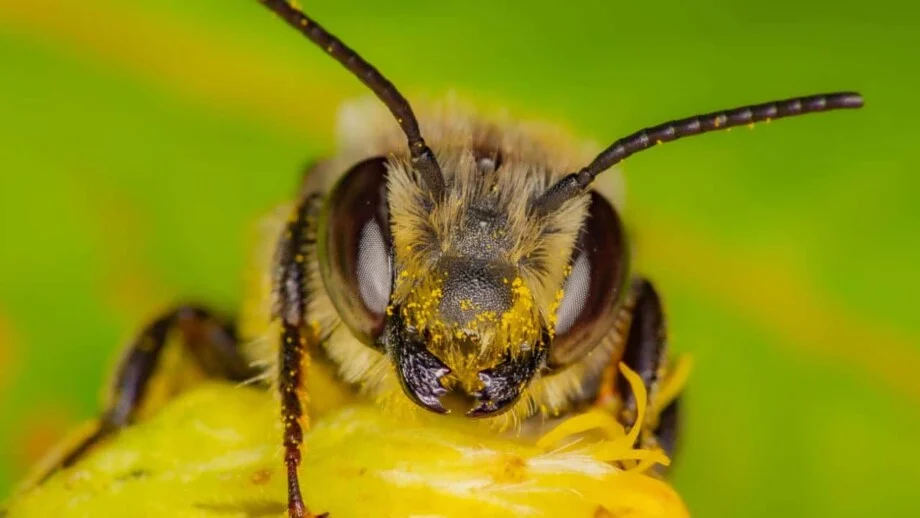
Common Types of Bees: Which Ones Sting and How to Stay Safe
You’re out in the backyard, sipping your morning coffee, when buzz. Something yellow and fuzzy
With a curious entomologist leading the way, dedicated to pest knowledge, Bug Lady provides reliable pest control for schools, making sure your campus stays pest-free and conducive to a focused learning environment.

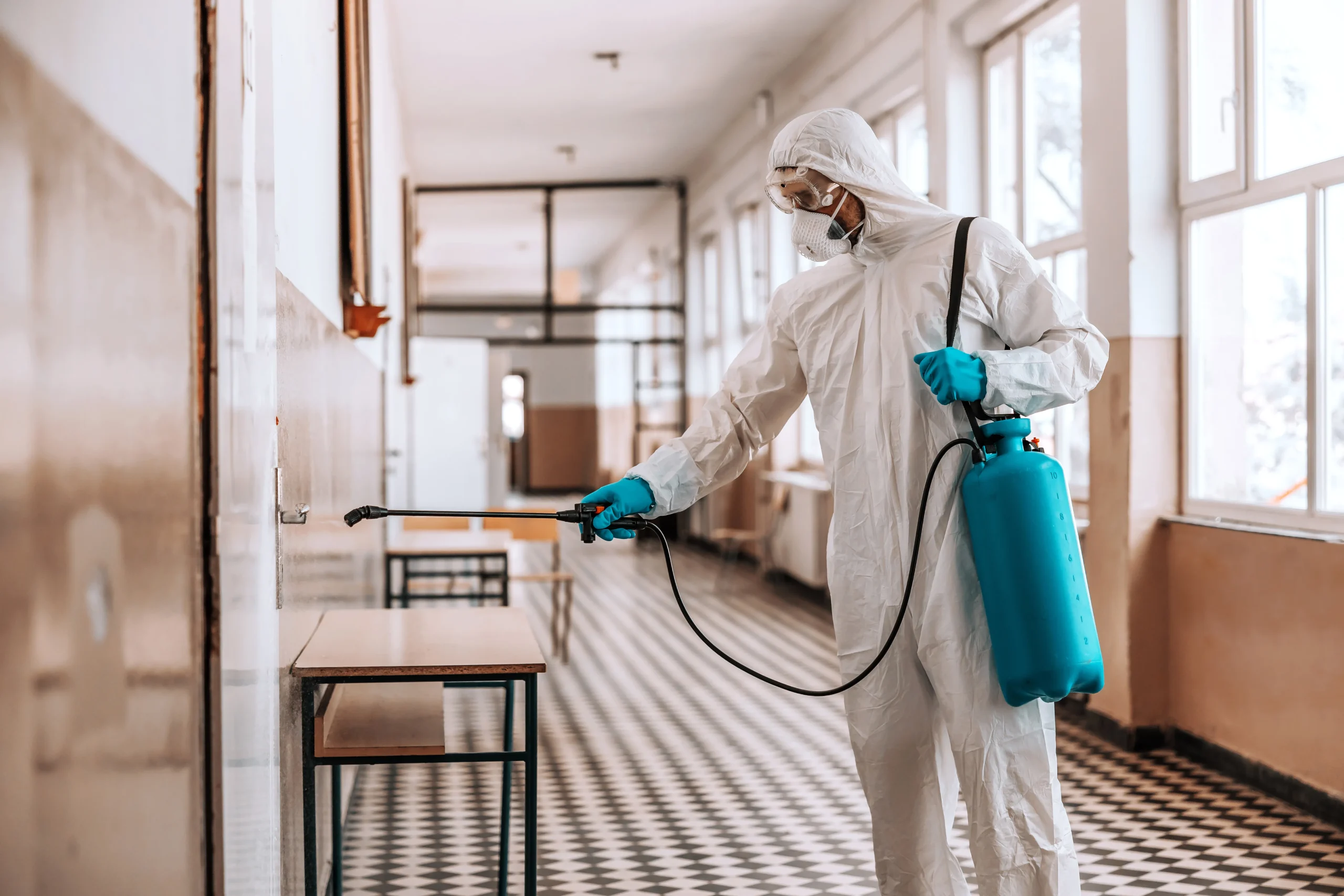
Pest education in schools isn’t just about keeping pests out—it’s about ensuring a safe, healthy environment for students and staff. By focusing on pest control for schools and prevention education, schools can reduce health risks, avoid costly damage, and create spaces that foster learning without the worry of pests.
Bug Lady is here to help with expert advice and education on managing a variety of pests. Let us guide you in creating a safe, healthy space for students and staff through effective school pest control strategies.
By understanding pest behavior and how to prevent infestations, educators and staff can protect students, facilities, and the school community from health risks and costly damage.
Here are the key educational sectors Bug Lady supports with practical pest knowledge and guidance:
Pests in classrooms and cafeterias disrupt learning and health. We help educators spot signs and prevent issues with effective school pest control.
Bug Lady educates staff and students on detection and prevention in communal areas and dorms, offering tailored university pest control services to keep campuses safe.
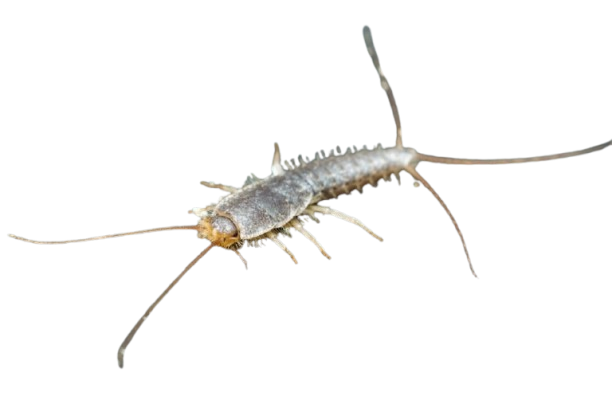
Silverfish and rodents may be lurking in your library. We spark curiosity about pests and educate staff on effective prevention to protect your collections.
Dorms and dining halls are prime pest targets. Our team provides expert pest control tips to maintain clean environments and prevent infestations.
Maintenance teams are key to pest control. At Bug Lady, we provide practical advice on sealing entry points, managing waste, and keeping areas dry.
We offer guidance on regular inspections and quick clean‑ups to keep buses pest-free, ensuring pest control in schools extends beyond the classroom.
Pest education in educational settings goes beyond spraying chemicals. It’s a thoughtful, step‑by‑step process that helps staff and students understand pest behavior. Here’s how pest education typically unfolds in schools, colleges, and other learning spaces:
Educators and administrators learn to spot common pest signs and understand what attracts them, helping everyone take early action and improve school pest control efforts.
Staff are shown how to check key areas — like cafeterias, classrooms for pest activity. Learning what to look for makes it easier to catch small problems before they become bigger ones.
Everyone on campus is given simple guidance on how and when to report pest sightings. Clear reporting helps the right people act quickly and keeps communication organized.
Our experts help you inspect buildings and grounds for entry points and conditions that attract pests, offering tips like sealing gaps and fixing leaks to reduce pest attractions.
After initial education and inspections, teams follow up to review progress and help staff adjust practices to keep pests at bay.
Knowing which pests are most likely to appear and how they behave helps staff and students keep classrooms and common areas comfortable. Pest control for schools is essential for maintaining a safe environment for students and staff.
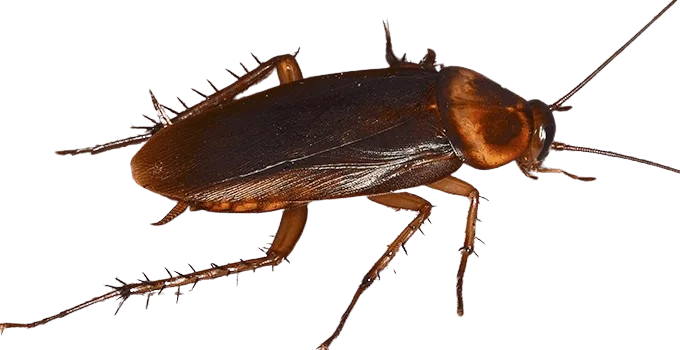
Education on cockroach behavior helps staff and students recognize where they hide and how to minimize attractants. This proactive approach is key to pest control for schools.
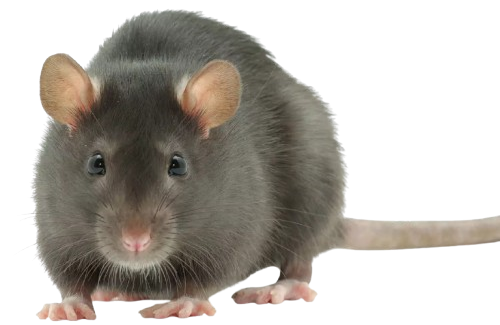
Understanding rodent behavior is crucial in pest control for educational sector settings to spot early signs and take steps to keep them out.
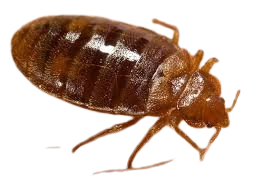
Educating the community on spotting bed bugs early and understanding how they spread is essential for preventing disruptions in classrooms and dorms.
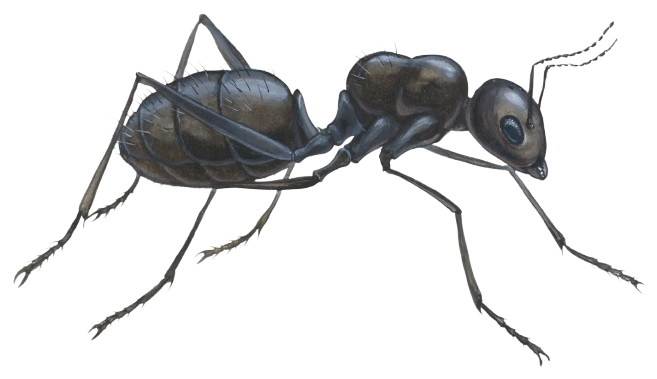
Teaching how ants navigate food sources and entry points allows for better sanitation and food storage, preventing infestations in school pest control efforts.
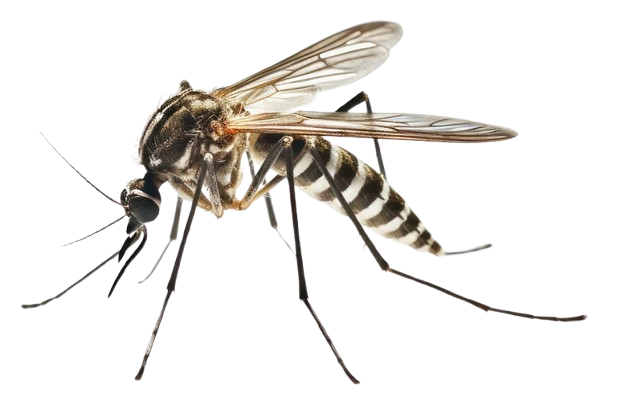
Education around breeding grounds and how to eliminate waste and standing water can help reduce the presence of flies and mosquitoes, creating a more comfortable environment.
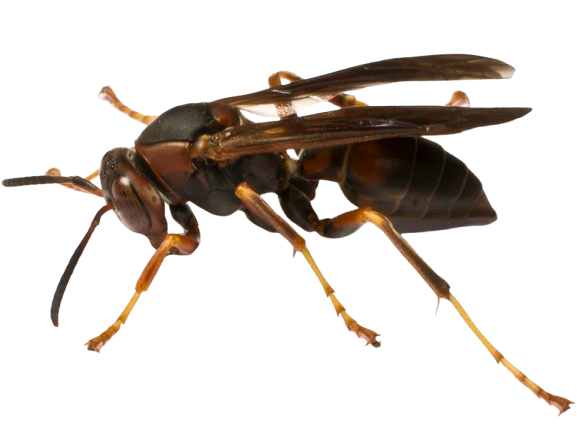
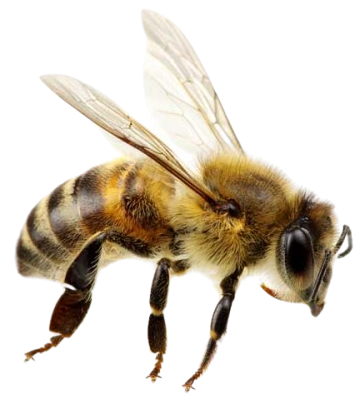
By teaching staff to identify and handle wasp and bee nests safely, schools can avoid stings and ensure safe outdoor spaces for students, enhancing university pest control practices.
Get expert guidance on pest prevention and create a healthier environment for your students and staff.

Pest education is crucial for creating a healthy, pest-free environment. Expert guidance ensures that schools stay safe while preventing infestations.
Pest professionals understand where pests hide and how to prevent them, making pest control for schools more effective.
By focusing on prevention, pest education reduces pesticide use and protects both people and property, ensuring safe school pest control.
Training staff to spot early signs of pests helps stop infestations before they start, making pest control in schools proactive and efficient.
Get clear answers to your pest education questions and learn how to protect your school.
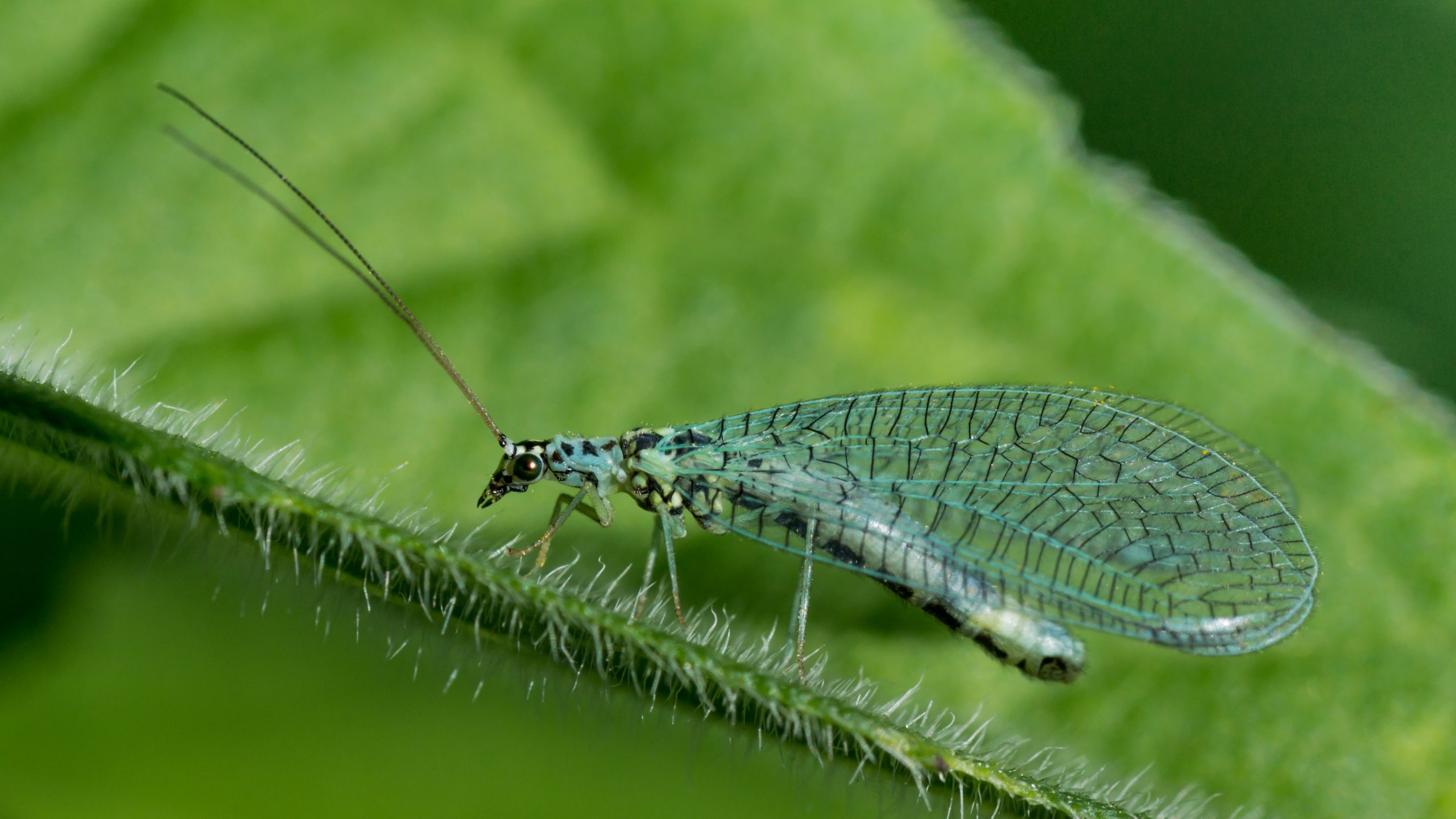
Pest education helps staff and students identify pests and prevent infestations. It’s essential for reducing health risks and promoting a safe, clean learning environment, a vital part of pest control for schools.
By teaching pest identification and sanitation, pest education reduces health risks and ensures a safer space, supporting effective school pest control.
IPM is a preventive approach that minimizes chemical use, focusing on sanitation and regular inspections. It’s key in pest control in schools to keep pests out with minimal impact.
We help by training staff and students to recognize pest signs early so they can take quick action to prevent infestations.
Pest education ensures compliance with regulations and teaches safe practices by keeping everything in line with legal requirements.
Stay ahead of unwanted pests with expert advice, practical tips, and the latest industry insights. Our blog is your go-to resource for learning how to protect your home, garden, and business from common pest problems.
You’re out in the backyard, sipping your morning coffee, when buzz. Something yellow and fuzzy
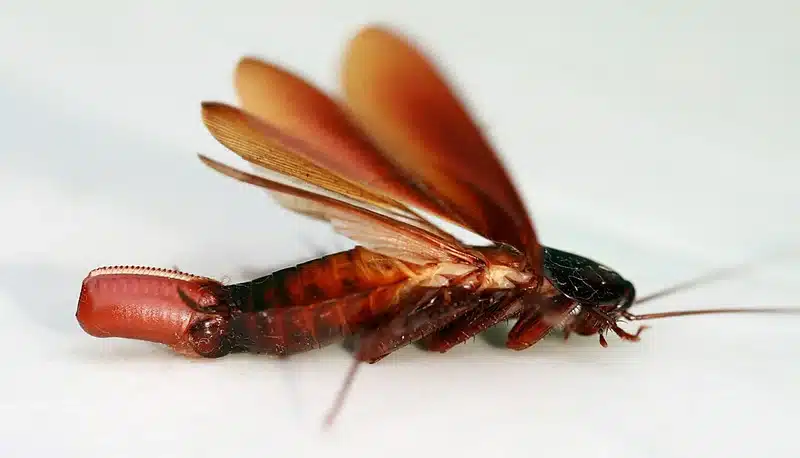
Picture this. You sit on your couch. You watch your favorite show. The house feels
You’ve seen them on Amazon. Maybe even in your local hardware store. Those little plug-in
We make it easy to contact pest control professionals who care. Fill out the form below, and we’ll get back to you fast.
Whether you’re dealing with an infestation or need preventive treatment — contact pest control you can trust.