Trees make every yard feel more alive. They give us shade, beauty, privacy, fruit, and a peaceful outdoor space. But trees also attract pests. Some pests chew leaves. Some hide under bark. Some damage fruit. Others spread disease before we even notice a problem. That is why pest control for trees should never be a last-minute task. It should be part of year-round tree care. When we protect trees early, we protect their health, beauty, and long-term growth. We also avoid bigger problems later. A few small signs can turn into major damage if we ignore them.
So, let’s walk through how to keep trees safer, stronger, and better protected in every season.
Why Tree Pests Are Such a Big Problem?
Tree pests are sneaky. They do not always show up in obvious ways. Sometimes we see curled leaves. Sometimes fruit drops too soon. Sometimes we notice sticky residue, tiny holes, or weak branches.
By then, pests may already be feeding, laying eggs, or spreading an insect and disease issue through the tree.
Watch for these common warning signs:
- Chewed or curled leaves
- Tiny holes in bark
- Sticky residue on leaves
- Early fruit drop
- Weak branches or dieback
These signs may look small at first. But they can point to a larger pest and disease problem. This is why tree pest prevention matters. When we check trees often, we can catch pests before they take over.
Our Year-Round Tree Protection Mindset
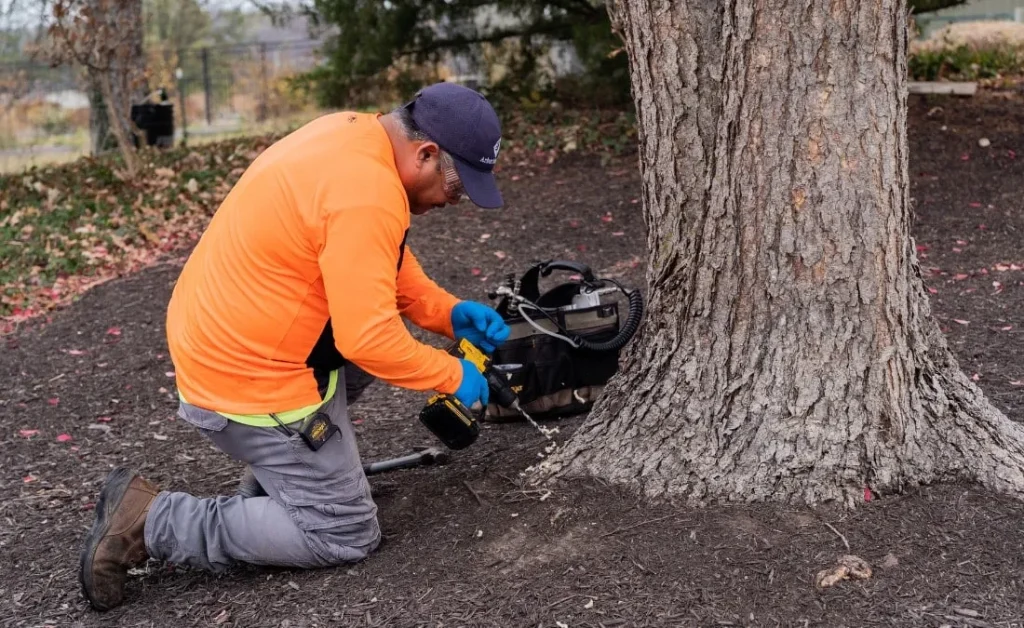
Credit: arbormasters.com
Good pest control for trees starts with one simple idea: stay ahead of the problem.
We do not want to wait until a tree looks weak or stressed. Instead, we watch the tree through each season. We check the leaves, bark, roots, branches, and fruit. We also look at nearby plants because pests can move between trees and shrubs.
Here is a simple way to remember it:
a) Look at the leaves.
b) Check the bark.
c) Watch the fruit.
Leaves often show the first signs of stress. Bark can reveal boring insects or bark beetles. Fruit can show damage from codling moth, apple maggot, and other fruit tree pests.
That small routine can make a big difference.
Spring: Start Before Pests Get Busy
Spring is the season of fresh growth. It is also the season when many pests wake up.
New leaves, buds, and blossoms are soft and easy to feed on. That makes spring one of the most important times for tree pest management. We should start by cleaning around the tree. Fallen leaves, old fruit, weeds, and dead branches can give pests a place to hide. Once the area is clean, we can inspect new growth closely. Spring is especially important for apple trees, citrus trees, stone fruit, and young trees. These trees can attract pests early in the season, so we need to watch them before damage spreads.
This is also a smart time to follow an IPM program. IPM stands for Integrated Pest Management. It focuses on smart prevention first. Instead of spraying without a plan, we identify the pest, understand its life cycle, and choose the safest effective step.
An IPM approach may include:
- Regular inspection
- Correct pest identification
- Better pruning and airflow
- Targeted treatment only when needed
Summer: Watch for Fast Pest Activity
Credit: treenewal.com
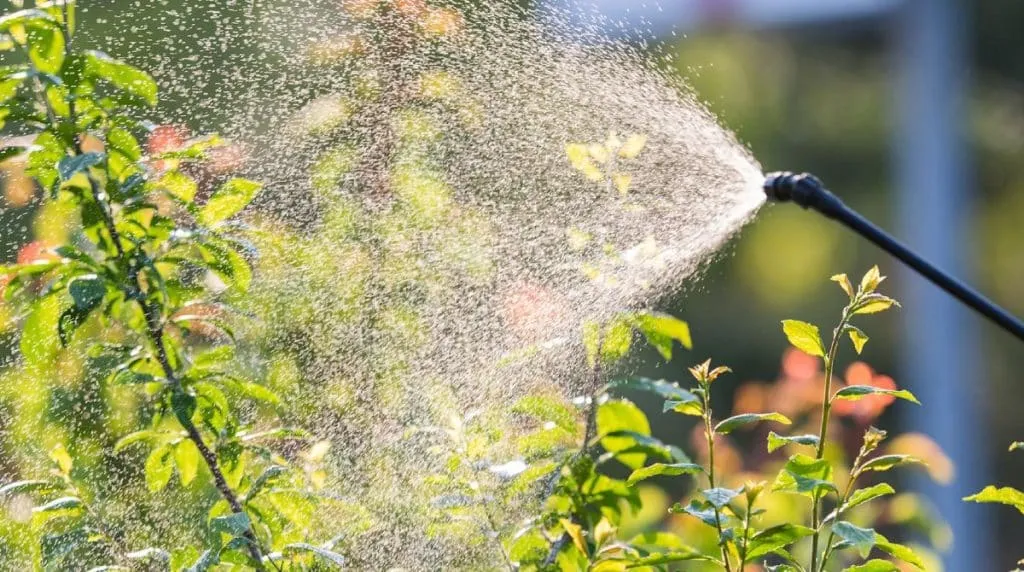
Summer is when pest activity can rise fast. Warm weather helps insects grow and spread. If we skip inspections, pest populations can increase before we notice them.
This is the time to watch for aphids, mites, beetles, caterpillars, scale insects, borers, and Japanese beetles. Fruit trees also need extra care because ripening fruit attracts more pests.
Look for quick warning signs like:
- Sticky or curling leaves
- Chewed fruit or leaves
- Small holes in bark
- Early fruit drop
For example, citrus tree pests may attack leaves, stems, and fruit. Pests on lime trees can cause sticky leaves and weak growth. Olive tree pests may affect fruit quality. An apple tree pest problem can lead to damaged fruit and poor harvests. This is also when many homeowners search for tree pest control near me because damage becomes easier to see.
Still, we should not rush into random treatments. First, we identify the pest, check the damage, and choose the safest option. Correct identification saves time, money, and trees.
Fall: Clean Up Before Pests Settle In
Fall is the cleanup season. It gives us a chance to reduce pest pressure before winter. Many pests survive in fallen leaves, damaged fruit, dead wood, and plant debris. If we leave that material around the tree, pests may use it as shelter.
In fall, we should:
- Remove fallen fruit
- Rake diseased leaves
- Prune damaged branches
- Check trunks for holes or cracks
Fall is also a good time to look at overall tree health. A healthy tree can handle stress better. Weak trees are easier targets for insects and disease. Good watering, proper mulching, and careful pruning all support better tree care. We should keep mulch a few inches away from the trunk so moisture does not sit against the bark. That simple step can help prevent rot and pest issues.
Winter: Inspect While Trees Rest

Credit: yavapailandscaping.com
Winter may seem quiet, but pest problems do not always disappear. Some insects overwinter in bark, soil, branches, or old debris. This is a good time to inspect tree structure. We can look for old wounds, scale insects, bark holes, cankers, and weak limbs.
During winter, check for:
- Cracks in bark
- Small trunk holes
- Dead or weak branches
- Scale insects
- Old pest damage
Winter is also helpful for pine tree pests identification because bark and branch issues can be easier to see when growth slows down. Pines, ash trees, fruit trees, and stressed landscape trees all deserve attention during this season.
If a tree looks weak, damaged, or unsafe, it may be time to contact certified arborists or trained pest professionals. The right expert can help decide whether the tree needs pruning, treatment, monitoring, or deeper care.
How to Protect Fruit Trees From Pests
Fruit trees are beautiful, but they need steady care. Sweet fruit attracts insects, birds, wildlife, and disease. If we want to know how to protect fruit trees from pests, we need to start before the fruit ripens. For a fruit tree, early inspection is everything. We should watch blossoms, young fruit, leaves, and branches. Small marks on fruit can become major damage later.
Apple trees often deal with codling moth and apple maggot. Citrus trees may attract scale, mites, aphids, and leaf miners. Stone fruit trees can face borers, beetles, and fungal problems.
A simple fruit tree routine can help:
- Pick up fallen fruit quickly
- Thin crowded fruit when needed
- Check leaves and fruit weekly
- Remove damaged fruit before pests spread
The goal is not to over-treat. The goal is to act at the right time. That is what makes pest management for trees more effective. When we understand the pest’s life cycle, we can treat before the worst damage happens.
Do Trees and Shrubs Affect Each Other?
Credit: seattletimes.com
Yes, they do.
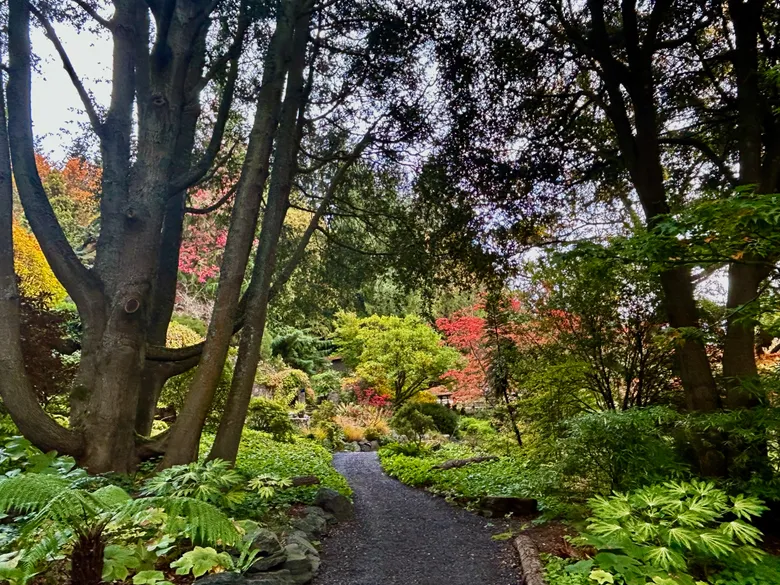
Our yard works like one connected system. Pests can move from shrubs to trees and from trees to nearby plants. Crowded growth can reduce airflow and create damp, shaded areas where pests and disease may spread faster. That is why we should not only inspect the tree that looks sick. We should also look around it.
Ask these simple questions:
a) Are shrubs touching the trunk?
b) Are branches too crowded?
c) Is water pooling near the roots?
These small clues can tell us a lot. Healthy spacing, clean pruning, and good airflow help protect both trees and shrubs.
Safer Tree Pest Control Matters
We all want pests gone. But we also want to protect people, pets, pollinators, and the environment.
That is why safer pest control matters. Some pesticide products can affect humans when they are used the wrong way. It is important to choose products carefully, follow labels, and avoid unnecessary spraying. A smart plan supports beneficial insects too. Lady beetles, lacewings, and other helpful insects can reduce pest pressure naturally. When we protect those helpers, the yard becomes more balanced.
This is why pest control for trees should be careful, targeted, and based on real pest identification.
What About Snakes Around Trees?
Credit: a-z-animals.com
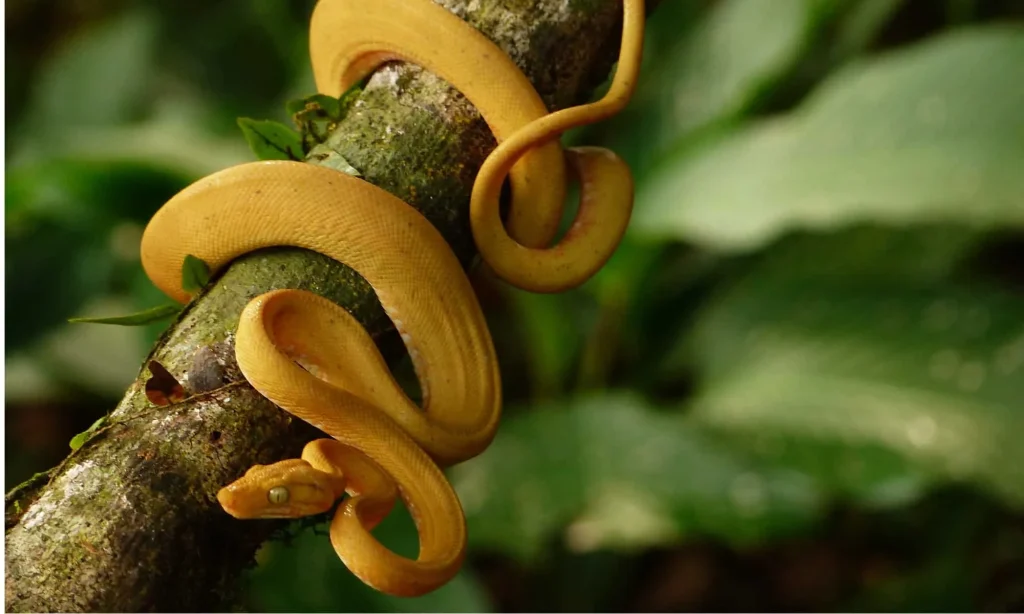
Trees, shrubs, mulch, and thick plant areas can also attract wildlife. Snakes may show up when they find shelter or food nearby. Most snakes want to avoid people, but it is still important to know what we are dealing with. If we are unsure whether a snake is dangerous, we should not get close.
Good yard maintenance can reduce hiding places and make outdoor areas feel safer.
When Should We Call a Professional?
Some pest problems are easy to monitor. Others need expert help.
We should call a professional when we see:
- Major leaf loss
- Deep bark holes
- Spreading dieback
- Repeated fruit damage
- Signs of bark beetles
We should also get help when we cannot identify the pest.
A trained professional can inspect the tree, identify the pest, understand its life cycle, and recommend the right treatment. This is important because timing matters. Treating too early or too late may not solve the problem.
Our Simple Tree Protection Formula
We can make tree protection easier with a simple plan:
a) Inspect before pests spread.
b) Identify the pest correctly.
c) Protect tree health all year.
That is the heart of pest control for trees.
When we stay consistent, we reduce stress on the tree. We also lower the chance of major damage. Strong roots, clean branches, healthy soil, and proper watering all help trees defend themselves.
The Bottom Line
As we wrap up, trees are worth protecting. They bring shade, fruit, beauty, and life to our outdoor spaces. But they need steady care to stay strong. The best pest control for trees is not about reacting in panic. It is about watching, preventing, and acting with purpose. When we inspect each season, understand pest signs, protect beneficial insects, and choose safer solutions, we give our trees a better chance to thrive. Whether we are caring for citrus trees, apple trees, olive trees, pines, ash trees, or stone fruit, the plan stays simple.
Protect early. Treat wisely. Keep trees healthy.
FAQs
Let’s head towards some of your questions.
What is the best pest control for trees?
The best method starts with inspection, correct pest identification, prevention, and targeted treatment when needed.
How often should we inspect trees for pests?
We should inspect trees at least once a month. Fruit trees may need weekly checks during spring and summer.
How do we protect citrus trees from pests?
We should check leaves, stems, and fruit often. We should remove damaged growth and use targeted treatments for specific citrus tree pests.
What are signs of bark beetles?
Common signs include small bark holes, sawdust-like material, sap, fading leaves, and branch dieback.
Can healthy trees still get pests?
Yes. Healthy trees can still attract pests, but strong tree health helps reduce serious damage.