If you’ve dealt with grubs before, you know the feeling. It’s frustrating and expensive. And it feels personal. But here’s what most people don’t tell you: a grub problem isn’t a sign of failure. It’s just a sign you didn’t know what to look for. Those white, C-shaped larvae live beneath your grass. They destroy roots slowly, and suddenly your lawn becomes a disaster. But the good news is that grub prevention in lawns works. And you can start today. You just need to know what grubs are, when they strike, and how to stop them before the damage piles up.
What Are Grubs in the Lawn, Anyway?
Credit: fairwaygreeninc.com
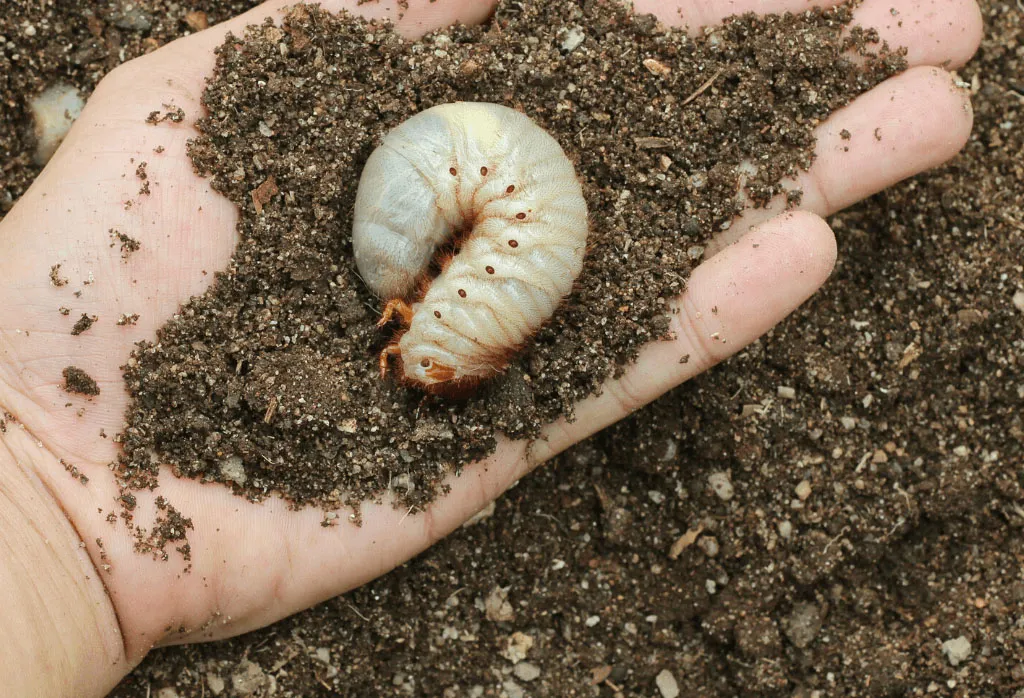
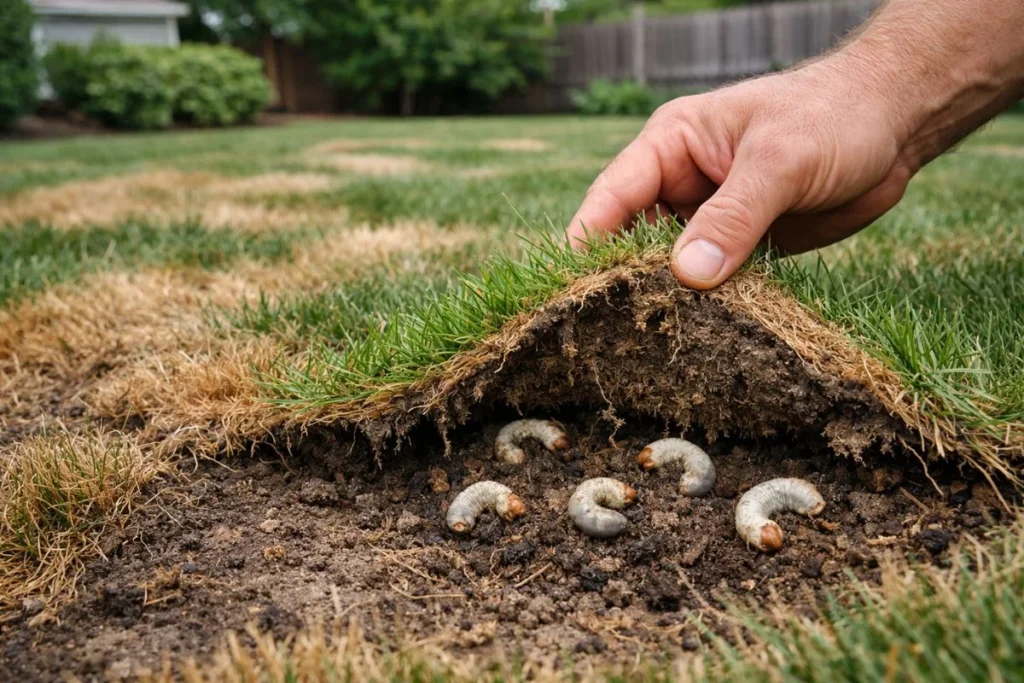
Grubs in lawn environments are the larval stage of beetles. Common culprits include Japanese beetles, June bugs, and European chafers. They live underground, feed on your grass roots, silently and invisibly, until it’s too late.
They’re white, squishy, and shaped like a “C.” They’re roughly the size of a finger joint. Beetles lay eggs in your lawn during the summer. Those eggs hatch into young grubs. Then the grubs feed on roots just below the surface.
Come winter, they go deeper into the soil to survive the cold. In spring, they come back up briefly, feed a little more, then transform into adult beetles. Those beetles fly off, mate, and lay eggs again. The cycle continues.
There’s another issue, too. Grubs feed on your grass roots, and this attracts wildlife. Skunks, raccoons, and birds will tear your lawn apart looking for them. So one problem quickly turns into two.
How to Spot Grub Damage in Your Lawn Early
Catching grubs in lawn situations early is key. Here’s what to watch for:
- Brown patches or yellow sections that don’t respond to watering
- Grass that rolls or lifts up like a loose carpet
- Soft, spongy sections in your healthy lawn
- Unusual bird or wildlife activity in specific areas
- Dead patches of grass appear in late summer or fall
Quick warning, though; drought, disease, and fungus can mimic signs of grubs. Don’t assume, confirm first.
The Simple Grub Test: It Takes 5 Minutes
Credit: newlawnturf.com.au
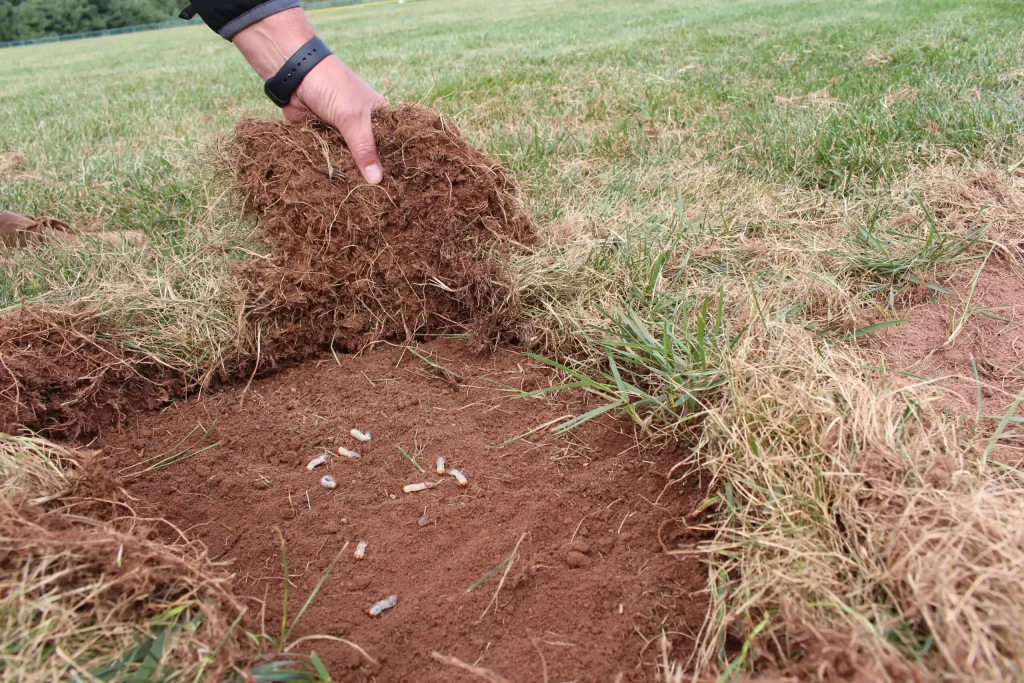
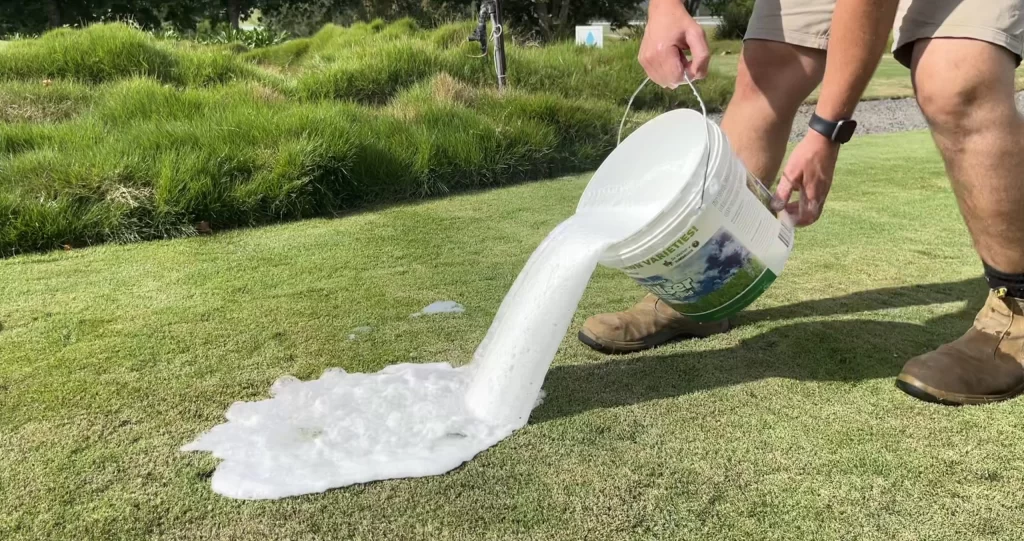
Here’s exactly how to get rid of grubs in the lawn: start by confirming they’re actually there. Grab a shovel and spend five minutes.
- Find a suspicious brown or spongy area.
- Cut a 1-foot square section of turf about 3 inches deep.
- Peel it back; grub-damaged turf lifts easily.
- Count the white, C-shaped larvae in the soil underneath.
- Repeat in two or three other spots for accuracy.
- Gently replace the turf when you’re done.
Now here’s how to read your findings:
- 0–5 grubs per square foot: You are fine. Healthy lawn grass handles this.
- 6–9 grubs per square foot: Watch closely. Treat if the lawn is already stressed.
- 10+ grubs per square foot: Serious grub infestation. Treatment is needed now.
Don’t skip this step. Applying insecticide without confirming grubs is wasteful, and it’s also unnecessary chemical use. Always dig first.
Why Timing Is Everything for Grub Control in Lawn
Here’s where most homeowners mess up. They treat it at the wrong time. Then they wonder why it didn’t work.
Grubs are easiest to kill when they’re young and small. That’s your golden window. Miss it, and you’re playing catch-up.
Here’s the grub life cycle in plain terms:
- June–July: Adult Japanese beetles lay eggs in your lawn.
- July–August: Eggs hatch into tiny young grubs.
- August–October: Grubs feed heavily on roots near the surface.
- November–February: Grubs burrow deeper to survive the winter.
- March–May: Grubs return briefly to feed before pupating into beetles.
The best time to prevent grub damage is before eggs hatch. That means acting in spring or early summer. Not after you see brown patches.
5 Lawn Habits That Naturally Deter Grubs
Credit: ascendlawnlandscape.com
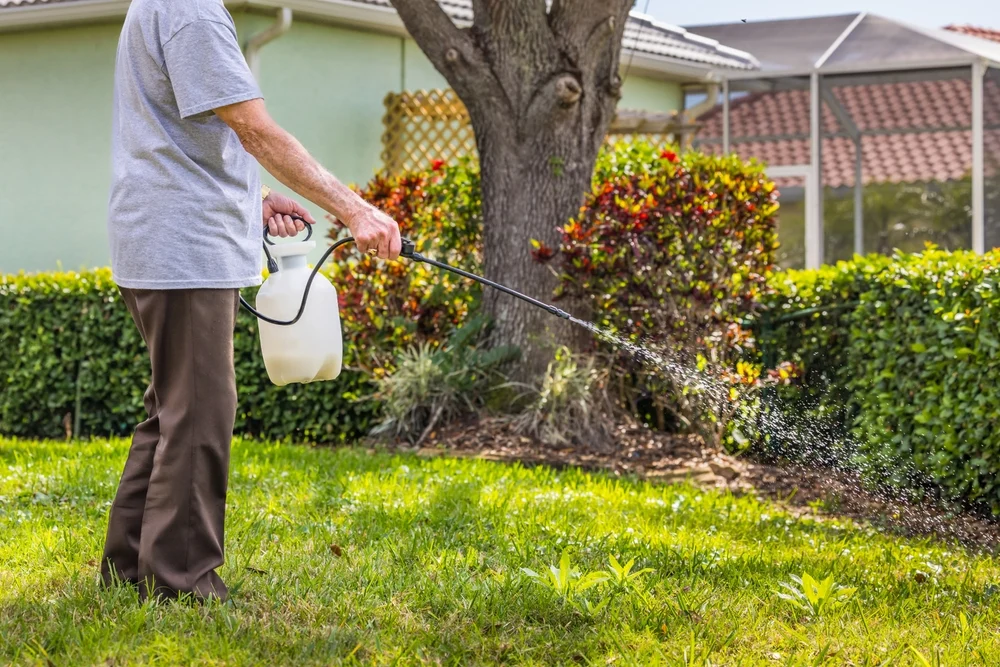
A healthy lawn is your best first defense against lawn pest problems. These habits make your yard less attractive to grubs. No chemicals required.
Mow High
Keep your grass at 3 to 4 inches tall. Taller grass grows deeper roots. Deeper roots are much harder for grubs to destroy. This single lawn care habit makes a real difference.
Water Smart, Not More
Beetles love moist soil for laying eggs. Cut back on watering during July and August. Water deeply but infrequently instead. Drier soil during egg-laying season means fewer eggs survive. If your lawn can tolerate going dormant in summer, let it.
Aerate Every Year
Compacted soil is a grub paradise. Aeration breaks up that hard, packed layer. It disrupts grub habitats. It also improves root depth and water absorption. Schedule core aeration once a year; spring or fall works great.
Dethatch When Needed
Thatch is the layer of dead grass sitting between the soil and the living grass. When it gets thicker than half an inch, it traps moisture and invites lawn pest activity. Keep it in check. It also helps any treatments you apply reach the soil more effectively.
Overseed With Grub-Tolerant Grass
No grass variety is completely grub-proof. But some handle it better than others. Tall fescue has deep roots and strong drought tolerance. It can withstand more grubs per square foot before showing damage. If your area gets hit hard every year, overseed it.
Preventive Treatments: What Works and When to Apply
Credit: tropicalgardenslandscape.com
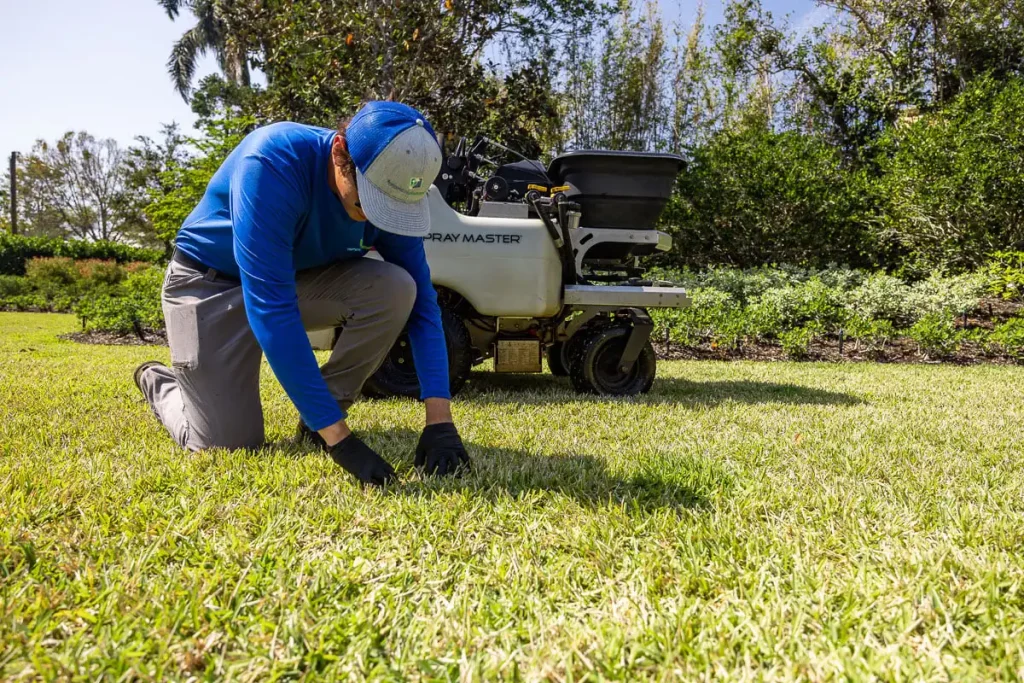
If you’ve had grub damage in lawn situations in the past, preventive treatments are worth it. Think of it as lawn insurance.
The best window is April through early July. But the exact timing depends on the product you’re using.
Here’s what actually works:
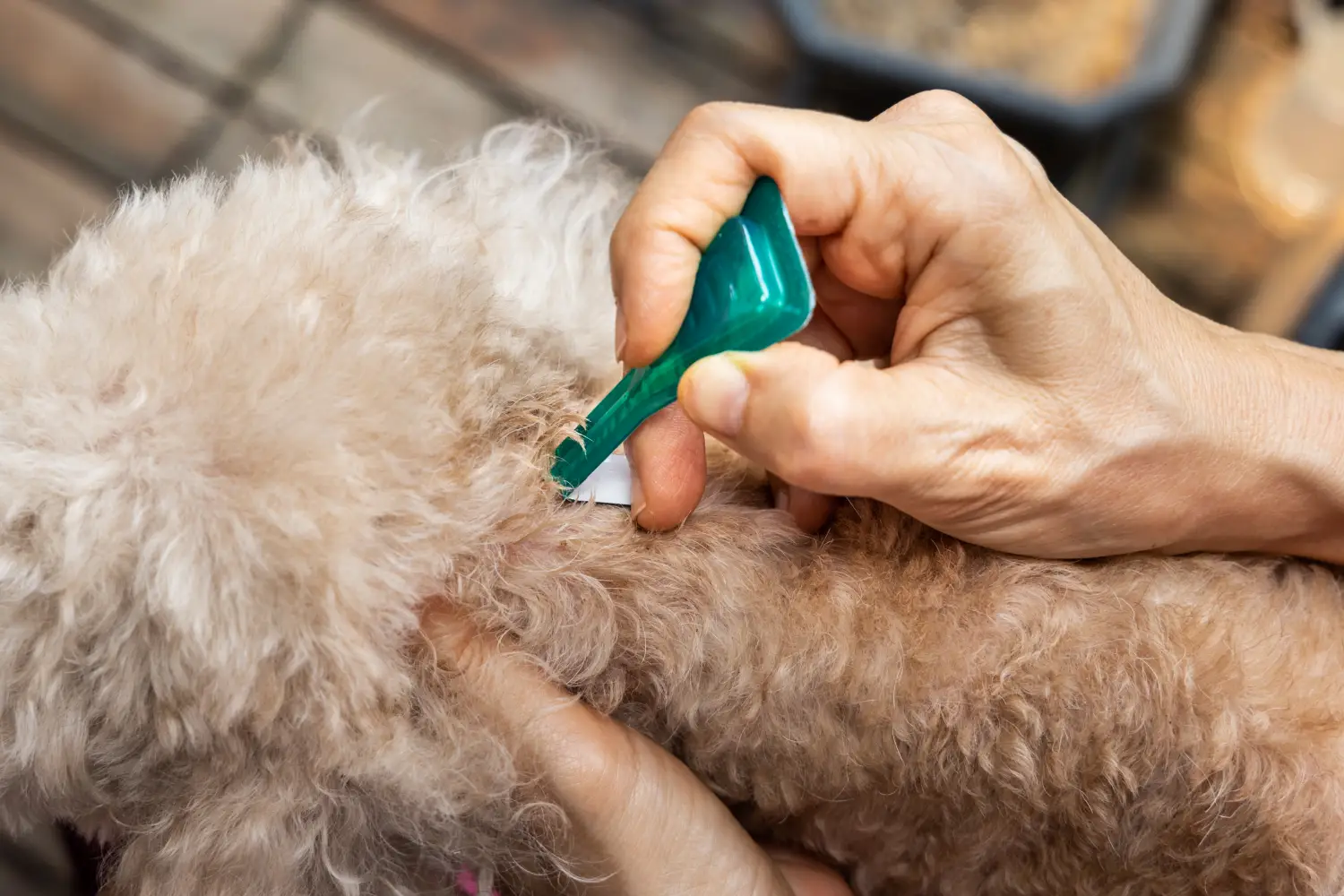
- Chlorantraniliprole: Found in Scotts GrubEx and Acelepryn. Apply preventive products in April or May. It moves slowly through soil, so it needs more time to reach root zones. Earlier is better here.
- Imidacloprid, thiamethoxam, clothianidin: Apply in June or July. These are faster-acting. Applying them too early lets them degrade before grubs even hatch.
One thing to understand: preventive treatments don’t stop beetles from laying eggs. They stop grubs from feeding and causing damage. That’s a critical distinction. You might still see grubs if you dig after applying. But they won’t destroy your lawn.
Always water your treatment immediately. You need at least half an inch of irrigation right after application. This moves the chemical down to where the grubs will be feeding. Without water, the product just sits on top and loses effectiveness.
Also, mow your lawn before applying insecticide. This protects bees by removing weed flowers from the spray zone.
Curative Treatments: What to Do If Damage Has Already Started
Credit: lawnvista.com
Prevention is always the better path. But sometimes you miss the window. If you’re wondering how to treat grubs in the lawn after damage appears, curative options can help.
If grubs are already active and damaging your lawn, curative treatments for grub control in the lawn can help. These work on existing larvae in late summer or fall.
Look for products with trichlorfon or carbaryl as the active ingredient. These are fast-acting. Most are labeled as “24-hour grub killers” at hardware stores. This is the best treatment for grubs in the lawn when you’re already seeing dead patches.
- Best application window: mid-August through September. Water the product in immediately. Don’t delay; it needs to penetrate the soil fast to reach the feeding grubs.
- Important: Don’t apply curative products after May 15 in the spring. By late spring, grubs stop feeding and prepare to pupate. The product won’t reach them in time. You’d just be wasting money.
- One more thing: dead patches won’t recover on their own after treatment. You’ll need to reseed or overseed those damaged areas to get your lawn looking full again.
Natural Options Worth Knowing About
Not everyone wants to use synthetic insecticides. That’s completely fair. Here are the organic alternatives for grub control in the lawn that actually work:
- Beneficial Nematodes: Microscopic worms that hunt and kill grubs underground. Apply when soil temperatures are above 60°F. Keep the soil moist for best results.
- Milky Spore: Bacillus popilliae is a naturally occurring bacterium targeting Japanese beetle grubs specifically. It takes one to three years to establish in the soil. But once it does, milky spore provides long-term natural control.
- Neem Oil: Disrupts grub growth and development. Works best on smaller infestations. Mix with water and apply in late summer or early fall.
- Encourage Natural Predators: Robins, starlings, ground beetles, and ants all feed on grubs. Welcoming them into your yard naturally keeps populations in check.
These options aren’t overnight fixes. But combined with healthy lawn habits, they’re genuinely effective over time for controlling grubs naturally.
But if you have a grub problem that’s out of control? The team at Bug Lady specializes in grub control in lawn situations and comprehensive pest control for lawn health. Get professional pest management done right before small problems become big ones.
Your Year-Round Grub Prevention Game Plan
Grub prevention in lawns isn’t seasonal; it’s a year-round mindset. Here’s a simple seasonal breakdown to keep you on track:
- Spring: Inspect for surviving grubs. Aerate and fertilize to strengthen roots. Apply preventive products in April or May if you’re in a high-risk area.
- Summer: Pull back on watering in July and August. Apply imidacloprid-based products in June or July if needed. Watch for early signs of grub activity.
- Fall: Do a grub check in August or September. Apply curative treatment if counts are high. Overseed and repair any grub holes in the lawn or damaged areas.
- Winter: Grubs are dormant and deep in the soil. Use this downtime to plan next season’s prevention strategy. Schedule aeration and any professional services early.
Stay consistent. A healthy lawn that’s well-fed and properly aerated is already doing half the work for you.
Final Remarks
Grubs are sneaky. They do their worst work underground, out of sight, until the damage is hard to ignore.
But now you know what to look for, how to get rid of grubs in lawn environments, when to act, and what to use. That’s already more than most homeowners ever learn about grub prevention in lawns.
Take care of your lawn all year, and it’ll take care of itself.
Frequently Asked Questions
Here’s a roundup of questions we get asked the most about grub prevention.
When is the best time to apply grub prevention treatment?
April through early July is your window. Apply chlorantraniliprole in April or May. Use imidacloprid or similar products in June or July. Timing depends on the product; always read the label.
How many grubs per square foot is actually a problem?
Finding a few isn’t cause for alarm. A healthy lawn handles up to 5 grubs per square foot just fine. At 10 or more, treat the entire lawn immediately. This threshold helps you decide when control grub treatment is actually necessary.
Can my lawn recover from grub damage?
Yes, absolutely. With proper strategies, aeration, overseeding, and consistent pest control for lawn care, most lawns bounce back well. The sooner you catch the grub infestation, the easier the recovery.
Do I need to treat for grubs every single year?
No. Only treat if you’re finding damaging grub levels. If your lawn looks healthy and your grub count is low, skip it. Unnecessary pesticide use is never the goal. Grub worms in the lawn may appear, but not all situations require chemical intervention.
Are natural grub treatments as effective as chemical ones?
For long-term prevention, yes, especially nematodes and milky spore. They take longer to establish but are sustainable. For active, severe grub infestation cases, chemical curative products kill grubs faster and more reliably.