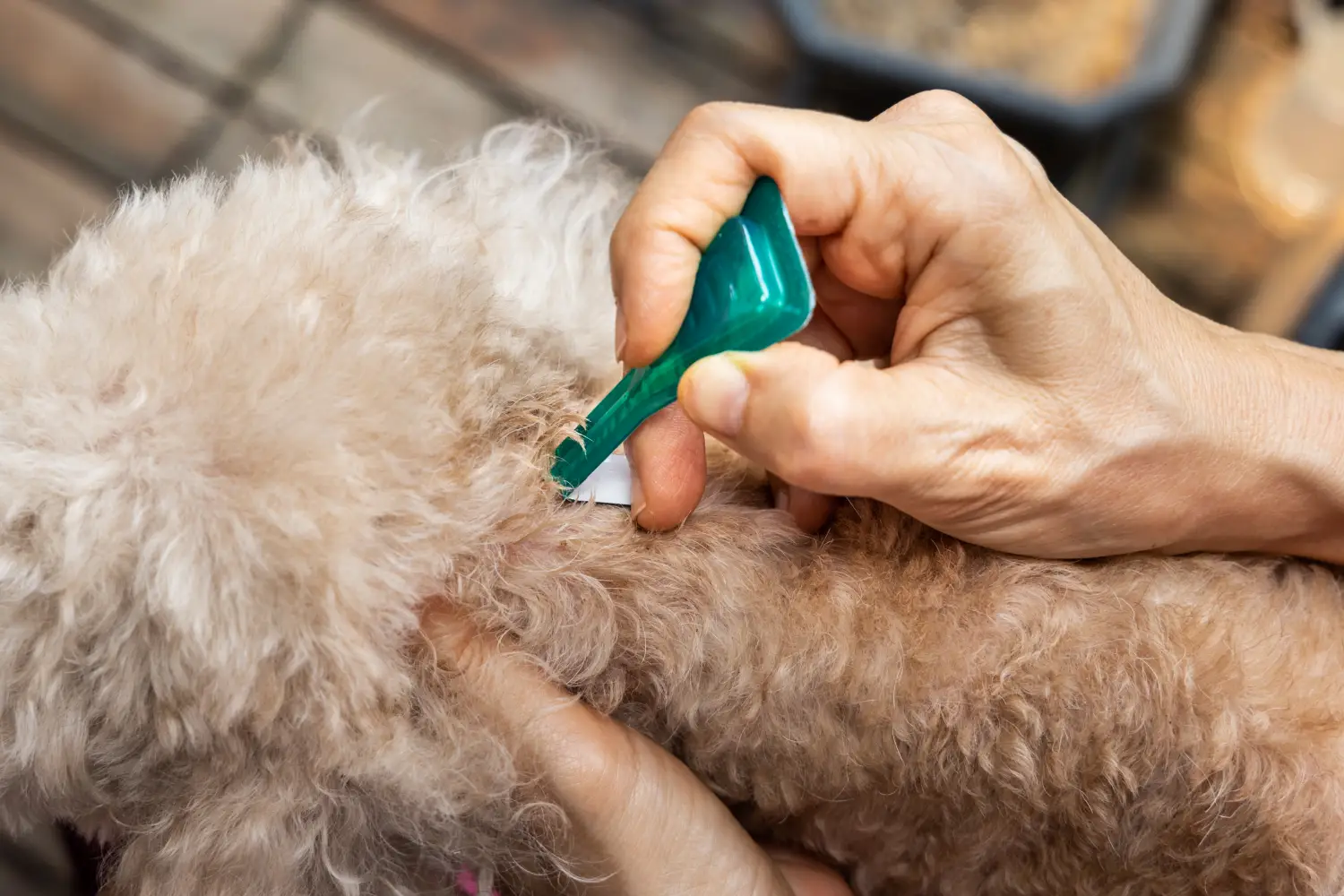
Your pup won’t stop scratching. Your cat’s fur looks rough and patchy. And you’re pretty sure those tiny white specks stuck to their hair aren’t dandruff. Welcome to the club nobody wants to join, pet lice hell. 😬 But here’s the thing: you’re not alone. And more importantly? It’s fixable. Whether your dog’s dealing with dog lice treatment needs, your cat’s got lice treatment for pet issues, or you’re worried about your feathered friend’s pet bird lice treatment, we’ve got the playbook. No judgment. No panic. Just straightforward solutions to get your furry (or feathered) family member back to being their happy, comfortable self.
What Are Pet Lice? (And Why They’re Not Fleas)
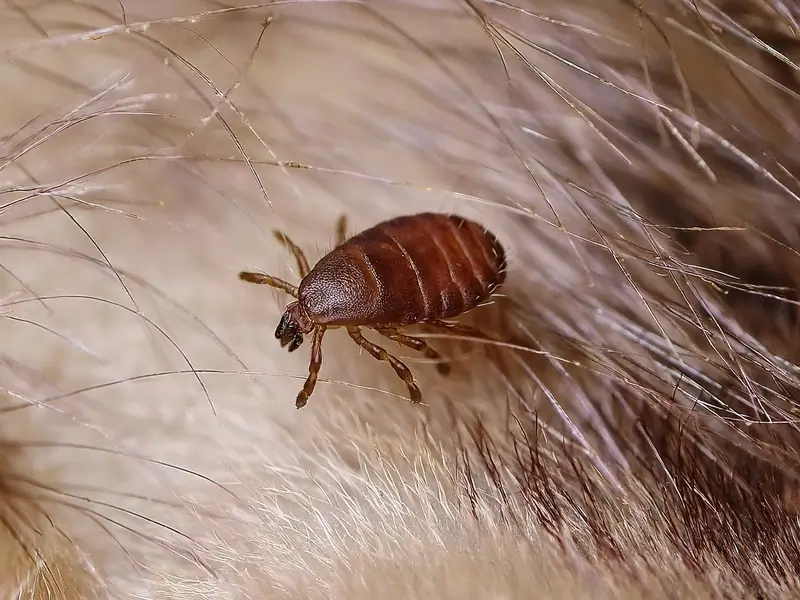
Lice are tiny, wingless parasites that live only on your pet. Unlike fleas, they don’t jump; they crawl. And here’s the good news: they’re species-specific. Your dog’s lice won’t bother you, your cat, or even your pet rat.
There are two types of lice that affect dogs and cats:
- Chewing lice (Trichodectes canis in dogs): Munch on skin flakes and oils. They cause irritation and can even spread tapeworms.
- Sucking lice: Feed on blood. Heavy infestations in puppies or small pets can lead to anemia.
Signs Your Pet Has Lice (Don’t Mistake It for Dandruff!)
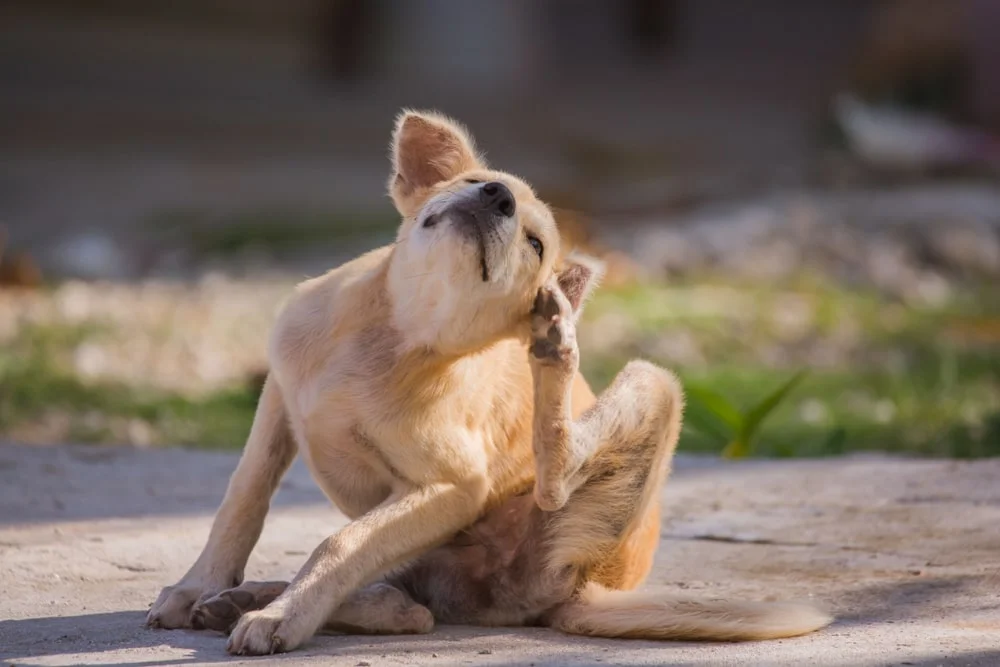
Credit: metlifepetinsurance.com
Here’s how to spot the problem:
- Intense itching and scratching (way worse than usual)
- Rough, dry, or matted coat (like they’ve been rolling in dirt)
- Hair loss (especially around ears, neck, shoulders, and groin)
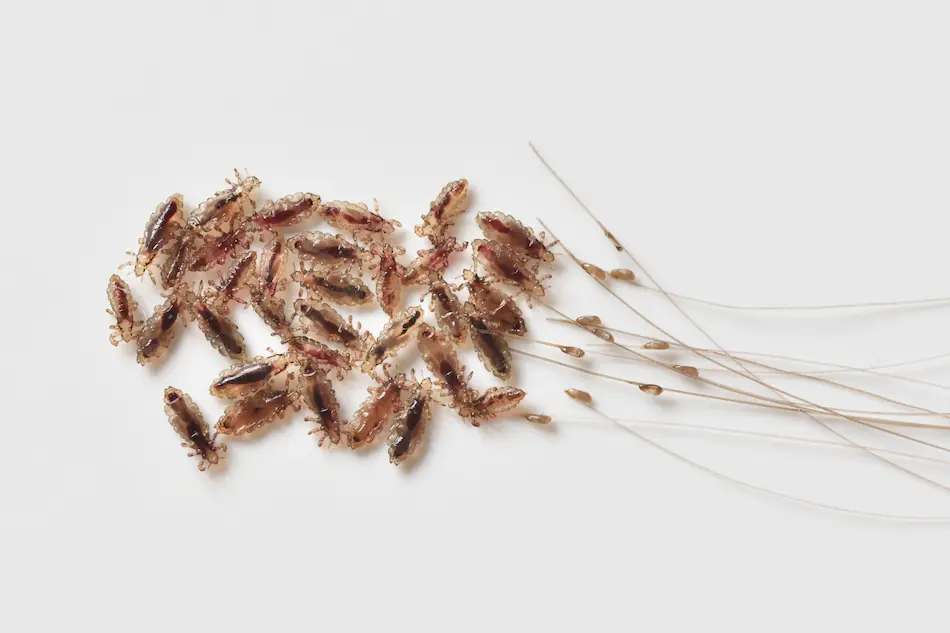
- Visible bugs or eggs; adult lice look like tiny sesame seeds.
- Nits (lice eggs) look like white specks glued to hair shafts (unlike dandruff, which falls off easily).
- Restlessness: Your pet can’t seem to get comfortable.
Pro Tip: Part your pet’s fur and look closely with a flashlight. If you see tiny bugs crawling or white eggs stuck to the hair, it’s time for pet lice treatment.
Who’s at Risk?
Lice love pets who:
- Are young, old, or sick (weak immune systems = easy targets)
- Live in crowded spaces (kennels, shelters, multi-pet homes)
- Aren’t on regular flea prevention (monthly treatments often cover lice too!)
- Have long or matted fur (more hiding spots for bugs)
Pet Lice Treatment: What Actually Works
Credit: licedoctors.com
We don’t believe in half-measures. Here’s our no-nonsense approach to pet lice treatment:
i. Confirm It’s Lice (Not Fleas or Mites)
We’ll inspect your pet’s fur and skin to make sure we’re treating the right pest. (Spoiler: Flea dirt looks like black specks that turn red in water. Lice eggs are white and stuck to hair.)
ii. Choose the Right Treatment
Not all products work the same. Here’s what we recommend:
For dogs
- Topical spot-ons (fipronil, imidacloprid, and selamectin): These are often in your pet’s flea and tick prevention.
- Isoxazolines (fluralaner, afoxolaner): One or two doses can wipe out lice for good.
- Insecticidal shampoos (pyrethrins): Great for quick relief.
Cats
- Selamectin or fipronil: Safe and effective.
- ⚠️ NEVER use permethrin on cats; it’s toxic to them!
For pet rats and small animals
- Gentle, vet-approved treatments: Small pets need special care. Pet rat lice treatment and rat lice treatment pets at home require products made just for them.
For birds
- Avian-safe products only; pet bird lice treatment is delicate. Always consult an exotic vet.
iii. Treat ALL Pets in the House
Lice spread through contact. If one pet has it, others might too. Treat everyone at the same time, even if they’re not scratching yet.
iv. Repeat in 7–10 Days
Here’s the secret most people miss: Lice eggs (nits) survive the first treatment. The second round catches the newly hatched lice before they lay more eggs.
v. Clean EVERYTHING
- Wash bedding, collars, and leashes in hot water.
- Vacuum carpets, furniture, and pet areas thoroughly.
- Disinfect grooming tools (or replace them if they’re infested).
- Seal and toss the vacuum bag immediately.
Quick Hack: Lice die within a few days off the host, but why take chances? Deep clean to break the cycle.
The Bottom Line
Ready to kick that itch to the curb? Pet lice treatment doesn’t have to feel like a never-ending battle. With the right moves, your pet can go from miserable to merry in record time. Here’s your action plan: Inspect your pet for lice or nits, call us for a professional assessment, treat all pets in the house, clean everything from bedding to grooming tools, and repeat treatment in 7–10 days to catch newly hatched lice.
Let’s get your furry friend back to their happy, scratch-free self fast.
FAQs
Time to answer a few of your pet lice treatment queries.
Can I get lice from my pet?
Nope! Pet lice are species-specific. Your dog’s lice won’t live on you, and your kid’s head lice won’t jump to your cat.
How do I treat lice on my pet rats?
Pet rat lice treatment requires vet-approved products. Never use dog flea treatments on rats, it can be deadly. For lice treatment for pets at home, always check with a pro first.
Can pet lice treatment cause an allergic reaction?
Rarely, but some pets are sensitive. If your pet has had a pet lice treatment allergic reaction before, let your vet know so they can recommend safer options.
Do I need to treat my home for lice?
Yes! Wash bedding, vacuum thoroughly, and clean grooming tools. But skip the foggers; they’re overkill for lice.
Are over-the-counter products enough?
Sometimes, but professional pet lice treatment is faster, more thorough, and includes follow-ups to break the egg cycle. Plus, we know where lice hide (and how to find them)
Fun Fact: Many flea and tick preventatives also protect against lice. If your pet is already on a monthly regimen, you’re already ahead of the game! Check out our pest control for ticks service page for more on keeping pests away.