Basements. They’re quiet. They’re secluded. Almost like they’ve got a secret life of their own down there. But here’s the thing — that very isolation makes them a magnet for pests. When moisture sneaks in, clutter piles up, or cracks go unnoticed, suddenly your basement turns into the perfect hangout for creepy crawlers. I’ve seen it happen: You walk down there to grab something, only to find it’s turned into a buffet for unwelcome guests. From damp corners to hidden cracks, basements become an all-you-can-eat (and hide) spot for pests. So let’s dive in together and explore these common basement pests. I’ll show you where they’re lurking, why they love basements, and — most importantly — how you can stop them from making themselves at home.
Whether you’re using your basement for storage, laundry, or leaving it untouched for months — it’s time to take action. Let’s get your basement pest-free!
Who’s Creeping Around Downstairs?
When you think of basement pests, the usual suspects come to mind. But it’s worth knowing the difference — because treatment and prevention depend on identifying the right intruder.
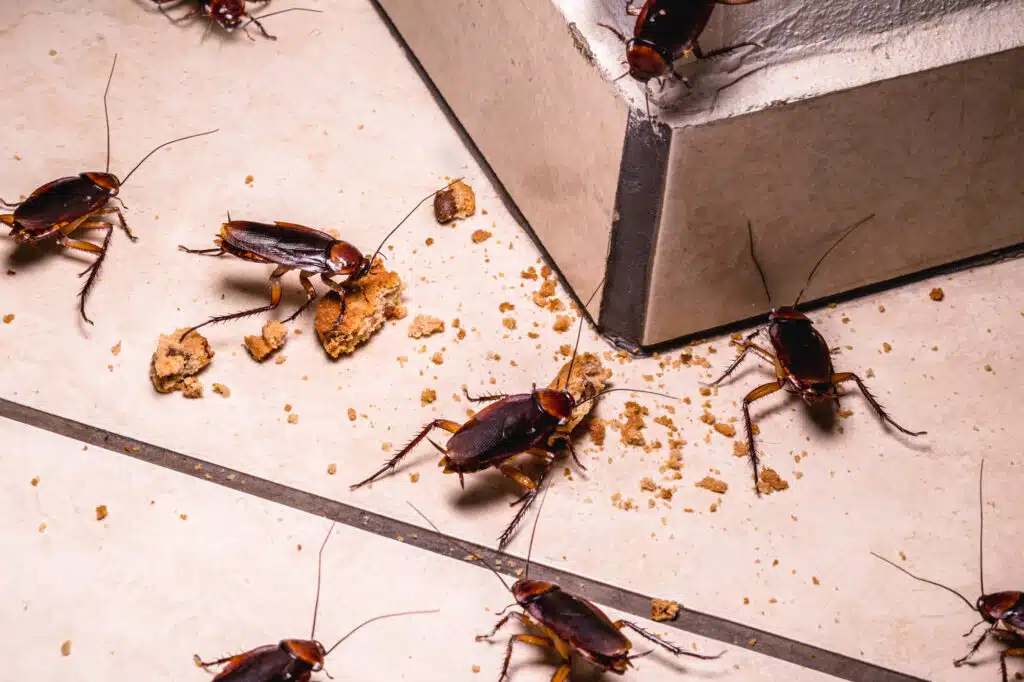
- Cockroaches — Among the most hated basement residents. In particular, the Oriental cockroach loves damp, cool spots below ground or near drains. These roaches feed on decaying organic stuff and leftover food crumbs.
- Young roaches — like German cockroach nymphs and other juvenile roaches — sneak into kitchens, storage rooms, and basements in search of warmth, water, and food. They breed fast and hide deep.
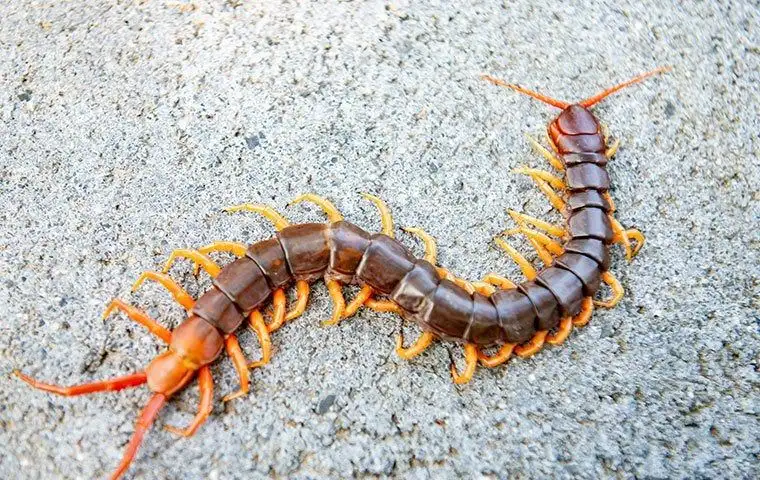
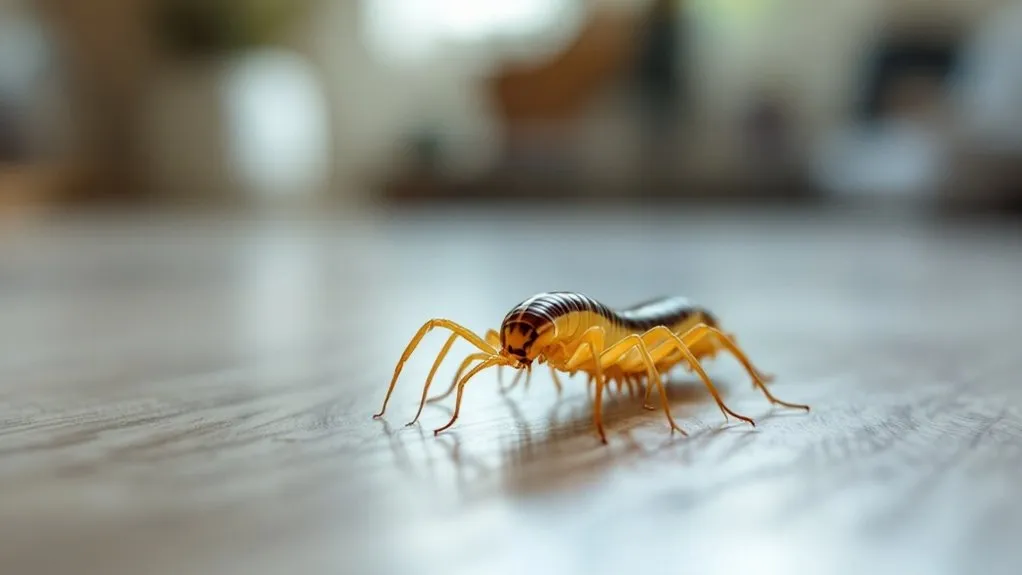
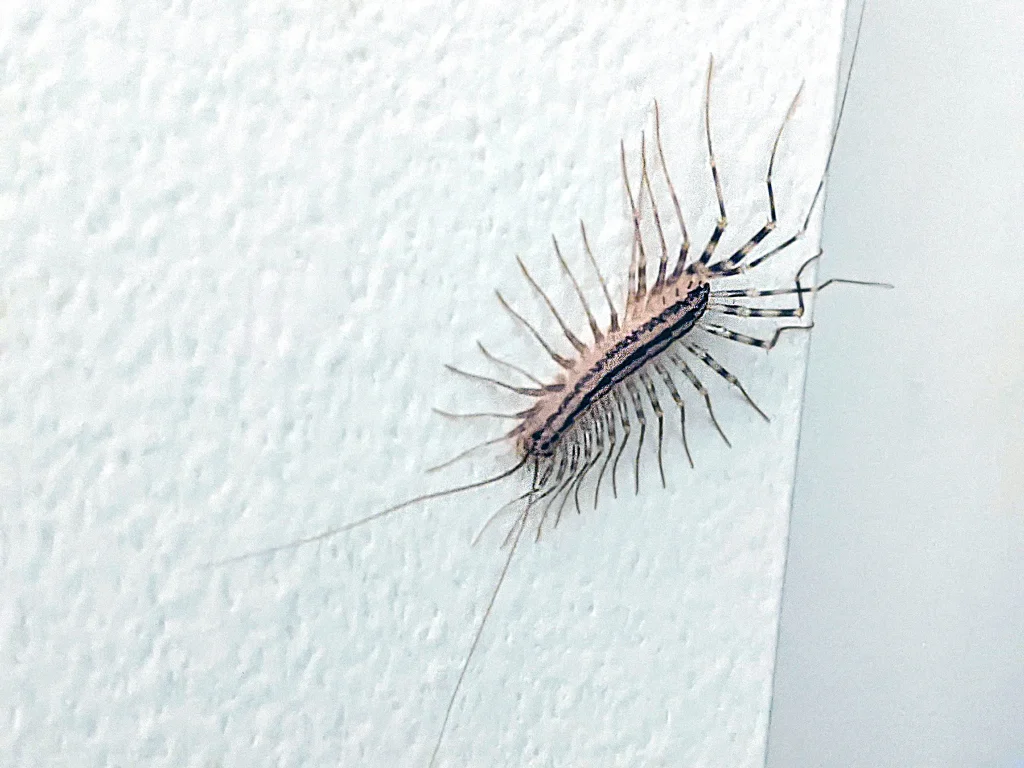
- Centipedes — Especially the long‑legged Scutigera coleoptrata. These slender predators appear in damp basements, often chasing down smaller insects.
- Spiders — They may arrive looking for prey or simply wander in through small cracks. They set up shop behind boxes, along baseboards, and near pipes or windows.
- Other pests — damp-loving insects, small flies, maybe even mice or other rodents, depending on how open your basement is.
Each of these critters may seem harmless alone. But once they start breeding, nesting, or sharing space — that’s when you get real trouble: cockroach infestations, hidden nests, droppings, and constant midnight scuttling.
Why Basements? What Draws Them In
Credit: bug.news
So, why do pests love basements so much? It’s simple: basements have everything pests crave. Let me break it down for you.
Moisture and Darkness
Basements tend to be damp. Pipes leak. Drain traps dry out. Dark corners stay untouched for months. That’s prime territory for Oriental cockroaches and centipedes. Moisture also makes wood, cardboard, or stored items more inviting.
Food & Shelter Nearby
Even if you don’t eat down there, small scraps, old cardboard boxes, and damp paper — all can be a food source. Once roaches or insects arrive, “food” gets very loosely defined. Likewise, clutter and piled‑up storage are perfect hiding spots.
Easy Entry Points
Cracks in the foundation and gaps around pipes, drains, windows, or loose doors are open invitations. Many pests don’t need a big gap — even a tiny opening or gap around plumbing is enough.
Opportunity for Growth
Once pests enter, they don’t just pass through — they stay. Warmth, dampness, food sources, and shelter allow them to hide, breed, and multiply. That leads to recurring problems.
Why “Basement Pest Control” and “Pest Control for Basements” Matter
Since basements are so prone to pest problems, just cleaning once isn’t enough. You need a focused, targeted approach designed for below‑ground spaces. That’s why when you search for pest control for basement or pest control for basements, you want experts who understand the challenge.
Professional basement pest control pays attention to:
- vulnerability at entry points — cracks, drains, windows, foundation gaps
- dampness and moisture — sealing leaks, ensuring proper drainage, ventilation
- hidden hiding spots inside cluttered corners
- persistent invaders such as roach nymphs, oriental cockroaches, centipedes, spiders
That way, you not only remove the pests but also make your basement much less inviting.
Smart DIY Moves: How to Keep Your Basement Pest‑Free
Credit: 247pestcontrol.co.uk
You don’t always need harsh chemicals. Often, prevention and cleanliness do the trick. Here’s how experts recommend handling basement pests.
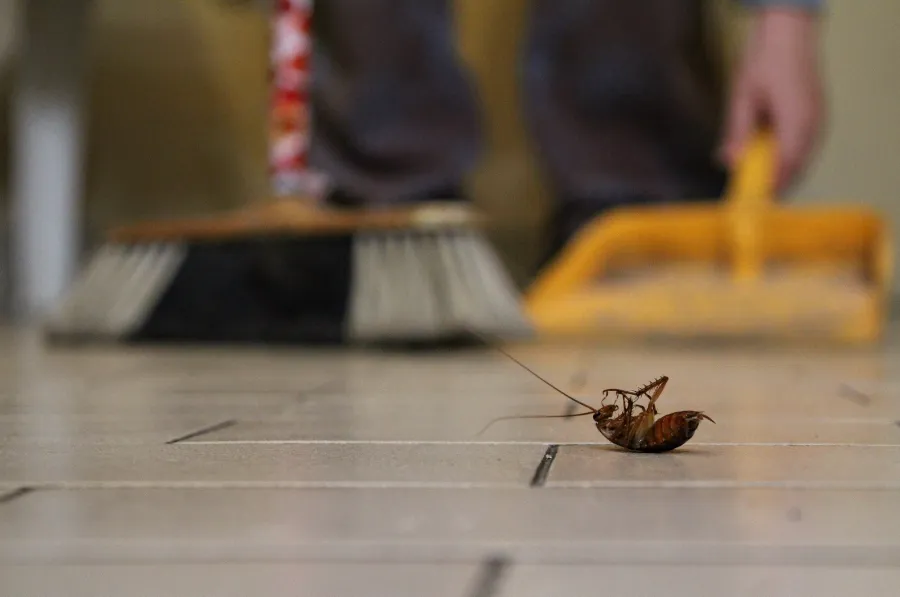
Clean & De‑Clutter
- Remove old boxes, cardboard, and unused items. Clutter equals hiding spots.
- If you store things — use sealed plastic containers rather than cardboard.
Dry Things Out
- Fix leaks around pipes or windows.
- Use a dehumidifier if the basement stays damp. (A damp basement attracts pests.)
- Make sure floor drains stay filled with water to block insects or rodents from entering through drains.
Seal & Close Entry Points
- Caulk cracks and gaps in walls, floors, and around pipes.
- Seal windows and doors tightly. Use door sweeps if needed.
- Cover drains with screens or grates.
Cut Off Food & Water Sources
- Store any stored food (or pet food) in airtight containers.
- Don’t leave trash lying around. Empty bins regularly.
- Clean up spills or crumbs quickly. Even small bits attract roaches.
Maintain Regular Cleaning
- Sweep or vacuum regularly — especially corners, behind things, and under shelves.
- Inspect the basement periodically for new cracks, moisture, leaks, or signs of pests.
Together, these steps make your basement less attractive — reducing the chance pests will settle in.
When DIY Isn’t Enough — Seeking Professional Pest Control
Sometimes pests are too established. Or they come from unexpected hiding spots. Or there are unknown entry points. That’s when you want professional pest control.
Companies that specialize in basement pest control know how to:
- Locate and seal elusive entry points (foundation cracks, gaps around pipes, and drains).
- Treat hiding spots such as wall voids, behind baseboards, and under stored items.
- Target persistent threats like cockroach infestations, centipedes, or spiders.
- Provide follow‑up visits and preventive maintenance.
If you find pests regularly despite your efforts — or if you spot baby cockroach nymphs, adult oriental cockroaches, or multiple centipedes — it may be time to call in professionals.
What Each Pest Tells You (and What It Means)
Credit: outdoorguide.com
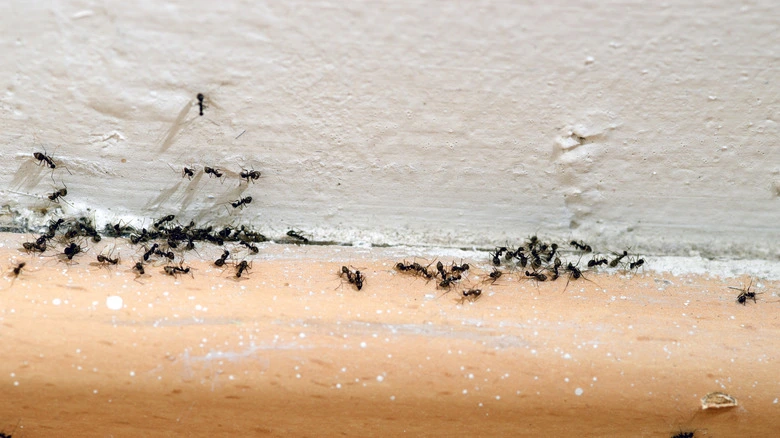
- Oriental cockroaches — Their presence usually signals dampness, moisture problems, or easy access to drains. If you see them, check your drains, sump pump, or damp corners.
- German cockroach nymphs / baby cockroaches — They point to more than a stray visitor: a likely cockroach infestation. You must act fast before their numbers explode.
- Scutigera coleoptrata (dusty centipedes / house centipedes) — They often mean there are other insects hiding (roaches, silverfish, spiders) — because centipedes hunt them. Their presence suggests a deeper ecosystem of pests.
- Spiders — Spiders feed on other pests. If you have spiders, that often means those other pests are present too. Fixing their entry points and removing their “prey” usually solves the spider problem.
Why Basement Pest Problems Are Risky
- Health hazards: Cockroaches can carry bacteria and trigger allergies or asthma.
- Property damage: Persistent moisture + pests can damage stored items, cardboard, wooden furniture, or even structural wood if conditions are bad.
- Quality of life: Nighttime scuttling, unpleasant smells, and the stress of an infestation — not to mention the feelings of discomfort and invasion.
- Recurring infestations: Once pests settle in, they often come back. You remove some, but the root cause remains. That’s why prevention + professional pest control matter.
What Experts Recommend: Prevention First, Then Targeted Control
Agencies like U.S. Environmental Protection Agency (EPA) recommend prevention before pesticide use. Their checklist includes sealing cracks, removing food & water sources, maintaining dryness, and using physical methods (like trapping or sealing) first.
Likewise, university extension services advise good sanitation, proper storage, regular cleaning, and reducing shelter for pests.
Want Help? Here’s Where to Look
-
For professional help, you can explore services such as [this residential pest‑control provider].
FAQ’s
Here’s a quick look at some frequently asked questions about basement pests:
What are the most common basement pests?
Cockroaches (especially Oriental), centipedes (like Scutigera coleoptrata), spiders, and sometimes small flies or damp-loving insects.
Why does my basement attract so many pests?
Damp, dark, cluttered spaces with easy entry points make basements perfect for pests seeking food, water, and hiding spots.
Can I get rid of basement pests without chemicals?
Yes! Seal cracks, remove food sources, declutter, fix leaks, and clean regularly to keep pests at bay.
When should I call professional basement pest control?
Call if you notice signs of a cockroach infestation, multiple baby cockroach nymphs, centipedes, spiders, or can’t find/fix entry points.
How can I prevent pests from returning?
Keep the basement dry, seal gaps, store items in plastic, and regularly clean and declutter to prevent pests from coming back.
Ending Thoughts
Basements may be out of sight — but they shouldn’t be out of mind. Take a little time today. Inspect the cracks. Fix the leaks. Seal the gaps. Declutter the corners. Because once pests move in, they don’t leave easily.
Protect your home — and your peace of mind.