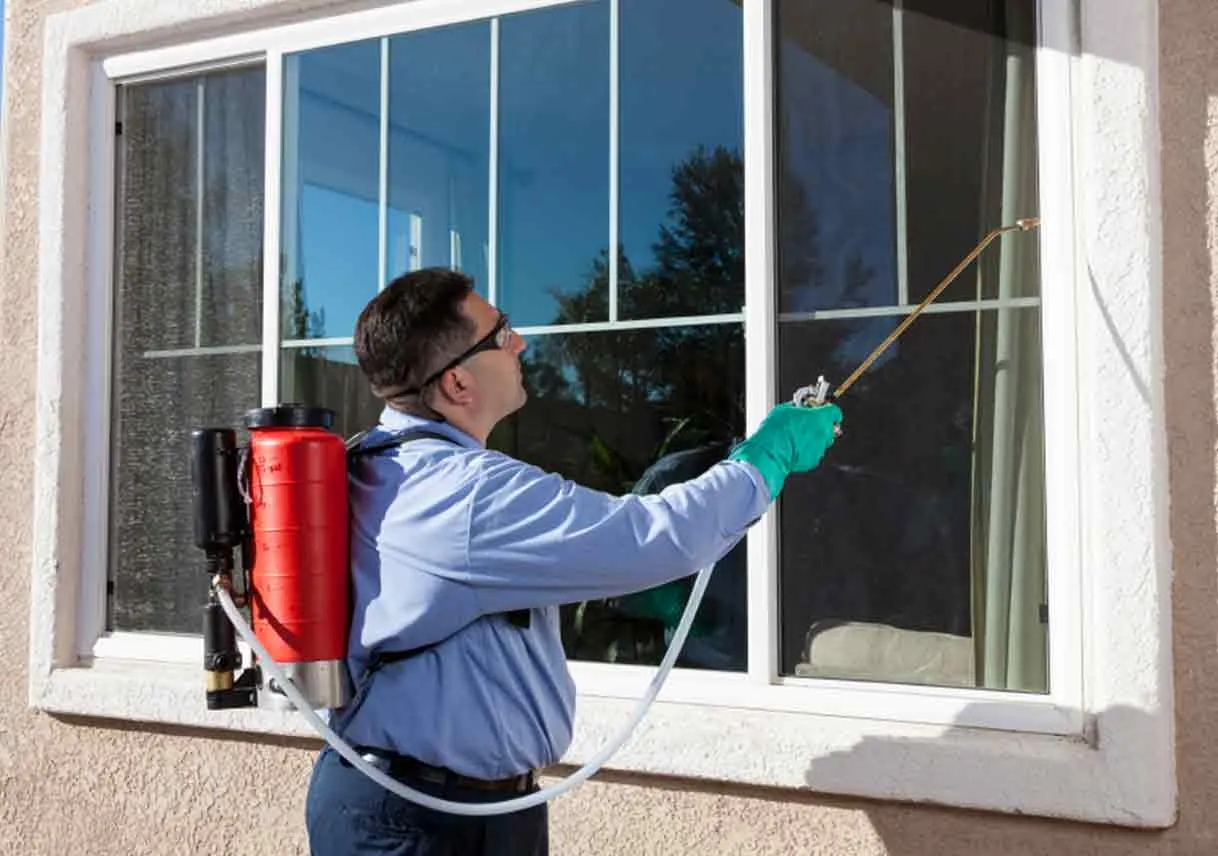
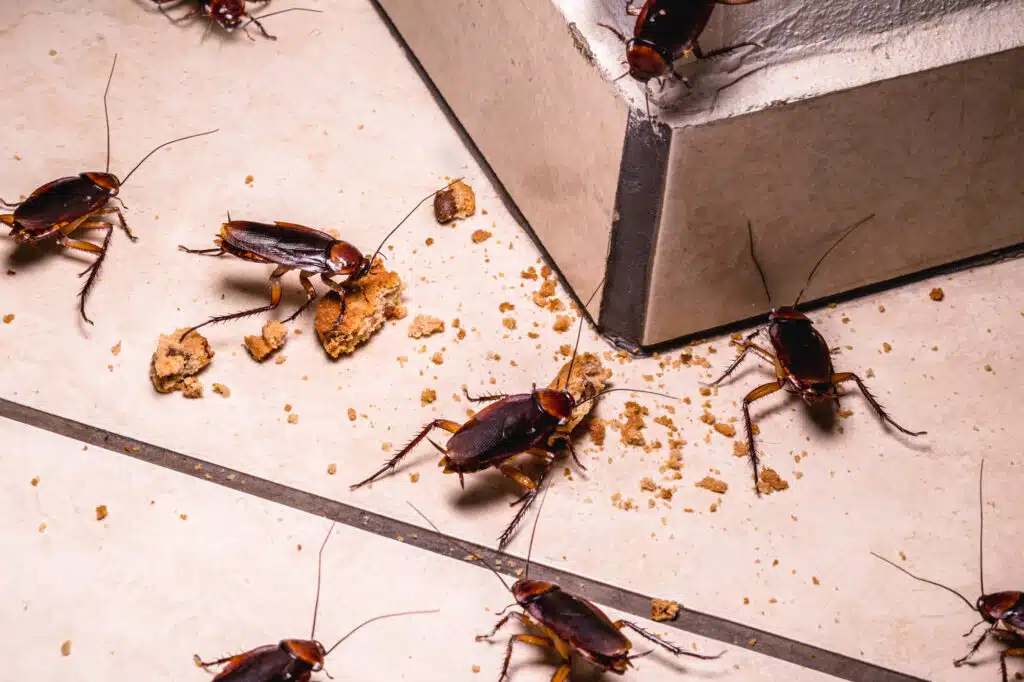
Ever wondered what it’s like to be a pest control technician? You know, the people who swoop in to save the day when spiders, mice, or other pests start making themselves at home? It’s a dynamic job that requires skill, expertise, and a lot of hands-on action. In this blog, we’re pulling back the curtain to reveal what a day in the life of a pest control technician truly looks like. Buckle up for an exciting ride into the world of pest control!
Today, you’ll get to know exactly what we all do, from handling a mouse infestation to dealing with pesky spiders and everything in between. Get ready to see the real-life challenges and victories of a pest control technician!
Starting the Day: The Early Morning Grind
A typical day begins early. The clock reads 7:00 AM, and we’re already gearing up for the day’s tasks. The uniform is on, and our trusty toolbox is packed with everything from bait stations to snap traps. We’re ready to take on whatever pest problems lie ahead.
i. Preparation is Key
- Review the Schedule: Before hitting the road, we look over the schedule to map out the day’s appointments. We need to know whether we’re heading to a residential area for spider control, commercial pest control services, or maybe a mouse infestation situation.
- Equipment Check: From traps to sprays, every pest control technician has specific tools to carry. A checklist ensures nothing is forgotten.
ii. Heading Out: First Stop, The Job Site
As we drive through town, it’s time to get ready for whatever pest control challenge comes our way. The drive isn’t just a commute, it’s a chance to mentally prepare for the day. Whether we’re getting rid of mice or controlling spider species, each stop has its own unique challenges.
Mid-Morning: Assessing the Situation
Credit: cleggs.com
By mid-morning, we’ve arrived at the first job. It could be anything, an office struggling with pests or a home plagued by spider webs. This is where we assess the extent of the pest problem.
iii. Inspection & Evaluation
- Pest Control for Spiders: We look for spider webs in corners, behind furniture, and under shelves. The black widow or a harmless daddy long-leg can easily hide in these places, so a thorough inspection is a must.
- Mouse Infestation: The telltale signs are droppings and gnaw marks. We also look for tracks, chewed-up food packages, or evidence of a nest. Once we’ve identified the mouse infestation, it’s time to choose the right tools: mouse traps or a bait station might do the trick.
- Spider Control: We assess the type of spiders present. If venomous spiders, like black widows, are spotted, we go into action mode, planning the safest and most effective method of pest control.
iv. What Does Pest Control Do?
A common question we get is, “What does pest control do?” Simply, we eliminate or control the presence of pests in your home or business. But there’s more to it than that:
- Prevention: It’s not just about extermination; it’s about keeping pests from returning. After dealing with the current infestation, we seal potential entry points to prevent future issues.
- Ongoing Care: We often recommend follow-up treatments and inspections, especially for pests that tend to come back, like mice and spiders.
Lunchtime: A Quick Break
By now, we’ve handled a couple of appointments. It’s time for a quick lunch before the afternoon rush. We might swap stories of how a simple job turned into a complicated pest battle, like when we had to use snap traps in hard-to-reach places or when a bait station failed to attract the mice. It’s all part of the job!
Afternoon: The Action Continues

Credit: nozzlenolen.com
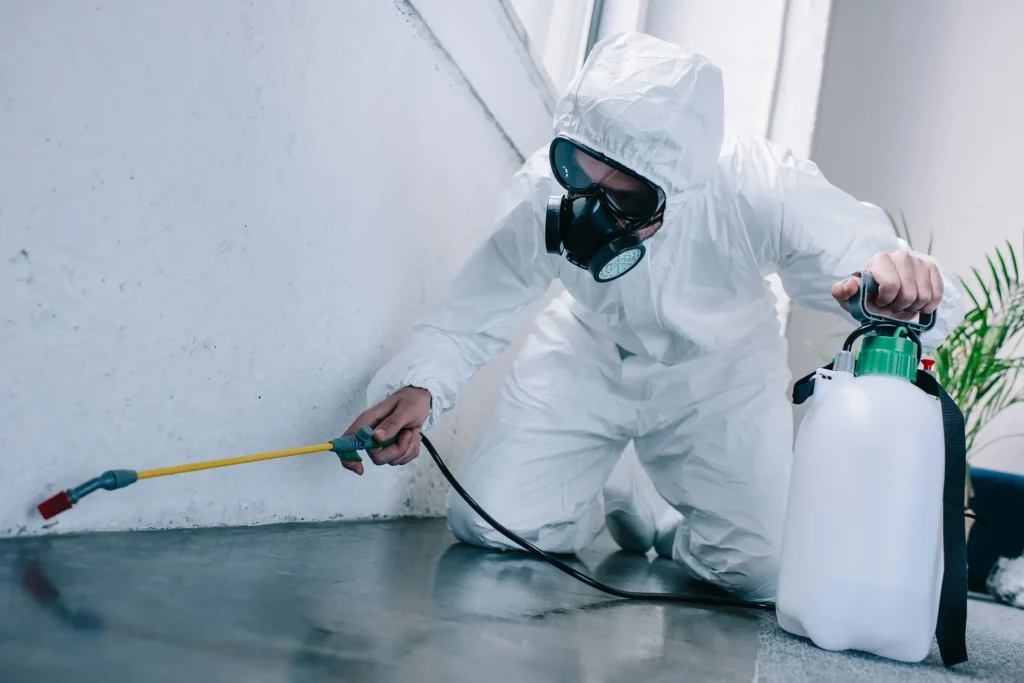
After lunch, we head to a commercial property. Pest control for businesses can be a bit more complex, it involves keeping the workplace safe for employees and customers. Whether it’s a restaurant, hotel, or office building, commercial pest control services require tailored solutions.
v. Commercial Pest Control Services
- Inspection: For businesses, we focus on sanitation, storage areas, and pest hotspots. It’s crucial to ensure that food waste or cracks in walls aren’t providing the perfect environment for pests.
- Effective Solutions: From commercial rodent control to spider control, we use the appropriate treatments to target specific pests. Our goal is to ensure the business stays pest-free, maintaining hygiene and safety for everyone involved.
vi. Handling Tough Cases
Some pest problems are more stubborn than others. Sometimes we face challenges, like when a mouse infestation goes unnoticed for months. In these situations, we use a mix of traps, sprays, and follow-up visits to ensure the problem is completely eradicated.
Evening: Wrapping Up and Reflecting
By the time the sun starts to set, we’ve handled everything from venomous spiders to an army of mice. It’s time to head back to the office, debrief, and prepare for the next day.
vii. Final Tasks
- Paperwork: We finish up any necessary reports or follow-ups for our clients. This is where we confirm any long-term solutions or additional visits required.
- Prep for Tomorrow: We ensure our equipment is ready for the next day’s pest control missions. From fresh bait for mouse traps to spider control products, we keep everything stocked and organized.
Why Choose Professional Pest Control?
If you’re dealing with pests in your home or business, you may be wondering if you should handle it yourself or call in the professionals. Here’s why it’s worth considering pest control services:
- Expertise: As experienced pest control technicians, we know exactly how to handle various infestations, whether it’s a mouse infestation, spider species, or commercial pest problems.
- Long-Term Solutions: We don’t just get rid of pests for a day. Our goal is to provide long-lasting solutions to keep your space pest-free.
- Safety: Some pests, like venomous spiders, can pose serious health risks. By relying on professionals, you’re ensuring your home or business is safe.
If you’d like to learn more about pest problems or need advice on spider control, check out our blog on signs you need pest control.
The Bottom Line
So, what’s a day in the life of a pest control technician really like? It’s about problem-solving, providing peace of mind, and keeping homes and businesses safe from pests. Whether we’re dealing with a mouse infestation or controlling spiders, we’re always on the front lines. And while the job can be tough, it’s also incredibly rewarding.
So, the next time you see a pest control technician, remember, we’re the unsung heroes making sure your home or business stays pest-free, one day at a time!
FAQs
Wondering what it’s like to be a pest control technician? Let’s answer some of the most frequently asked questions!
Is being a pest control technician hard?
While the job can be physically demanding, it’s rewarding. It requires patience, attention to detail, and the ability to adapt to various situations. We face new challenges every day, from dealing with stubborn pests to educating customers.
What are the 3 C’s of pest control?
The 3 C’s of pest control are:
- Correct Identification – Knowing what pest you’re dealing with.
- Communication – Explaining the plan and educating clients.
- Control – Applying the right methods to eradicate pests effectively.
How many hours a week do pest control technicians work?
Typically, pest control technicians work between 40-50 hours a week. However, during peak seasons or when emergencies arise, hours may extend.
What is the hardest bug to get rid of?
The hardest pest to control is often the bed bug. These tiny creatures hide in hard-to-reach places and can be resistant to some treatments.
How much do pest control technicians make?
Pest control technician salaries can vary based on experience, location, and company. On average, technicians can earn between $35,000 to $60,000 annually, with opportunities for higher earnings based on performance and expertise.