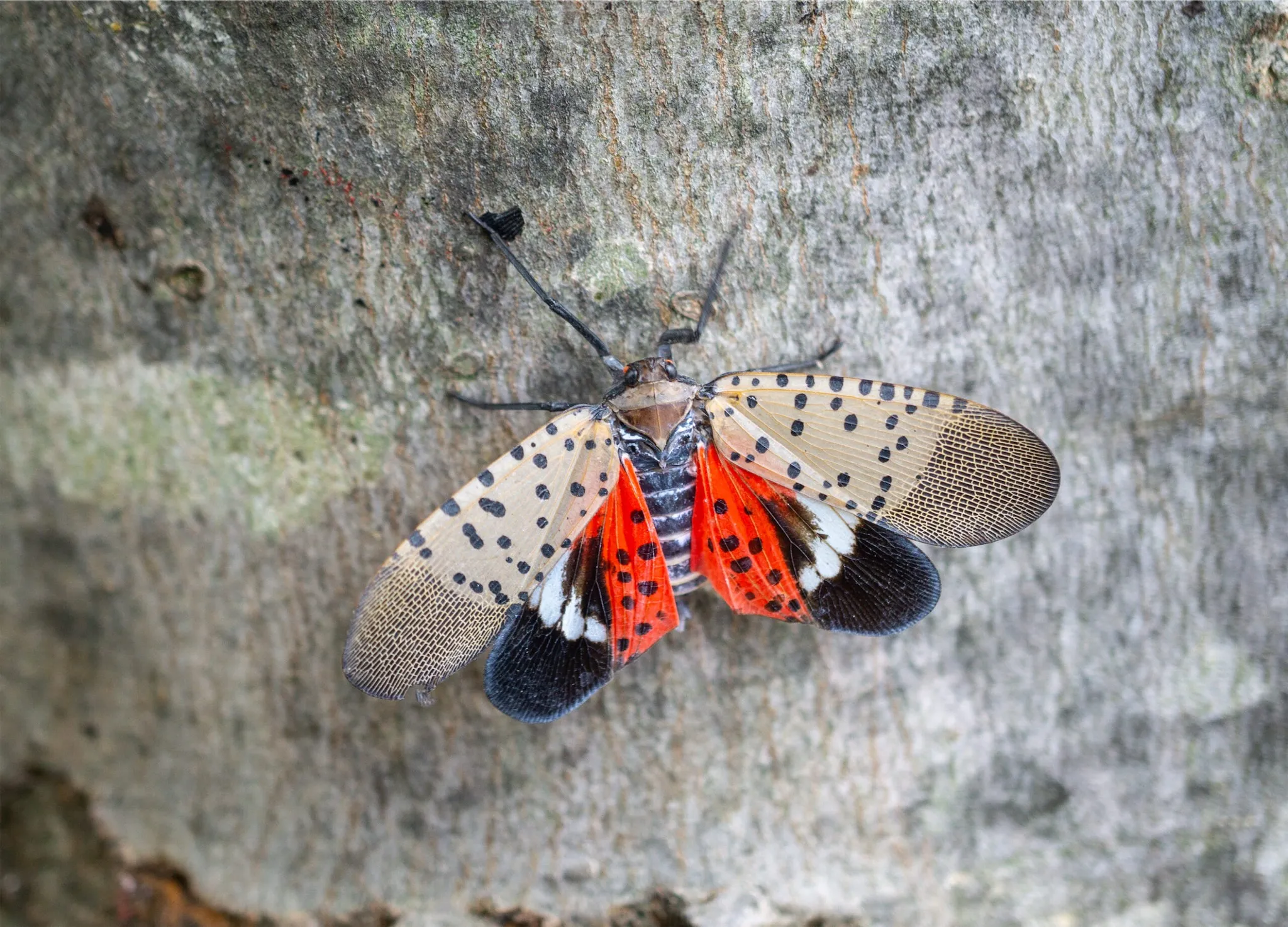
That flutter at your porch light? You’ve just met a lepidopteran, and it might be plotting against your wardrobe. Okay, maybe that’s dramatic. But here’s the thing: moths and butterflies (our fancy Latin friends, the Lepidoptera) are way more than just pretty wings dancing around your bulbs. Sure, they’re beautiful. But some of them are absolute troublemakers, munching through your sweaters, decimating your garden, and treating your home like an all-you-can-eat buffet. Think you know these creatures? Most of us assume all moths are pests and all butterflies are innocent garden visitors. Spoiler alert: life’s messier (and more interesting) than that. In this guide, we’re pulling back the wings to explore what makes lepidopterans tick, why they’re drawn to your space, and—most importantly—how to reclaim your home and garden without feeling guilty about it.
What are Lepidopteran Pests?
Lepidopteran pests belong to the Lepidoptera order, a group of insects that includes over 180,000 species of moths and butterflies. These pests are easily identified by their scaly wings, bright colors, and distinctive wing patterns. While many lepidopterans are harmless and even beneficial, others, particularly their larvae (caterpillars), can be destructive.
A) Moths
These nocturnal creatures are often attracted to lights and can be found fluttering near your home, searching for food or mates.
B) Butterflies
Though typically less bothersome indoors, certain species can cause damage in gardens, particularly to plants.
C) Caterpillars
The larval stage of lepidopterans, these caterpillars can devour your plants, turning lush landscapes into barren patches.
The Lepidoptera Life Cycle: How It All Starts
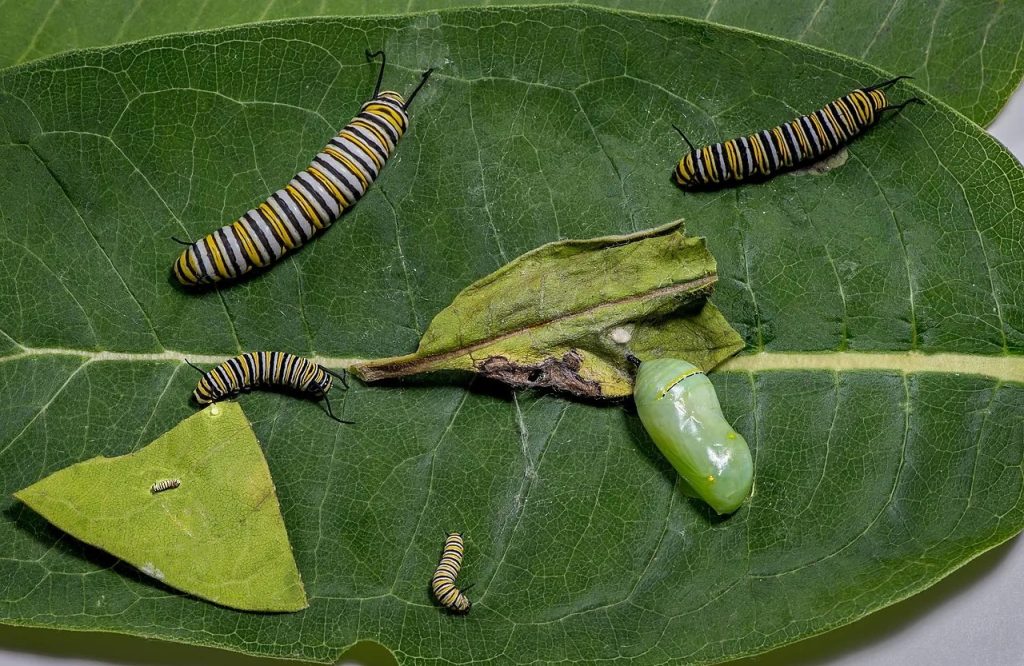
Credit: mgnv.org
Understanding the lepidoptera life cycle is crucial in tackling pest problems before they spiral out of control. Here’s a breakdown:
- i. Egg: Lepidopterans begin life as eggs laid on host plants.
- ii. Larvae (Caterpillar): The larvae hatch and begin feeding voraciously on plants. This stage can last several weeks to months.
- iii. Pupa (Cocoon): After the caterpillar has grown, it forms a pupal case where it will undergo metamorphosis.
- iv. Adult (Moth or Butterfly): Once the transformation is complete, the adult emerges to continue the cycle.
Common Lepidopteran Pests You May Encounter
Some lepidopterans are particularly known for causing damage. Here’s a list of lepidopteran pests that could be invading your home or garden:
- Clothes Moths: These pests love feeding on natural fabrics like wool, silk, and cotton.
- Caterpillars of the Tomato Hornworm: Known for decimating tomato plants, these caterpillars can quickly destroy your garden.
- Tigermoths: These strikingly beautiful insects, particularly their larvae, can damage crops and ornamental plants.
- Gypsy Moths: Their larvae are notorious for defoliating large areas of trees, impacting both home gardens and forests.
How to Protect Your Home from Lepidopteran Pests
Credit: nexles.com
Keeping these pests at bay involves understanding their habits and life cycle. Here’s how you can protect your home:
- Seal Entry Points: Lepidopterans can fly in through open windows or cracks. Ensure that window screens are intact and door gaps are sealed.
- Maintain Cleanliness: Regular cleaning and vacuuming will help remove moth eggs or larvae that may be lurking in dark corners or crevices.
- Store Fabrics Properly: For moths, store your clothes in airtight containers or use cedarwood, which repels moths.
- Use Natural Predators: Biological control, like introducing predators such as parasitic wasps, can help keep caterpillar populations in check.
- Inspect Plants Regularly: Check your garden plants for caterpillars, especially during the warm months, when they are most active.
If you need more tailored pest control for lepidopteran species, consider expert services like Bug Lady’s Residential Pest Control, where they provide targeted treatments for your home.
Control of Lepidopteran Pests: Professional Solutions
While some pests are manageable with DIY solutions, lepidopterans, especially in large numbers, often require professional pest control services. A thorough inspection can help identify the species of moth or butterfly, along with its current lifecycle stage. Treatments can include the following:
- Pest sprays to target larvae.
- Fumigation for severe infestations.
- Ongoing monitoring to ensure pest control effectiveness.
Lepidoptera Moths vs. Butterflies: What’s the Difference?
Credit: australian.museum
It’s easy to confuse moths and butterflies, but there are key characteristics that distinguish them:
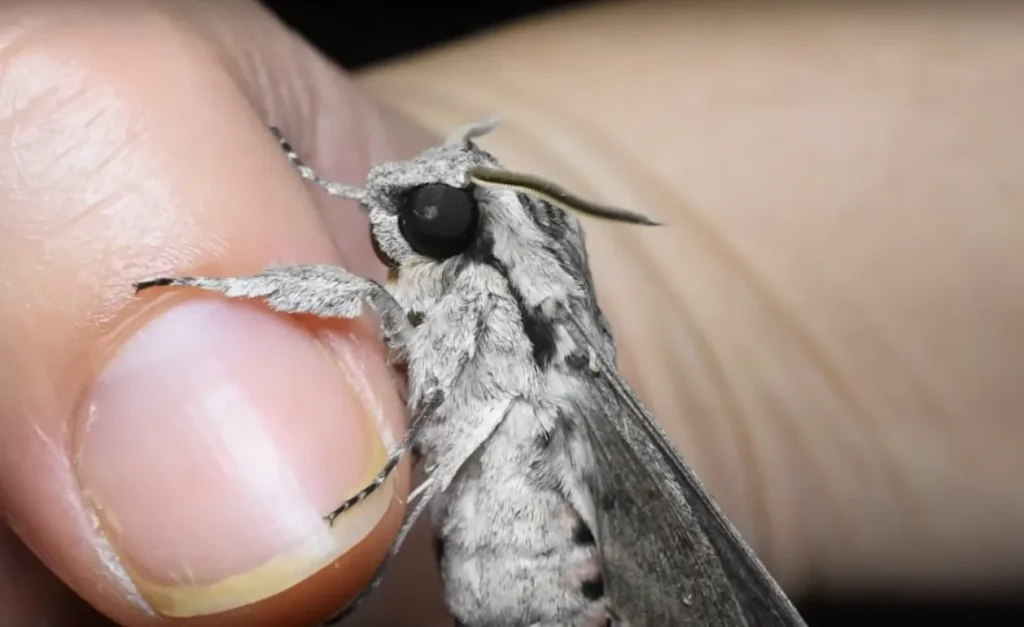
a) Moths: Typically nocturnal, moths tend to have feathery antennae and are attracted to light.
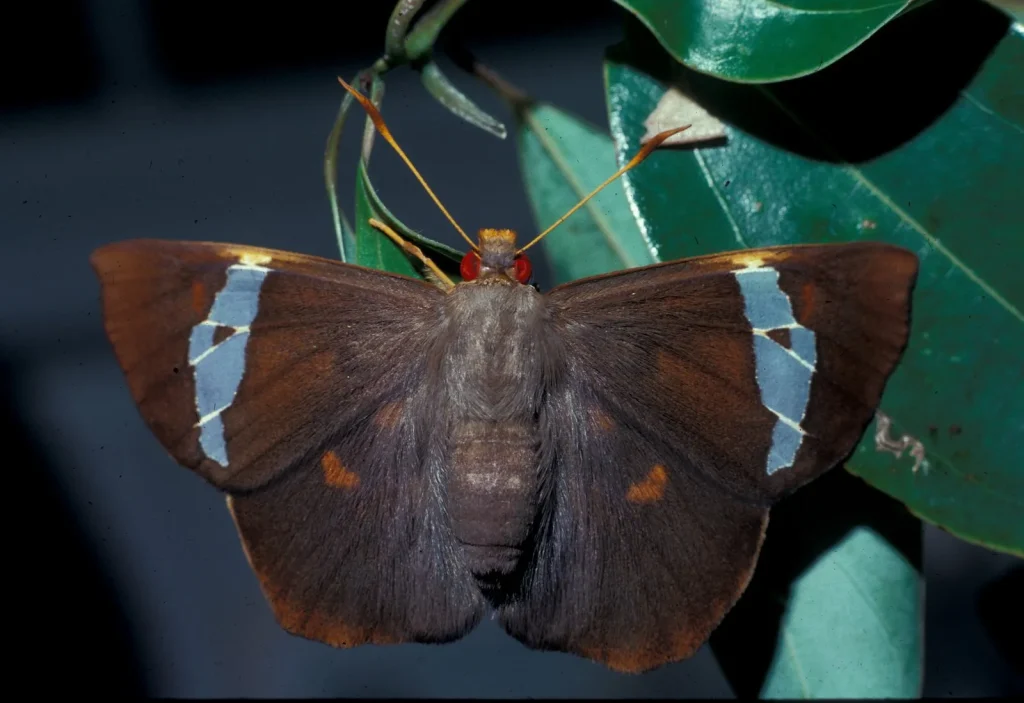
b) Butterflies: Active during the day, butterflies have slender antennae with knobs at the ends and are often seen fluttering about flowers.
Both can be lepidopteran pests if their larvae (caterpillars) invade your home or garden, but their appearance and behavior vary.
Final Thoughts
Lepidopterans look beautiful, but they’re sneaky garden and closet wreckers. Knowledge is your weapon: Understand their life cycle, spot signs early, and act fast. From moth-proofing closets to caterpillar-free veggies, you’ve got this. Need backup? Bug Lady’s got your back, with DIY tips or pro help, every step.
Stop the invasion. Reclaim your space. Say goodbye to bugs for good!
FAQs
Think moths are just pretty nuisances? Think again. Here’s a look at the questions that’ll help you protect your space from these winged (and not-so-winged) troublemakers.
What is a lepidopteran?
A lepidopteran is an insect from the Lepidoptera order, which includes moths, butterflies, and their larvae (caterpillars).
Do lepidopteran moths damage clothes?
Yes, particularly species like the clothes moth, which feeds on natural fibers like wool and silk.
How do I get rid of caterpillars?
Use natural predators, like parasitic wasps, or apply eco-friendly insecticidal soap to targeted plants.
What are the most common types of lepidopteran pests?
Common lepidopteran pests include moths (e.g., clothes moth), caterpillars (e.g., tomato hornworm), and gypsy moth larvae.
How long do lepidoptera larvae stay in the caterpillar stage?
The caterpillar stage can last from a few weeks to several months, depending on the species and environmental factors.