As a kid, I was always afraid of one thing: creepy insects crawling across the floor or walls. Nothing made me jump faster than seeing long, fast-moving legs skitter by. Centipedes, in particular, were the ultimate nightmare—so slimy-looking and quick, I never knew which way they would go. Today, I still respect them, but I’ve also learned that understanding the types of centipedes in Florida can turn fear into fascination.
What Is a Centipede?
Credit: reconnectwithnature.org
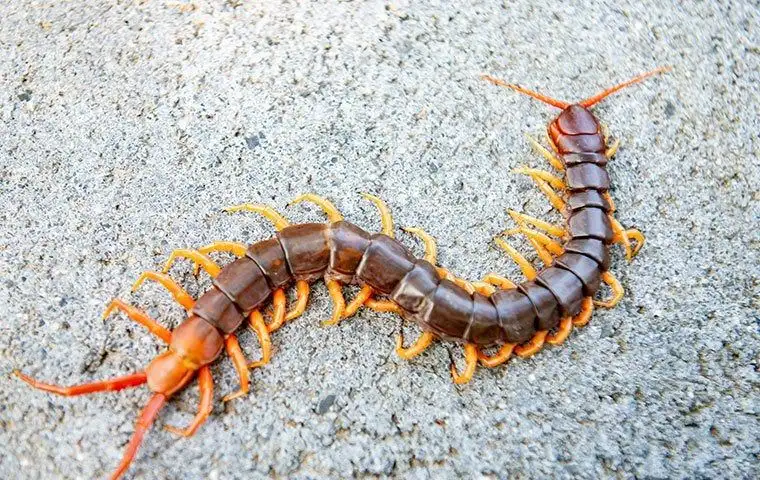
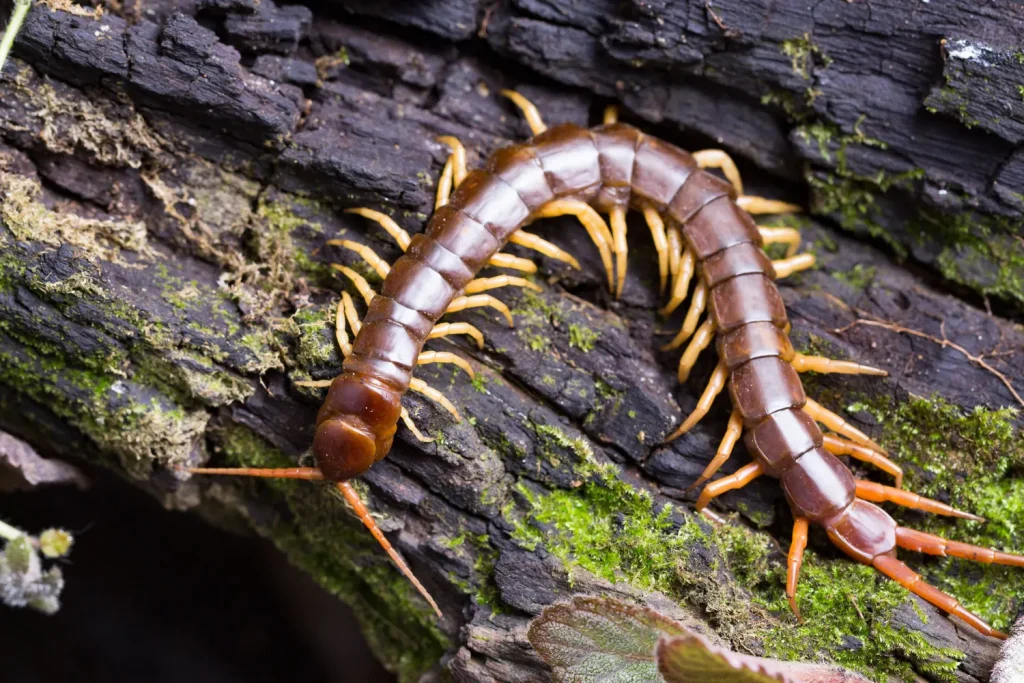
I bet all of you might have seen a centipede once in your lifetime. These are arthropods in the class Chilopoda. Their bodies are long, flattened, and made of multiple body segments, with one pair of legs per segment. Some species, like the House Centipede, have up to 15 pairs of legs. Unlike millipedes, which have two pairs of legs per segment, centipedes are predators that hunt insects, spiders, and other small animals.
Most centipedes prefer dark, damp locations. Outdoors, they hide under logs, rocks, and leaf litter. Indoors, they appear in basements, bathrooms, and laundry rooms. Most Florida centipedes are not harmful to humans. While centipede bites can occur, they usually cause minor irritation. A painful bite is rare, and severe reactions are uncommon.
Why Centipedes Are Common in Florida
Florida’s year-round warmth and high humidity create ideal conditions for centipedes. Moisture is critical for their survival, so they are often found in garden beds, mulch, leaf litter, and under logs. After rain or irrigation, they may move indoors looking for shelter or a food source.
Understanding the type of centipede helps determine whether it primarily stays outdoors or may venture inside. Frequent sightings indoors may indicate favorable hiding spots or a plentiful food source.
The Most Common Types of Centipedes in Florida
While Florida has many species, the eight centipedes below are the most commonly encountered. For each, I’ve included habitat and behavior points, as well as what makes them unique.
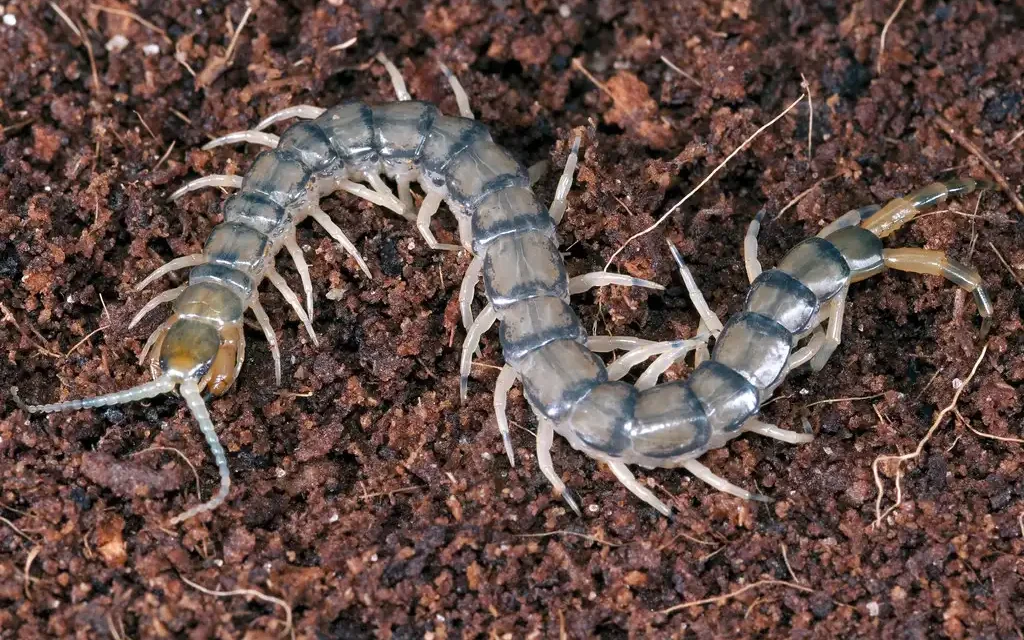
Florida Blue Centipede (Hemiscolopendra marginata)
Credit: flickr.com
The Florida Blue Centipede is a striking native species. It has a blue-gray body with orange or reddish legs and grows up to three inches in length. This predator is known for hunting insects and other small animals at night.
- Habitat
- Outdoors under rocks and logs
- Leaf litter and garden beds
- Moist wooded areas
- Behavior
- Nocturnal hunter of insects and small animals
- Occasionally enters homes seeking food or shelter
- Can deliver a mildly painful bite if handled
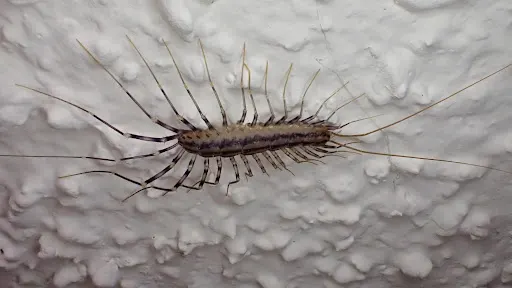
House Centipede (Scutigera coleoptrata)
Credit: 10000thingsofthepnw.com
Another well-known type: House Centipedes are easily recognized by their long legs and striped bodies. Known scientifically as house centipede scutigera coleoptrata, they can appear intimidating but are helpful predators indoors. They feed on cockroaches, ants, and other pests, making them an ally in centipede pest control.
- Habitat
- Bathrooms, basements, and closets
- Dark, humid corners of the home
- Behavior
- Nocturnal hunter feeding on household pests
- Fast-moving and usually avoids humans
- Presence often indicates other insects as a food source
- How to get rid of house centipedes: reduce moisture and seal cracks
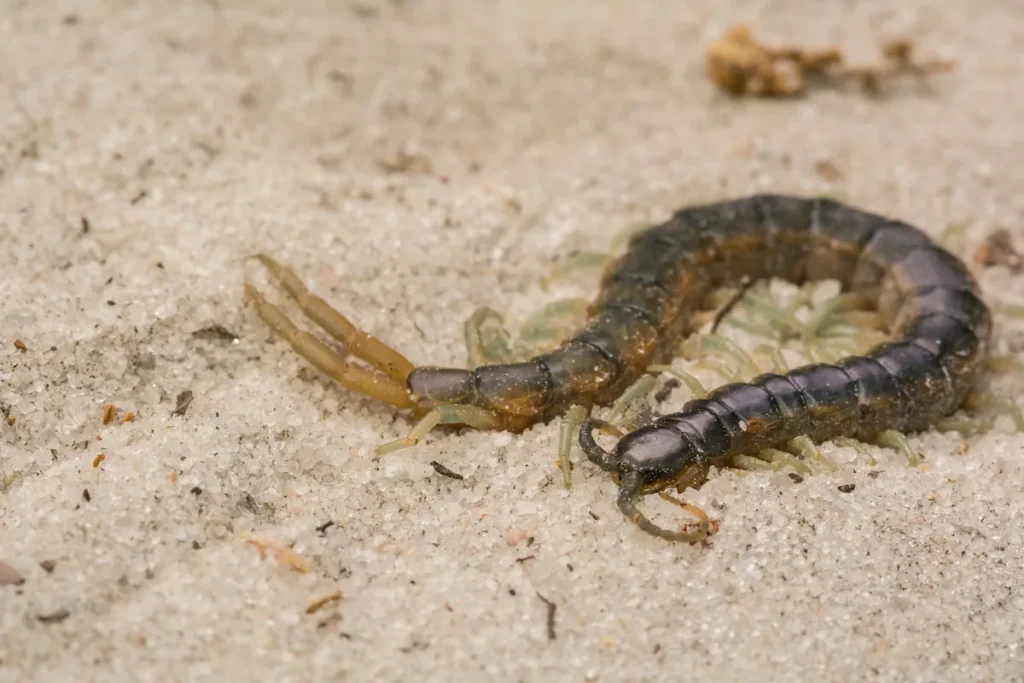
Bark Centipede (Scolopocryptops sexspinosus)
Credit: proactivepestga.com
Next come Bark Centipedes, which are reddish-brown with pale legs. They prefer outdoor environments but may occasionally wander indoors.
- Habitat
- Under tree bark and logs
- Leaf litter in shaded areas
- Garden mulch and soil
- Behavior
- Active at night, feeding on insects
- Avoids human contact
- Can deliver a mild centipede bite if disturbed
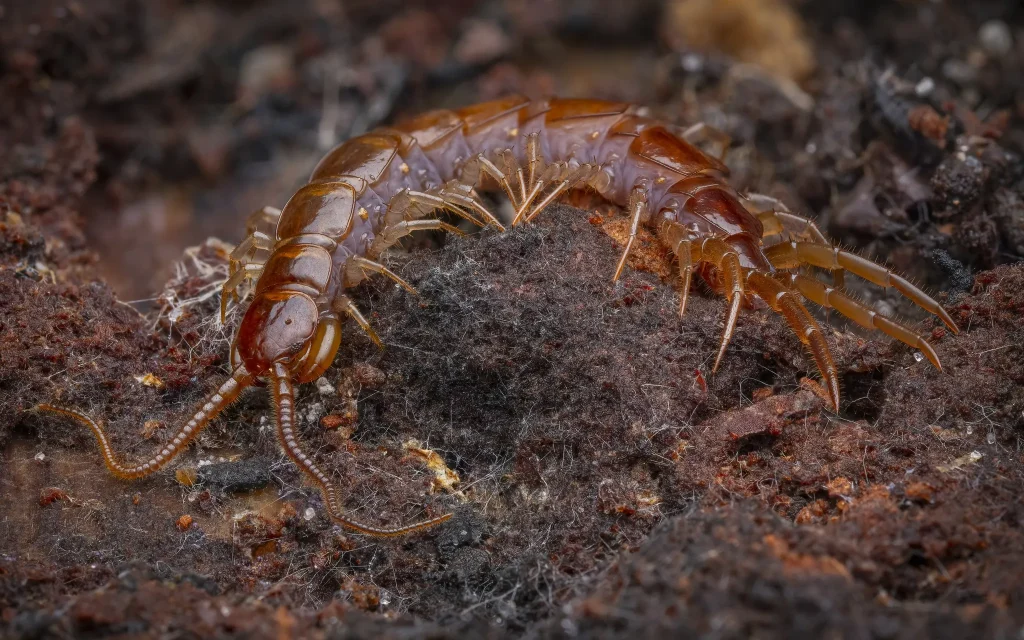
Brown Centipede (Lithobius forficatus)
Credit: en.wikipedia.org
Brown Centipedes are small, reddish-brown centipedes that hunt insects, slugs, and worms. They are beneficial in gardens as natural pest controllers.
- Habitat
- Garden beds and compost piles
- Beneath rocks and logs
- Moist soil
- Behavior
- Nocturnal hunter
- Feeds on small animals and insects
- Prefers hiding during the day
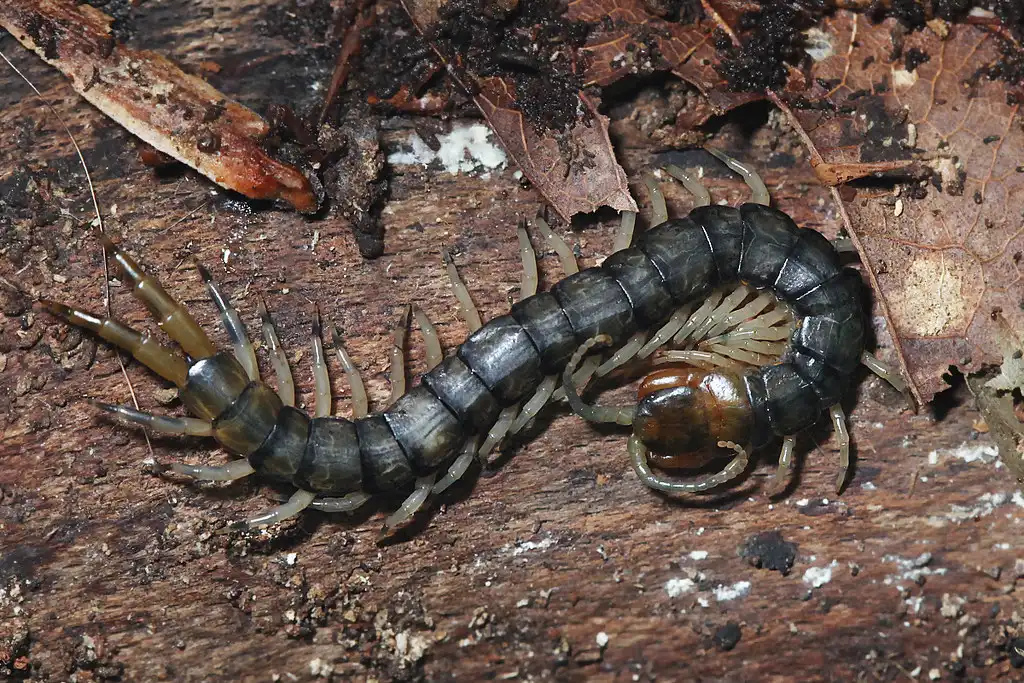
Eastern Bark Centipede (variant of Hemiscolopendra marginata)
Credit: flickr.com
This species is similar to the Florida Blue Centipede but varies in color from olive to bluish-brown. Eastern Bark Centipede prefers outdoor, shaded, and moist locations.
- Habitat
- Under bark and logs
- Leaf litter in wooded areas
- Moist garden beds
- Behavior
- Nocturnal predator
- Avoids light and movement
- Can bite if threatened
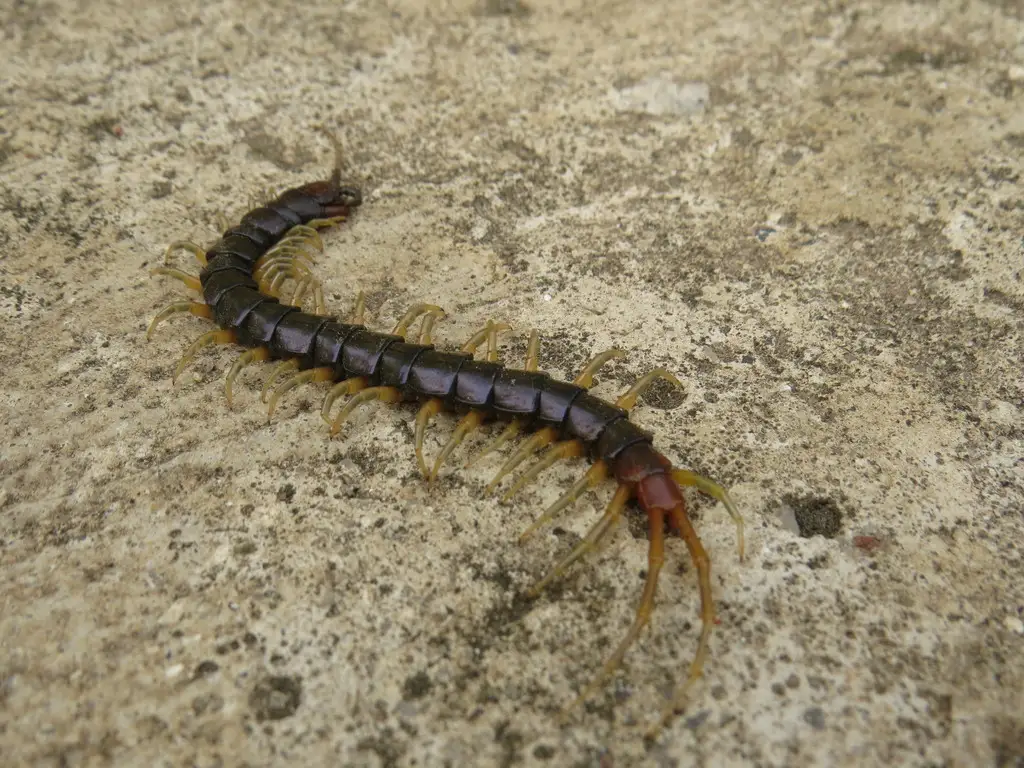
Tropical/Southern Centipede (Rhysida longipes)
Credit: inaturalist.org
Some non-native tropical centipedes have established themselves in South Florida. They have long legs and are fast-moving predators of insects and spiders.
- Habitat
- Leaf litter and garden soil
- Under stones and mulch
- Warm, humid outdoor areas
- Behavior
- Active at night, hunting insects
- Hides in cool, damp areas during the day
- Occasionally seen in yards after rain
Tiger Centipede (Southeastern species)

Credit: inaturalist.org
These are orange-brown with distinctive stripes. They are usually found outdoors on forest floors or shaded gardens.
- Habitat
- Forest floor leaf litter
- Under logs and rocks
- Damp outdoor spaces
- Behavior
- Hunts insects at night
- Fast-moving and secretive
- May wander into yards after rainfall
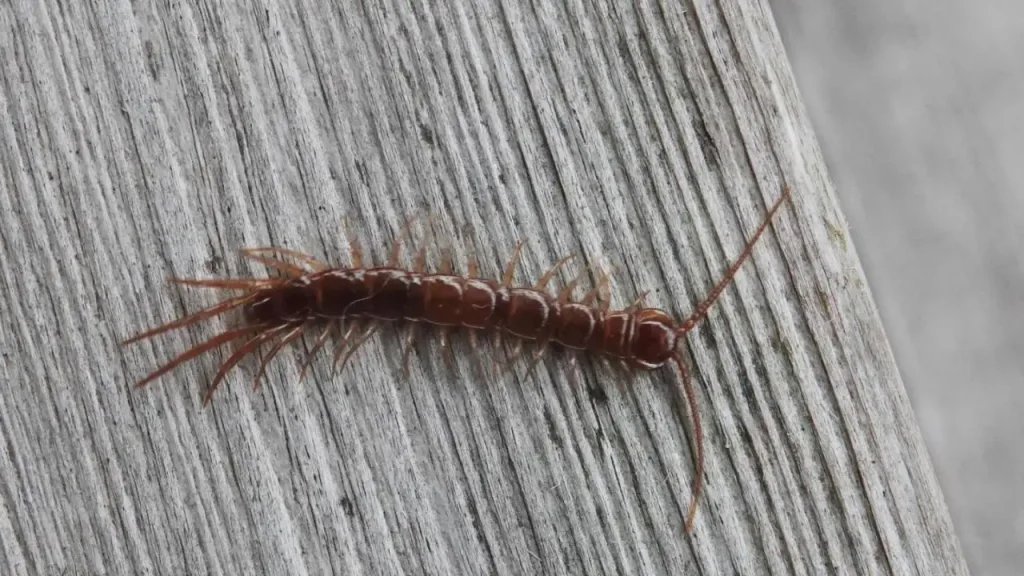
Stone Centipede (Lithobius spp.)
Credit: markeisingbirding.com
We have Stone Centipedes at last. These are small, grayish centipedes that hide under garden stones and debris. While they are more common in northern parts of North America, they occasionally appear in Florida gardens.
- Habitat
- Under garden stones and pavers
- Compost piles
- Shaded soil and mulch
- Behavior
- Nocturnal hunter of insects
- Hides in tight spaces
- Small and rarely bothers humans
Differences Between the Main Florida Centipedes
Identifying the type of centipede is easier when focusing on three main factors: body color, leg length, and habitat.
- House Centipede / Scutigera coleoptrata: Extremely long legs, indoor habitats, slender body.
- Florida Blue & Eastern Bark Centipede: Bluish or olive, 2–3 inches in length, outdoor preference.
- Bark & Brown Centipede: Reddish-brown, shorter legs, outdoor hunters.
- Tiger & Stone Centipedes: Smaller, patterned, prefer shaded, outdoor areas.
Knowing the species also helps determine whether they are a nuisance or a beneficial predator controlling other insects.
Are Florida Centipedes Dangerous?
Many people ask, “Are centipedes poisonous?” or “Whether house centipedes are dangerous?” or “Do centipedes bite?“. The truth is, most Florida centipedes are not dangerous to humans. Their venom is intended for small animals, not people. Most centipede bites cause minor pain, redness, or swelling. Only a few species, like giant centipedes or centipede Scolopendra heros, may deliver a stronger, painful bite.
Pets might be bitten if they play with centipedes, but reactions are usually minor. In general, centipedes are beneficial predators rather than dangerous pests.
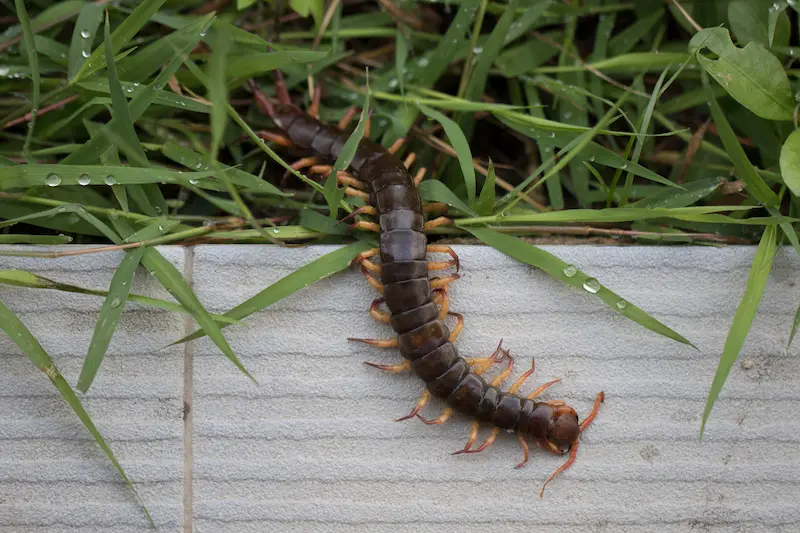
Signs Centipedes Are Living Near Your Home
Credit: bugoutservice.com
- Sightings at night in bathrooms, basements, or closets
- Increased insect activity provides a food source
- Damp or humid areas indoors
- Outdoor debris, leaf piles, or mulch near foundations
How to Prevent Centipedes Around Your Home
Effective centipede control involves removing moisture, eliminating hiding spots, and reducing available food sources.
Reduce Moisture
- Fix leaks and improve ventilation
- Use dehumidifiers in damp areas
Remove Hiding Spots
- Clear wood piles, stones, and leaf litter
- Keep mulch away from home foundations
Seal Entry Points
- Caulk cracks and gaps
- Install weather stripping around doors and windows
Control Other Pests
- Reducing insects reduces centipede activity
- Proper pest control keeps house centipedes at bay
When to Call a Pest Control Professional
If centipedes appear frequently indoors, it may be time for centipede pest control services. Professionals can identify the type of centipede, inspect your property for moisture and hiding spots, and recommend effective centipede control measures. This is where the Bug Lady comes in. The experts offer science-backed knowledge and practical solutions to eliminate these annoying centipedes. So, get in touch with us now.
Final Thoughts
Centipedes may seem scary, but they are valuable predators controlling insects and other small animals. Most are harmless, and prevention through moisture control, debris removal, and sealing cracks is effective. Recognizing the type of centipede helps reduce fear and ensures proper handling while coexisting with these fascinating arthropods.
Frequently Asked Questions
Let’s go through a few of the commonly asked questions about centipedes.
What does a centipede eat?
Centipedes are carnivores and primarily feed on insects, spiders, and other small animals. House Centipedes, in particular, help control pests like cockroaches, ants, and silverfish.
Are centipedes poisonous?
Most Florida centipedes are not poisonous to humans. They use venom to subdue prey, but bites usually cause only minor irritation or a mildly painful sting.
Are house centipedes dangerous?
No, house centipedes (Scutigera coleoptrata) are not dangerous. They are beneficial predators that feed on other insects. Their bites are rare and mild.
How can I get rid of house centipedes?
To get rid of house centipedes, reduce moisture in your home, seal cracks, remove clutter, and control other pests that serve as their food source.
What are the most dangerous types of centipedes?
Larger centipedes, like giant centipedes or Scolopendra heros, can deliver a stronger, more painful bite, but serious reactions are rare. Most Florida species are harmless.