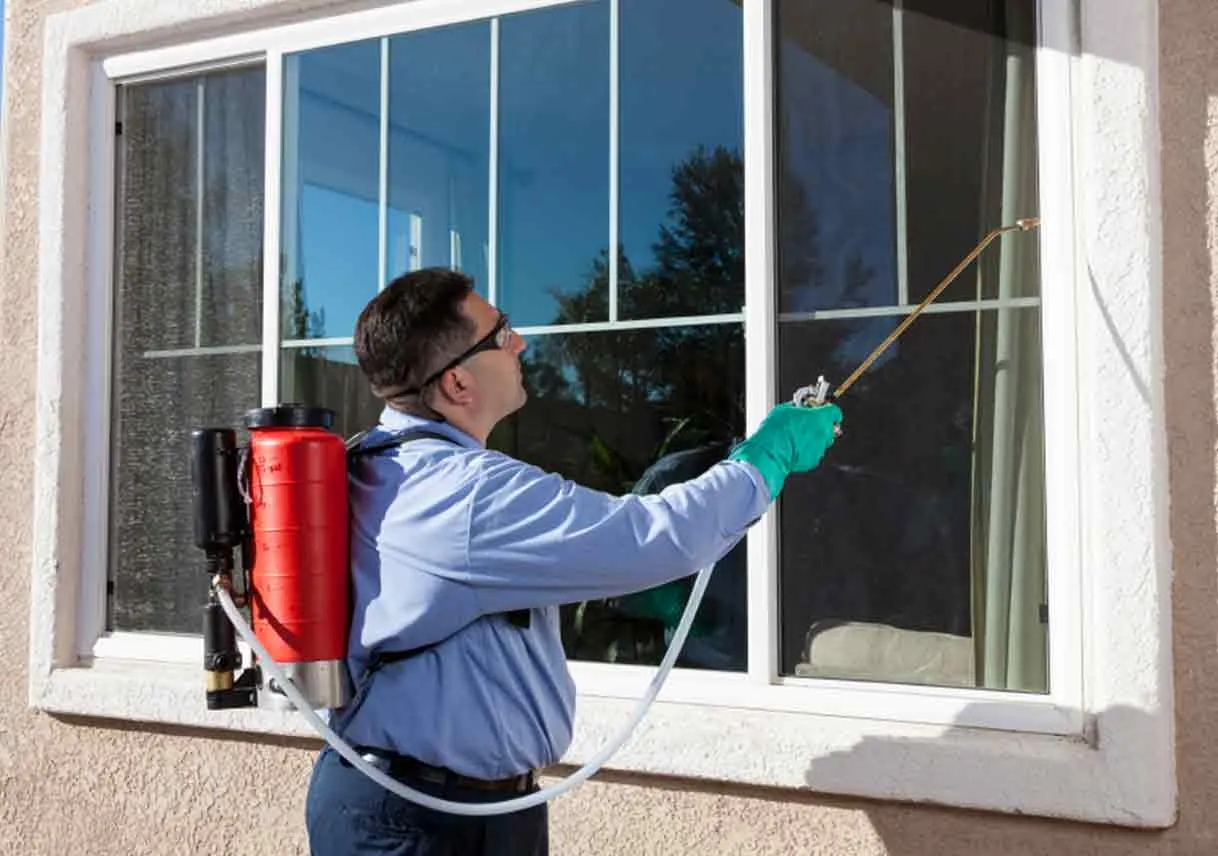
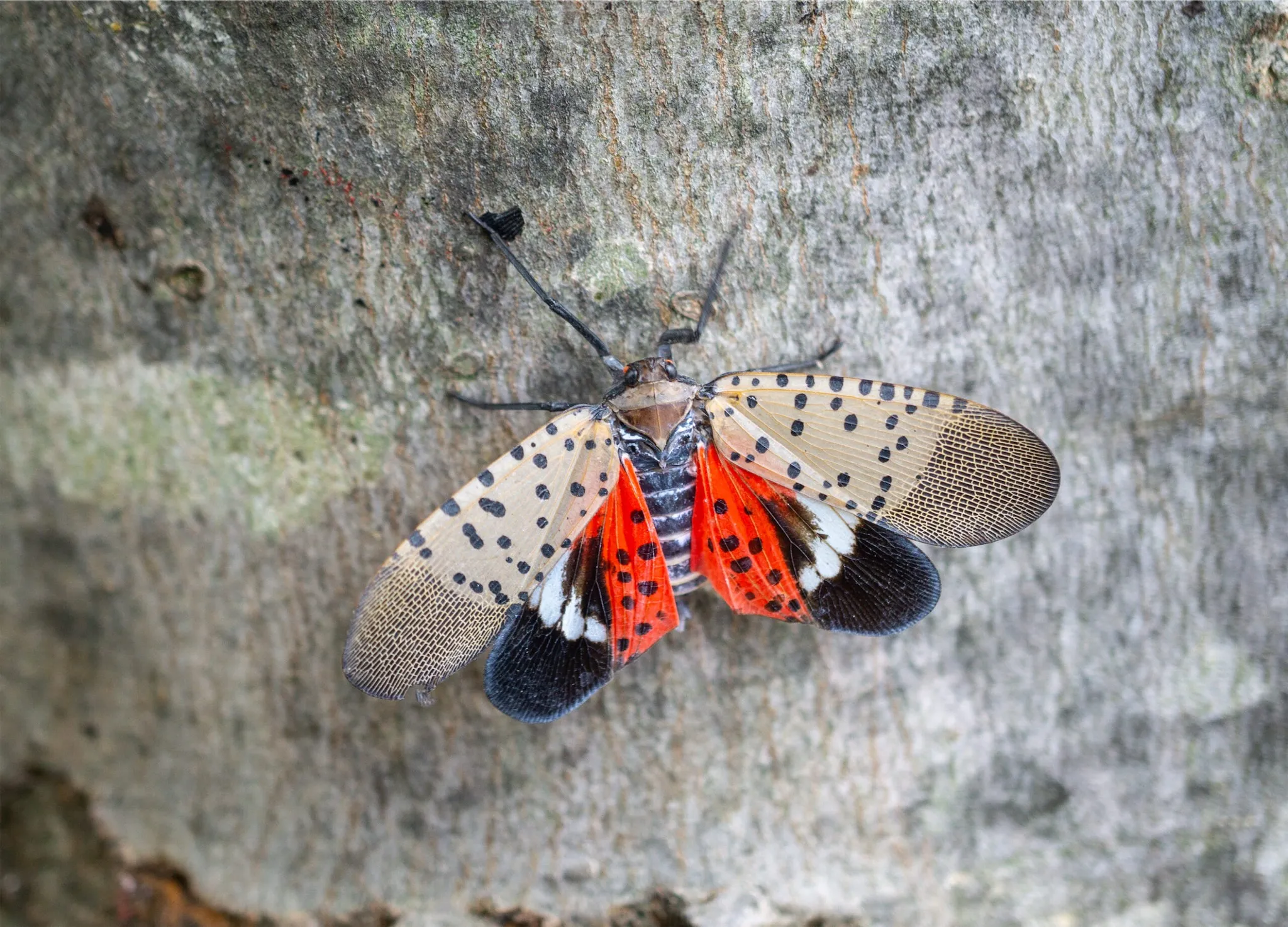
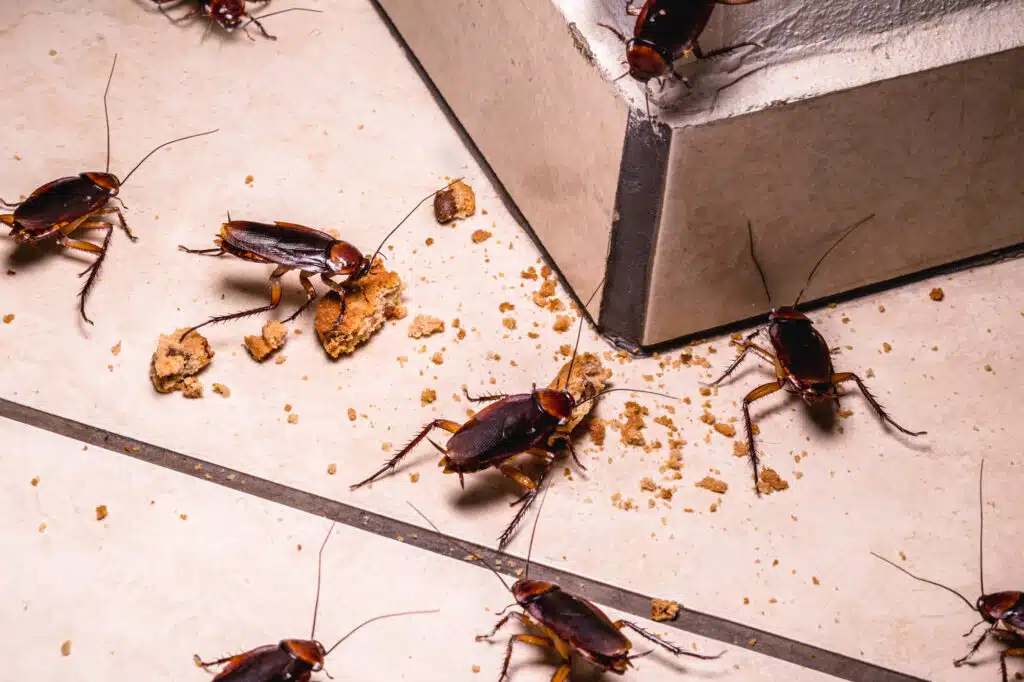
Ughh, these pests aren’t just those annoying little creatures that make us squirm—they can actually do some serious damage to our health! From spreading diseases to triggering asthma or allergies, the effects of pests on human health are a lot more dangerous than we realize. Trust me, if you’re not paying attention, you could be inviting these little troublemakers right into your home without even knowing it. Let me walk you through how pests impact our health, the risks they bring, and why pest control isn’t just a good idea—it’s a must! Time to make sure your home stays safe and pest-free!
Human Health and Pests: What You Need to Know?
Pests aren’t just annoying—they can seriously affect your health. From spreading diseases to causing allergies, pests can bring unwanted risks into your home. Here’s why it matters:
- Disease transmission: Mosquitoes, ticks, and cockroaches spread serious illnesses.
- Allergy triggers: Cockroach droppings and rodent urine can cause asthma and allergic reactions.
- Bacterial contamination: Pests leave behind bacteria that can contaminate food and surfaces.
It’s time to take pest problems seriously! Regular pest control helps keep these health risks in check and your home safe.
How Pests Affect Human Health
Credit: mothernaturesinc.com
Pests may seem like minor inconveniences, but their effects can go well beyond just being a nuisance. Whether it’s through insect droppings, bites, or direct contact, pests can carry bacteria and viruses that harm human health. Here’s a closer look at how pests contribute to the spread of disease:
a. Disease Transmission
Many pests, like mosquitoes, ticks, and cockroaches, are known vectors for serious diseases. These diseases can be spread through bites or even via pest droppings. Mosquitoes are infamous for carrying Zika, West Nile virus, and malaria, while cockroaches can spread bacteria like Salmonella and E. coli through their feces and saliva.
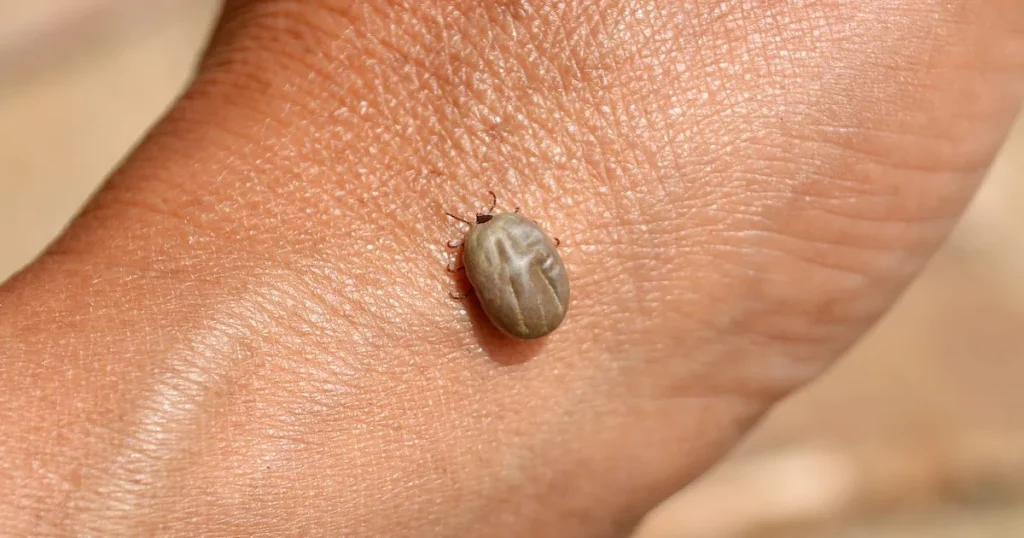
- Lyme disease, spread by ticks, affects thousands of people each year, causing long-term health issues if not treated early.
- Food poisoning from bacteria carried by pests like cockroaches can lead to severe gastrointestinal issues.
b. Respiratory Problems
One of the lesser-known risks from pests is their impact on respiratory health. Pests like cockroaches and rodents leave behind droppings and shed body parts that can trigger allergic reactions and asthma, especially in children. Cockroach droppings and their exoskeletons contain allergens that are highly potent and can cause serious breathing issues when airborne.
- Cockroach droppings are notorious for triggering asthma attacks, particularly in inner-city areas where infestations are more common.
- Rodent droppings can lead to diseases like Hantavirus and also contribute to poor air quality, aggravating asthma and allergies.
Different Types of Pests That Pose a Health Risk
Credit: drivebyeexterminators.com
When we think of pests, we often think of bugs like ants or mosquitoes, but many types of pests—ranging from insects to rodents—pose a significant risk to human health. Here’s a breakdown of the main culprits:
i. Mosquitoes
Mosquitoes are more than just a nuisance; they are one of the most dangerous pests when it comes to health risks. These harmful insects carry several viruses that can cause severe illness in humans. The Zika virus, dengue, and West Nile virus are just a few examples of diseases spread by mosquitoes.
-
Lyme disease, a tick-borne illness, can lead to chronic health issues if left untreated.
ii. Cockroaches
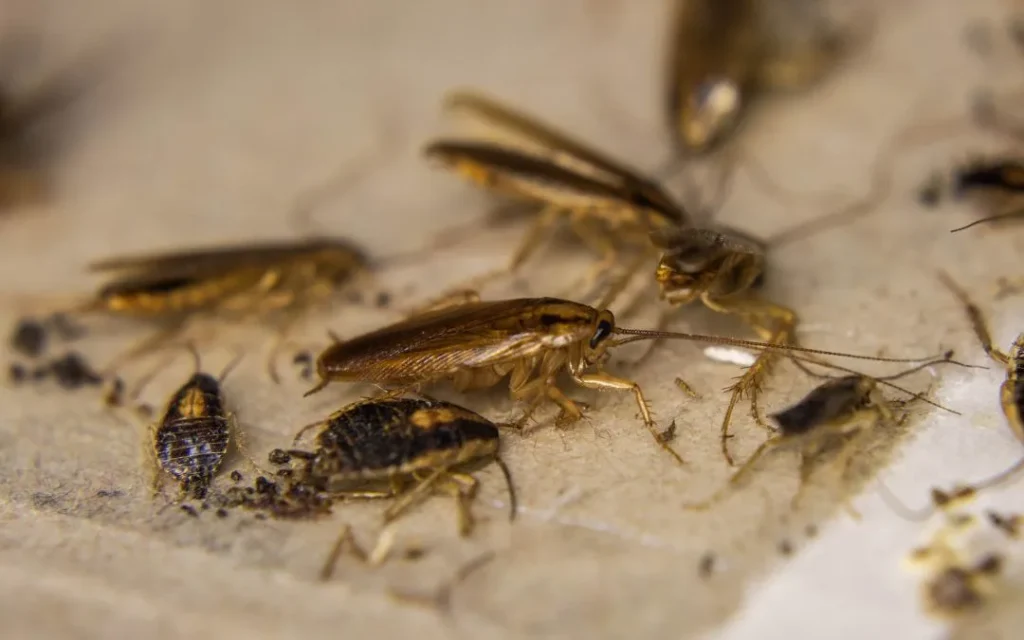
A cockroach infestation doesn’t just mean dirty countertops. These pests can spread diseases through their droppings, saliva, and body parts, leading to food contamination. The diseases spread by cockroaches include Salmonella, E. coli, and food poisoning.
iii. Rodents
Rodents like rats and mice not only chew through wires and contaminate food, but they also carry dangerous diseases. The droppings from rodents can lead to Hantavirus, which is a potentially deadly disease. These pests also spread bacteria that cause salmonella and leptospirosis.
iv. Termites
While termites are most famous for causing property damage, they can also affect your health. Termites infest homes and structures, causing damage to wooden beams and insulation. The termite droppings can release mold spores into the air, leading to respiratory problems like asthma.
How Pests Spread Disease
Credit: stampedepestcontrol.com
The way pests spread diseases can be through direct contact or through the environment they infest. Here’s how pests typically spread harmful pathogens:
- Bites and Stings: Certain pests, like mosquitoes, spread diseases through bites, injecting pathogens directly into the bloodstream.
- Insect Droppings: Cockroach droppings contain bacteria that can be transferred to food or surfaces, leading to infections.
- Contaminated Surfaces: Rodents and cockroaches leave behind traces of saliva, feces, and urine, which can contaminate food or surfaces in your home.
- Fecal Matter: Both rodents and cockroaches carry bacteria in their feces, which can contaminate areas of your home where food is prepared or eaten.
Diseases Associated With Pest Droppings
When pests leave behind droppings, it’s more than just an unsightly mess. Insect droppings and rodent feces carry bacteria, viruses, and allergens that pose serious health risks:
Cockroach Droppings
- Asthma and Allergies: Exposure to cockroach droppings can trigger asthma, especially in children. The allergens in their droppings and saliva can make it difficult to breathe, leading to long-term respiratory issues.
- Food Contamination: When cockroach droppings are on food, it can lead to foodborne illnesses like Salmonella and E. coli.
Rodent Droppings
- Hantavirus: Rodent feces can carry this serious disease, leading to symptoms like fever, fatigue, and difficulty breathing. Hantavirus is fatal in some cases.
- Leptospirosis: This bacterial infection can cause liver damage, kidney failure, and meningitis and is often spread through rodent urine or feces.
Termite Droppings
While termites may not directly harm humans with bites or stings, their droppings can contribute to poor indoor air quality. In large quantities, termite droppings can aggravate respiratory conditions like asthma and other allergic reactions.
The Importance of Pest Control
Credit: beesmart.buzz
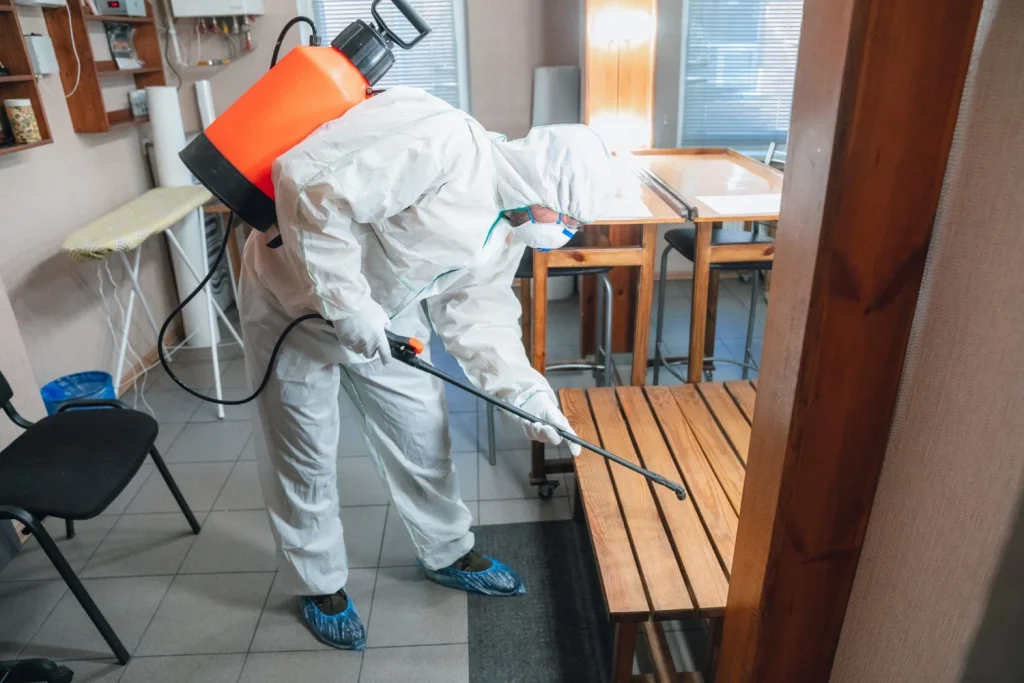
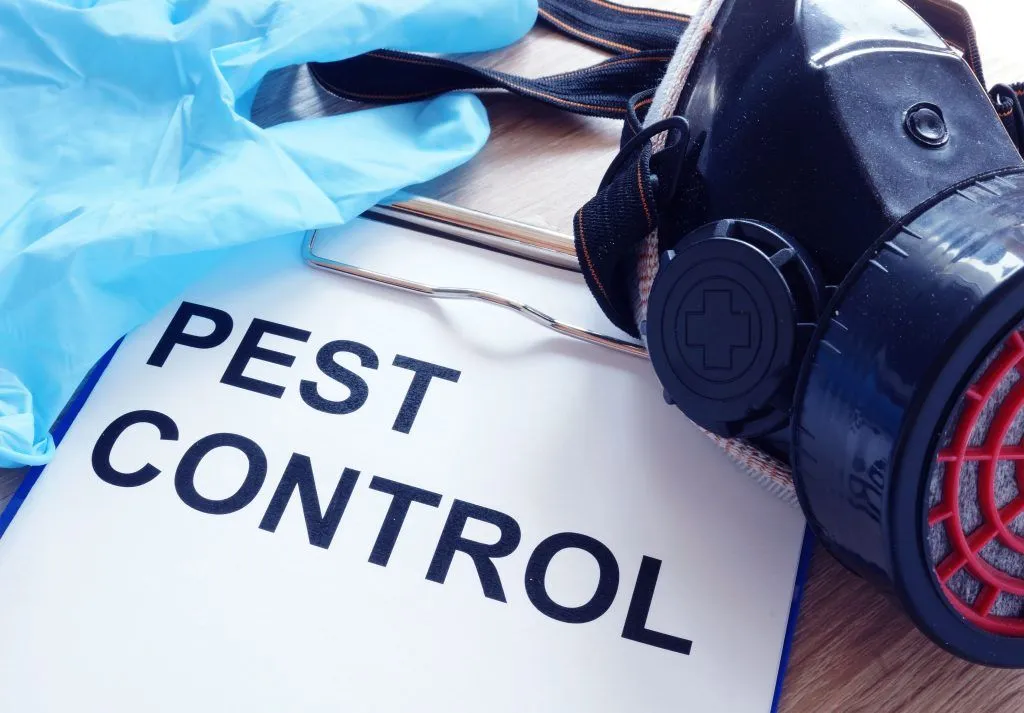
The importance of pest control cannot be overstated. Keeping your home free from pests is essential for your health, safety, and property value. Here are just a few reasons why pest management is crucial:
- Prevention of Disease: Effective pest control reduces the risk of diseases spread by pests, including Lyme disease, Salmonella, and Hantavirus.
- Property Protection: Beyond the health risks, pests like termites cause significant property damage. Regular termite inspection and professional termite control can prevent costly repairs.
- Improved Air Quality: Managing cockroach infestations and rodent problems helps improve the air quality in your home, reducing allergens and respiratory issues.
Professional pest control services can ensure that you’re not just managing an infestation but preventing one from occurring in the first place.
When is Time to Seek Professional Help ?
If you’re facing a pest problem, here’s when you should call in the pros:
- Ongoing Infestations: If you have an active insect infestation that you can’t control on your own, it’s time to call for our Buglady pest control service.
- Health Concerns: If pests are causing health problems—like asthma attacks, allergic reactions, or the spread of disease—professional pest management is essential.
- Property Damage: If you notice signs of termite activity or other pests damaging your property, such as chewed wires or wood, seek professional help immediately.
Professional services can also help with preventative treatments like termite prevention, cockroach control, and ensuring that pests that affect human health are kept at bay.
The Bottom Line
Pests aren’t just a nuisance—they’re a health risk you shouldn’t ignore. Whether it’s the diseases they spread or the allergens they leave behind, pests effect on human health is a serious concern. But don’t worry, we have got your back! From cockroach control to termite prevention, we’re here to help you protect your home and your health. Let us handle the pests so you can focus on living your best, bug-free life.
For more information on pest identification, visit the Bug Lady Pest Identifier, and ensure your home stays pest-free and safe.
FAQ’s
Let’s answer some of your questions about pests and health risks.
Do bugs get sick?
Yes, pests can spread viruses, bacteria, and allergens that harm humans.
Do termites carry disease?
Termites don’t carry diseases, but their activity can affect air quality. Bug Lady’s termite inspections catch issues early.
How do I prevent cockroach infestations?
Keep your home clean and seal gaps. Our team offers expert cockroach control to stop infestations.
Can pest droppings cause health issues?
Yes, pest droppings carry bacteria that can trigger asthma and allergies.
Why is pest control important?
It prevents disease, protects your home, and improves air quality.