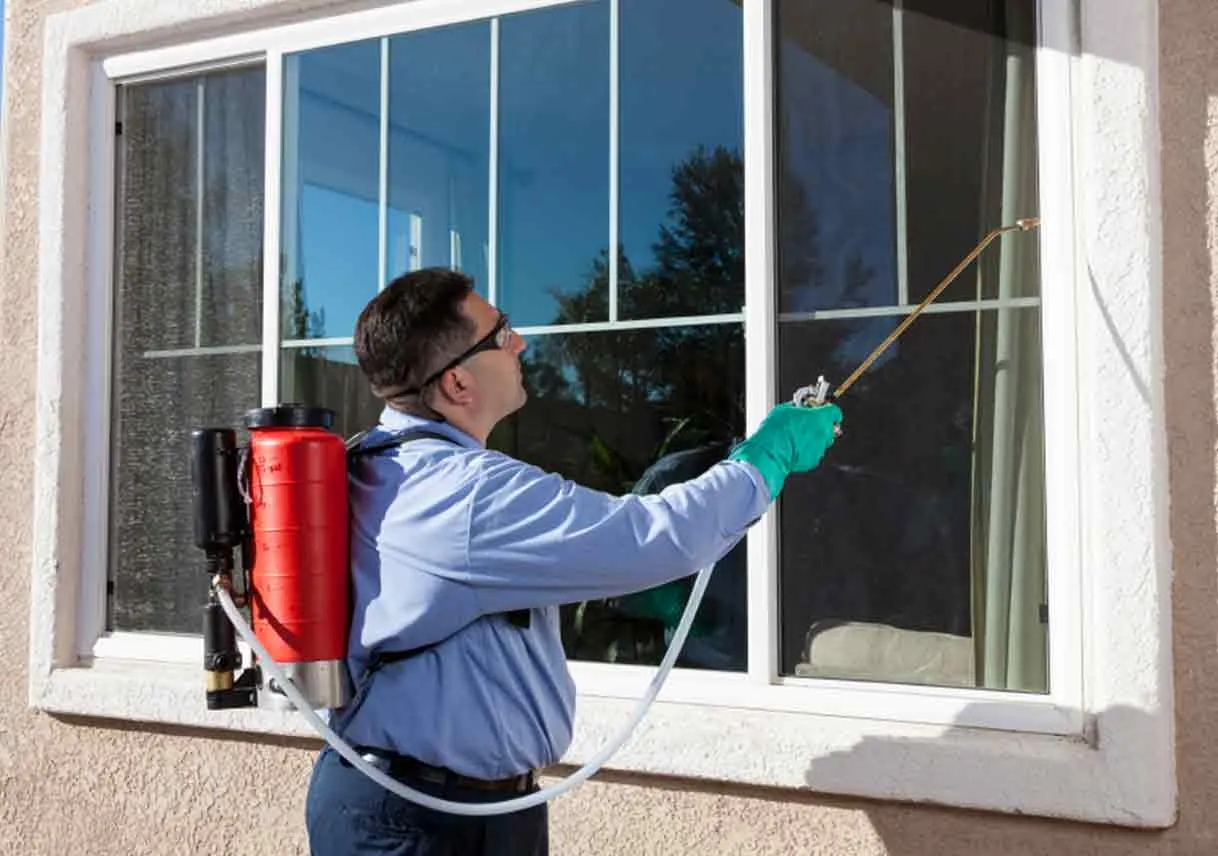
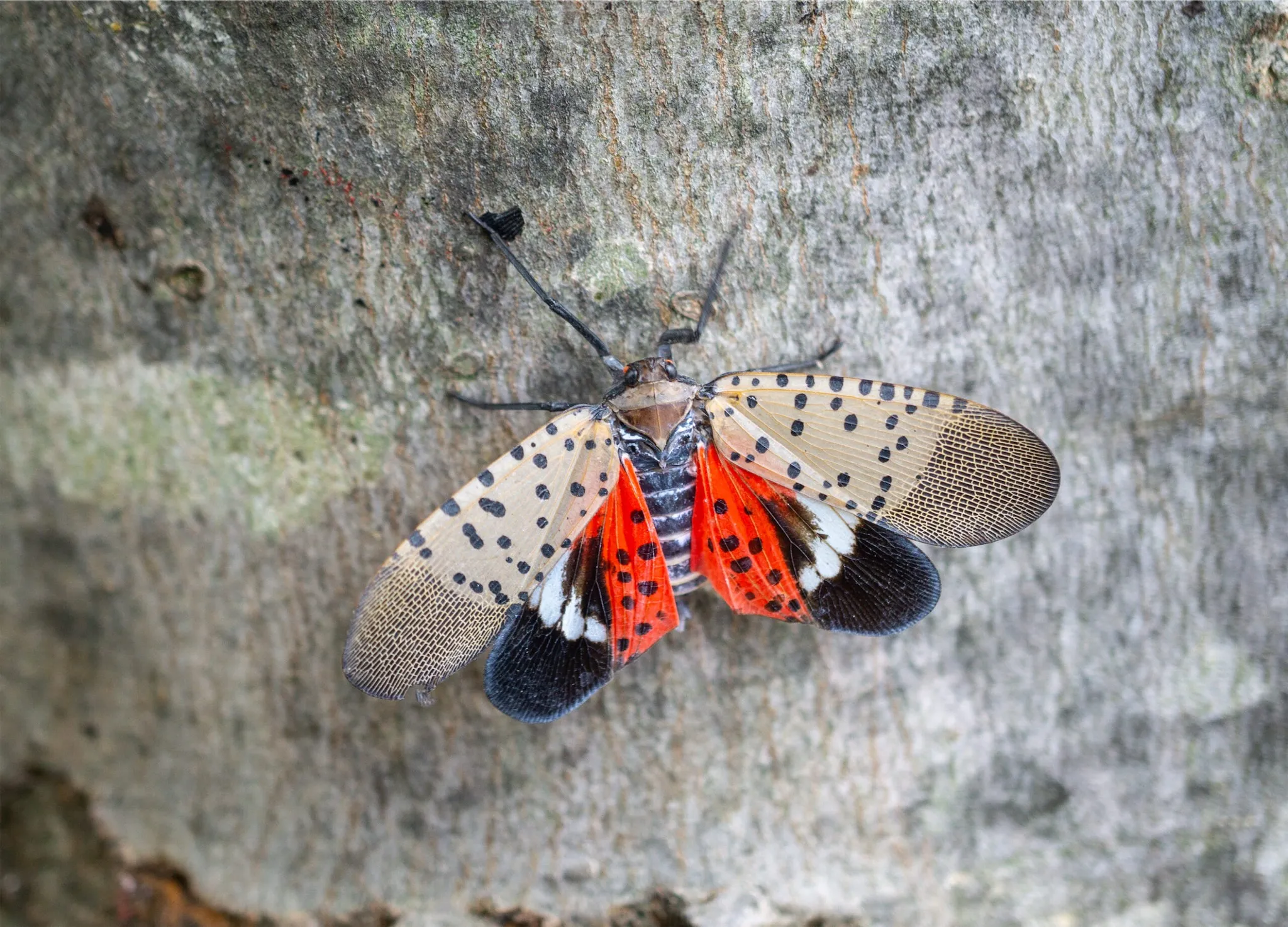
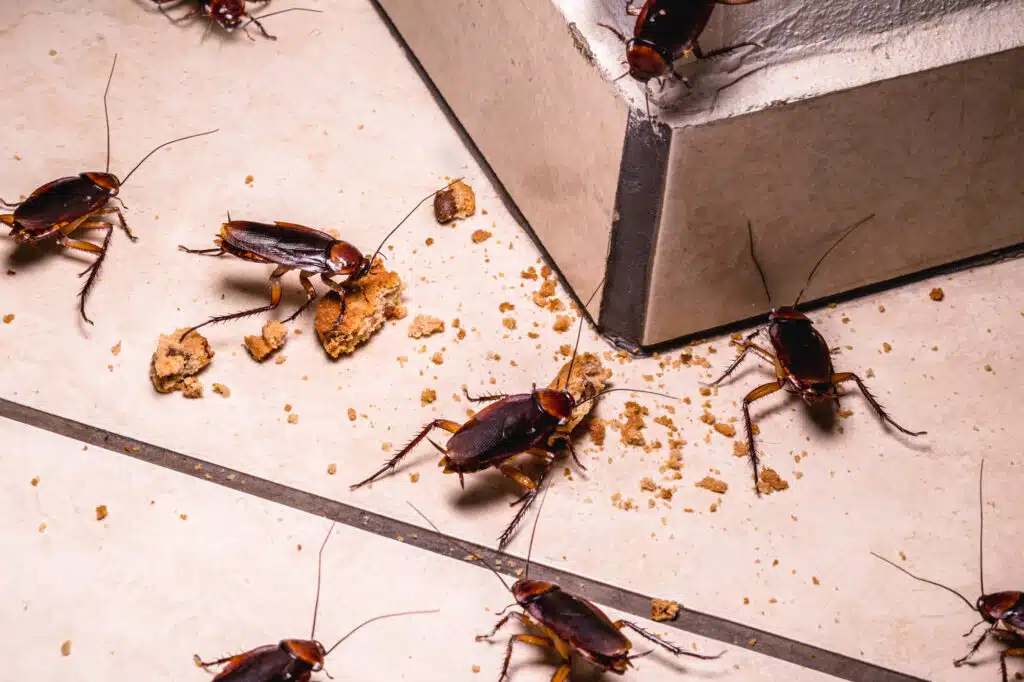
We’ve all been there—spotting a creepy crawler in the kitchen or hearing a scurrying sound behind the walls. The first instinct is often to grab a can of bug spray or head to the store for traps. It’s easy to think, “I can handle this myself!” But when it comes to DIY pest control vs professional solutions, should you really trust the DIY pest control methods, or is it time to call in the experts? Let’s face it, pest problems aren’t just an inconvenience; they can cause real damage to your home and health. In this blog, we’ll break down the pros and cons of both approaches so you can make an informed decision that’s right for you and your home.
DIY Pest Control vs Professional Services
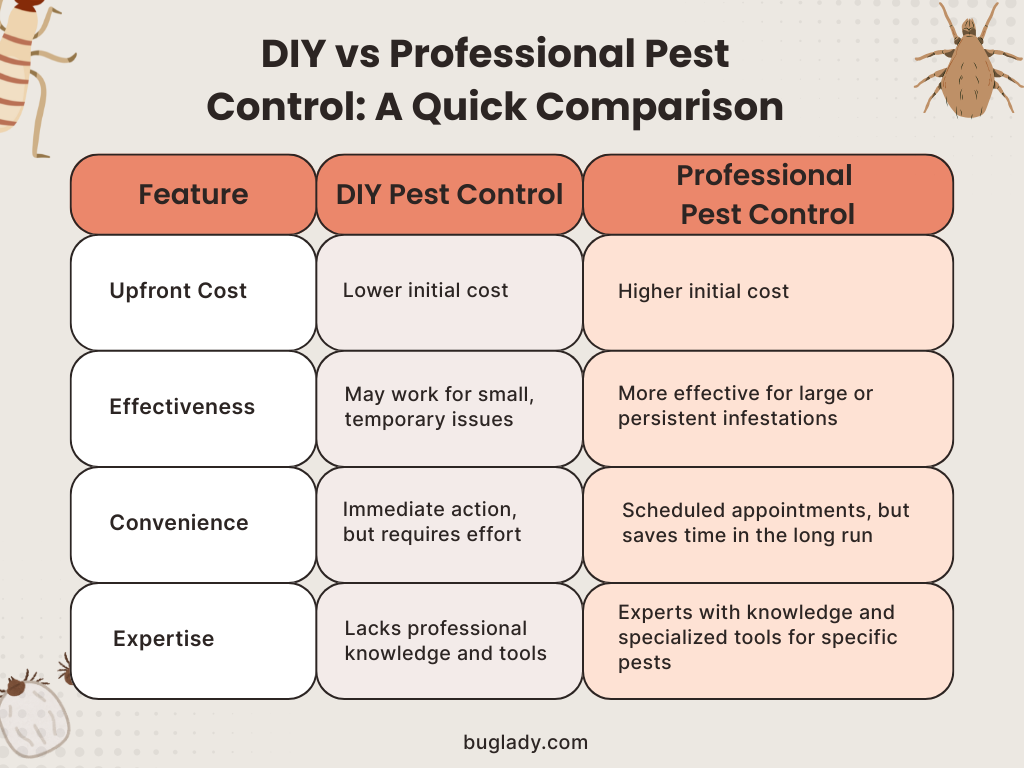
Before we dive in, let’s talk about the basics. When you take a DIY pest control at home approach, you’re handling the situation on your own. You head to the store, pick up some traps or sprays, and try to solve the problem yourself. On the other hand, professional pest control services involve calling in a trained team to assess, treat, and monitor the pest situation in your home.
So, what’s the best option for you? Well, it depends. Let’s break it down!
Pros of DIY Pest Control
Here are a few reasons why you might want to opt for DIY pest control.
Lower Upfront Cost
One of the biggest reasons people go the DIY route is cost. DIY pest control tends to be cheaper upfront. You can easily find pest control DIY kits, insecticides, traps, and sprays at your local store, and they’re usually fairly affordable. If you’ve got a small issue, this might seem like a reasonable option.
Convenience and Immediate Action
You don’t have to wait for an appointment with a pest control company. If you see a pest, you can take action right away. A quick trip to the store or an online order, and you’re good to go.
Sense of Control
There’s something satisfying about taking matters into your own hands. With DIY pest control, you’re in charge of the process. You can decide how and when to tackle the problem.
Targeting Small Infestations
If you’ve only got a minor issue—say, a couple of ants in the kitchen or a single mouse sighting—DIY pest control for rats or other small pests can be effective. In these cases, a quick fix may solve the problem without needing to call in a pro.
Cons of DIY Pest Control
Credit: krizenpest.com
But, hey, you should know about these facts as well before making a decision.
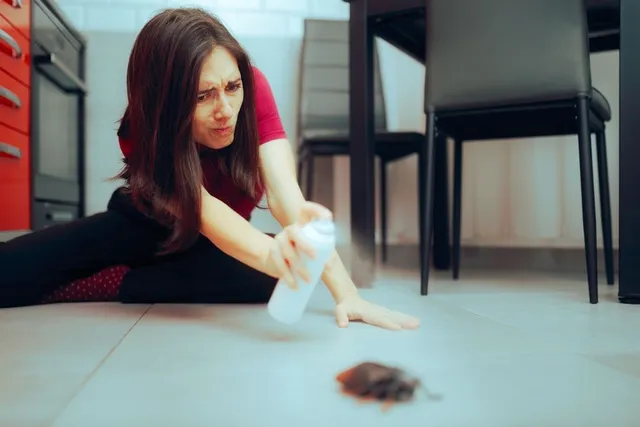
Limited Effectiveness for Larger Problems
Let’s be real: DIY pest control doesn’t always cut it. While store-bought sprays and traps can help with a small problem, they often won’t eliminate larger infestations. Termite infestations, for example, require more than a can of spray—they need a professional, targeted approach.
Safety Concerns
Some pest control products contain chemicals that can be harmful to pets, kids, and even you. If you don’t follow the instructions carefully, you could put your family’s health at risk. With pest control DIY kits, you’re responsible for understanding how to safely apply the product.
Time and Effort
Pest control isn’t always a quick fix. Sure, you might take care of a single pest here and there, but if you have an ongoing infestation, the time you spend troubleshooting and applying treatments can quickly add up. Many DIY termite treatments take multiple applications over weeks, with no guarantee of success.
Temporary Solutions
Many DIY pest control tips are just that—temporary. While they may kill the pests you see today, they don’t necessarily stop them from coming back tomorrow. A lot of DIY pest control for termites or rats only addresses the surface issue, not the root cause of the infestation.
Pros of Professional Pest Control
Credit: animal-pestcontrol.com
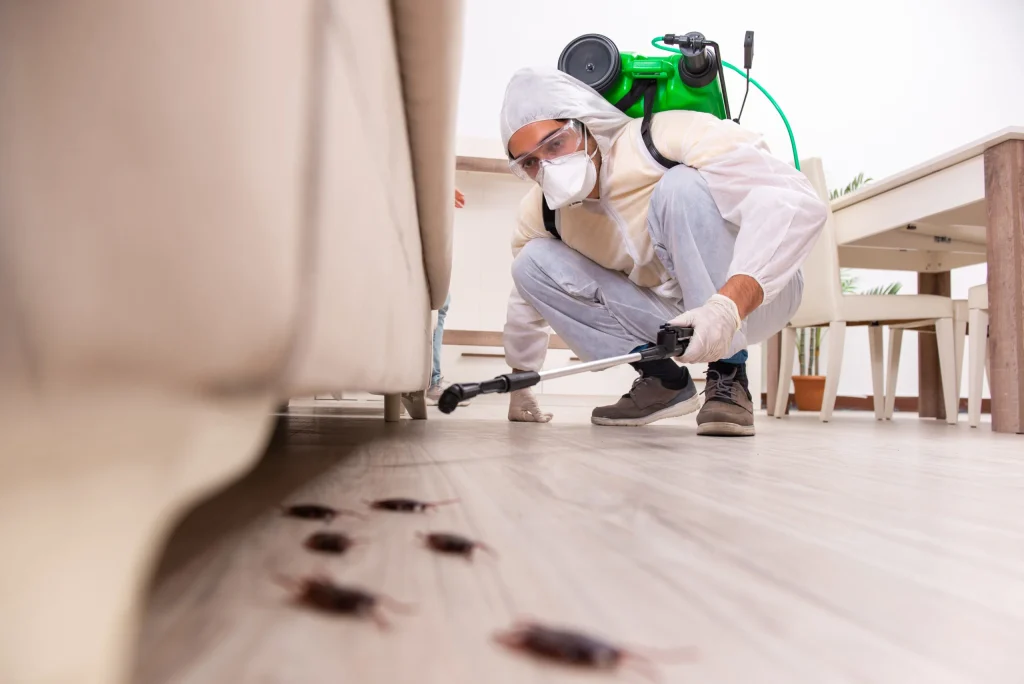
Experts can identify hidden infestations that you might miss. Here’s what you need to know.
Expert Knowledge
Pest control companies have the knowledge and experience to correctly identify the type of pest you’re dealing with. They can also determine the extent of the infestation and provide a treatment plan that targets the problem at its source. This expertise can make all the difference when dealing with tricky pests like termites or bed bugs.
Long-Term Solutions
Unlike DIY pest control, professional services focus on long-term pest prevention. They don’t just eliminate visible pests; they also assess how and why they’re getting into your home, and they treat for future problems. Professionals often provide follow-up visits to ensure that your home remains pest-free.
Targeted Treatments
Instead of guessing what might work, professionals use specialized tools and treatments that are proven to be effective. Whether it’s termite bait, baits, traps, or safe chemicals, experts know the best products for your specific pest problem.
Safety and Peace of Mind
Professional pest control companies use EPA-approved products that are safe for your family and pets. Plus, they have the training to apply treatments correctly, reducing the risks associated with improper use of chemicals.
Time-Saving
Calling in the pros saves you time and hassle. You won’t have to spend hours hunting down pests, researching treatments, or applying products. You can leave it to the professionals while you get back to enjoying your home.
Ready to save time and ensure your home is pest-free? Visit Bug Lady for the best residential pest control services, and let us take care of the rest!
Cons of Professional Pest Control
Credit: buzzkillpestcontrol.com
Let’s now talk about the costs you might need to pay for professional pest control.
Higher Initial Cost
While professional pest control can save you money in the long run by preventing damage, it does come with a higher initial price tag. Depending on the type of treatment and the extent of the infestation, you might have to invest a bit more upfront.
Need for Scheduled Appointments
If you’re dealing with a pest problem right now, you may need to wait for an appointment. Scheduling an inspection or treatment can take time, depending on the availability of local pest control companies.
Recurring Services May Be Necessary
For ongoing pest control, some services require regular visits to keep pests from coming back. This could be an inconvenience or an extra cost for some homeowners.
When DIY Pest Control Might Be the Right Choice
DIY pest control can work well for minor, temporary issues. If you’ve spotted a couple of ants or a single mouse, DIY pest control methods like traps or sprays can often get the job done. It’s also a good choice if you’re on a budget and are willing to spend time on your pest problem.
However, for more serious infestations or pests like termites, DIY pest control just isn’t enough. This is when professional pest control becomes essential.
When to Call in the Professionals
If you’re dealing with a major infestation or pests that require specialized treatments, it’s time to call in a pest control company. Professional pest control services are especially crucial when you’re dealing with the following:
- Termite problems: These can cause serious structural damage to your home and require targeted treatments.
- Bed bugs: These pests are tricky to eliminate and often require multiple treatments.
- Rodents: Mice and rats can cause electrical damage, spread diseases, and are hard to fully eliminate without professional help.
- Long-term pest issues: If pests keep coming back despite your best efforts, a professional will assess and solve the root cause of the problem.
In a Nutshell
When it comes to deciding between DIY pest control vs professional services, it all boils down to the extent of the pest problem you’re facing. DIY pest control might be fine for minor issues and simple solutions, but for bigger infestations or persistent pests, professional pest control is the safer, more effective route.
Frequently Asked Questions
Need more info on pest control? Check out our frequently asked questions.
Is DIY pest control safe for pets and kids?
It depends on the products used. Many DIY pest control products contain chemicals that can be harmful. Always read labels carefully and follow safety instructions.
How often should I get professional pest control services?
For most homes, a seasonal inspection every 3-6 months is recommended, especially for high-risk pests like termites or rodents.
Can I eliminate a termite problem with DIY methods?
DIY termite treatments typically won’t provide long-lasting results for termite infestations. Professional termite control is required to address the root of the issue.
How do I know if my pest problem is big enough to need professional help?
If you’re seeing pests frequently, hearing noises in the walls, or noticing termite damage or other damage to your property, it’s time to call a professional.
Are professional pest control services guaranteed?
Many pest control companies offer guarantees on their services. Be sure to ask about warranty options and follow-up treatments when booking your service.