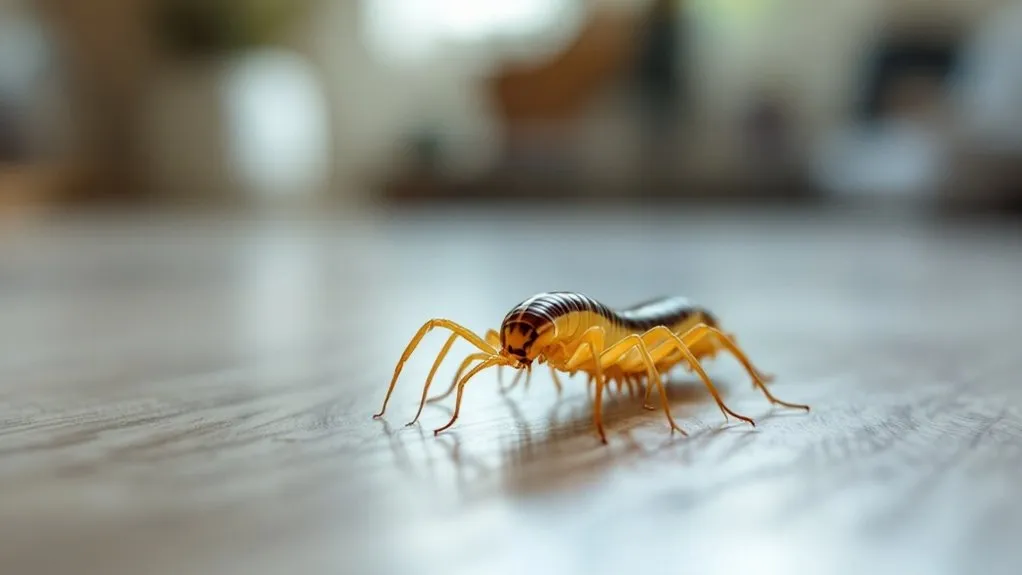
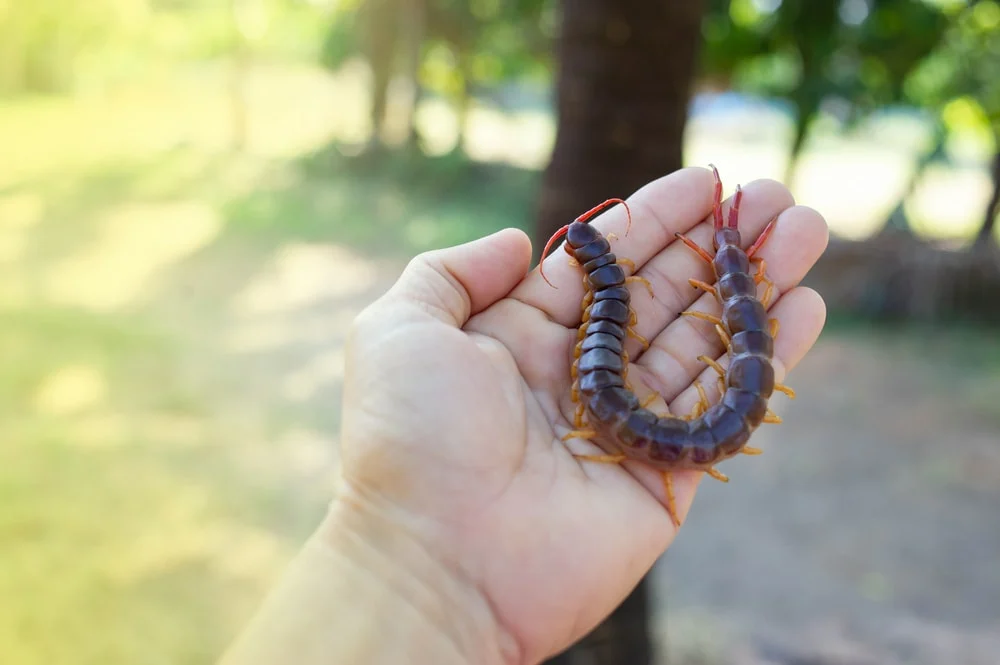
We’ve all had that moment—you’re just going about your day, and suddenly, a creepy house centipede zips across the floor, sending you into a mini panic! Those long, wiggly legs and that lightning-fast movement? Totally unsettling. But here’s the burning question: Do house centipedes actually bite? And if they do, should we be freaking out?
Don’t worry—I’ve got you covered! I’ll break down everything you need to know about these speedy little critters. From why they might bite to how to handle a bite (if you’re unlucky enough to get one) and tips to keep these little pests from invading your space, you’ll be fully armed with all the info you need. Let’s jump right in!
What Is a House Centipede Anyway?
Before we jump into bites and treatment, let’s get to know our guest of honor: the house centipede. These creatures are often mistaken for a terrifying insect, but they actually belong to a group of arthropods related to spiders and scorpions. Here’s a quick breakdown:
- Scientific name: Scutigera coleoptrata (try saying that five times fast!)
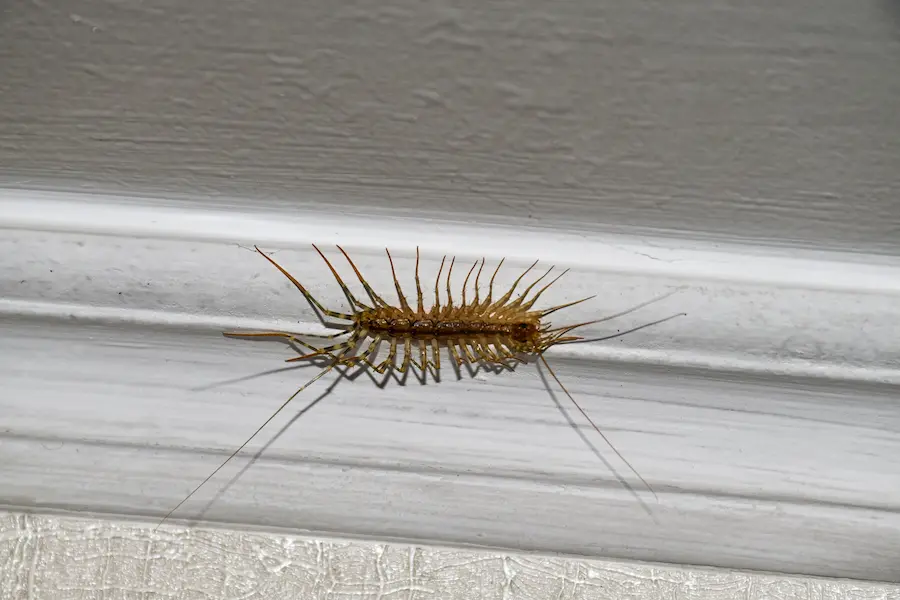
- Size: Typically about 1 inch long, but with legs extending much farther
- Appearance: 15 pairs of very long legs, a segmented body, and often a yellowish or grayish tint.
- Speed: House centipedes are lightning fast and can scurry across walls and floors with ease.
- Habitat: They love damp, dark areas like basements, bathrooms, and closets.
Now that you know what they look like, let’s talk about their habits.
Do House Centipedes Bite?
Yes, house centipedes can bite humans—but here’s the important thing: they don’t usually. These creatures are more interested in the insects and pests around your home, and they use their venomous bites to subdue their prey, not you.
Here’s what you need to know:
- Bites are rare: House centipedes typically only bite when they feel threatened or cornered. If you try to handle one (which, let’s be honest, isn’t the best idea), it might bite in self-defense.
- Why they bite: They use their bite to inject venom into their prey (usually insects). However, if they bite you, the venom isn’t dangerous to humans and is not likely to cause any serious issues.
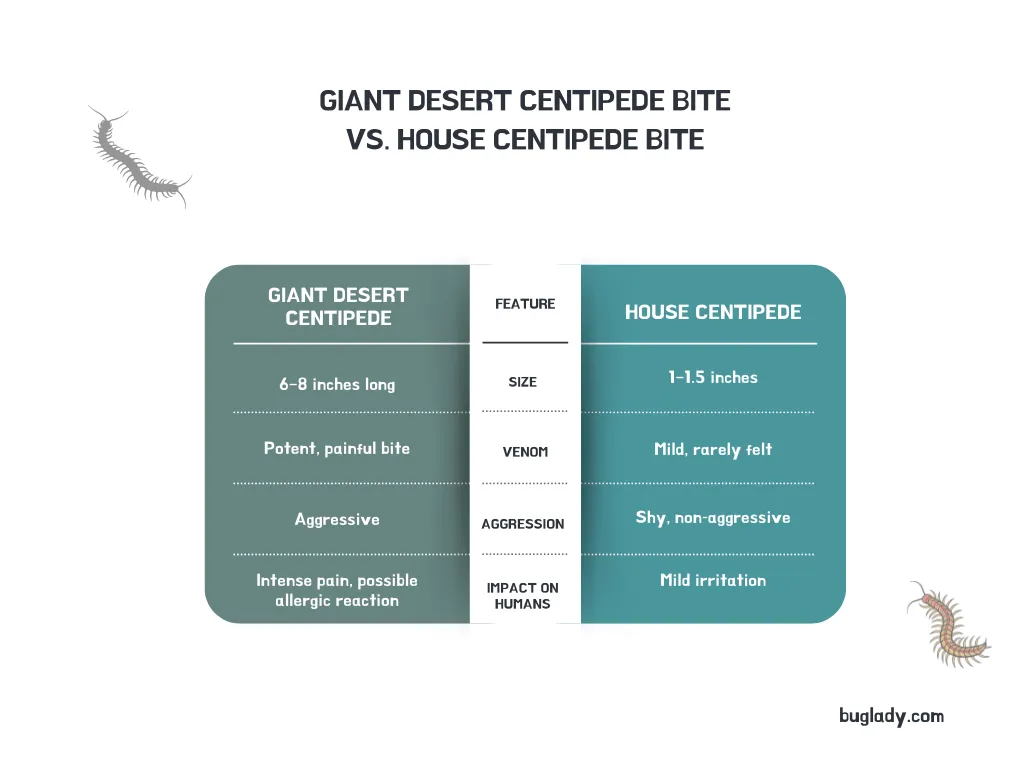
So, while they can bite, it’s not the same as worrying about a giant desert centipede bite or some other more venomous species. In fact, most people won’t even notice a bite from a house centipede.
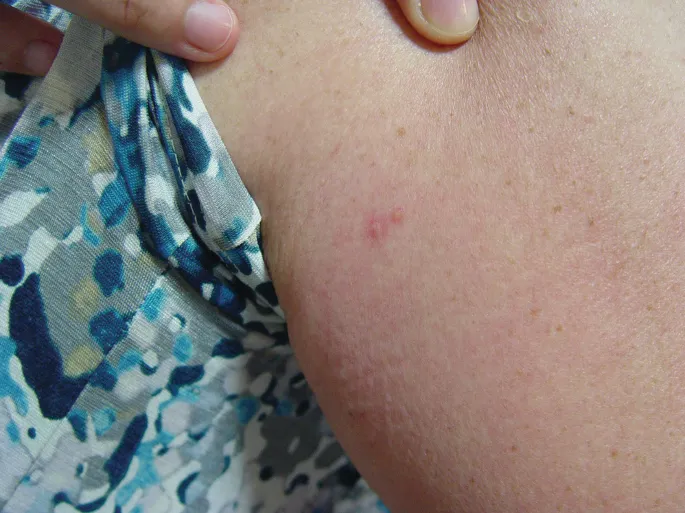
What Does a House Centipede Bite Look Like?
Credit: link.springer.com
So you’re asking: What does a house centipede bite actually look like? Great question!
If you’ve been unfortunate enough to be bitten, here’s what you might notice:
- Small puncture marks: House centipedes have tiny fangs, so their bite is usually a pinpoint puncture.
- Mild redness: Around the bite, you may see some redness similar to a small insect bite.
- Slight swelling: It’s rare, but if the bite area swells, it’s typically minor and should go down in a few hours.
- Itching: It might itch a little, but this is generally the extent of the symptoms.
For the most part, house centipede bite marks look like common insect bites—nothing to freak out over, but still uncomfortable.
If you’re looking for centipede bite photos, it’s helpful to know that the bite itself is small and usually doesn’t leave a noticeable scar or injury.
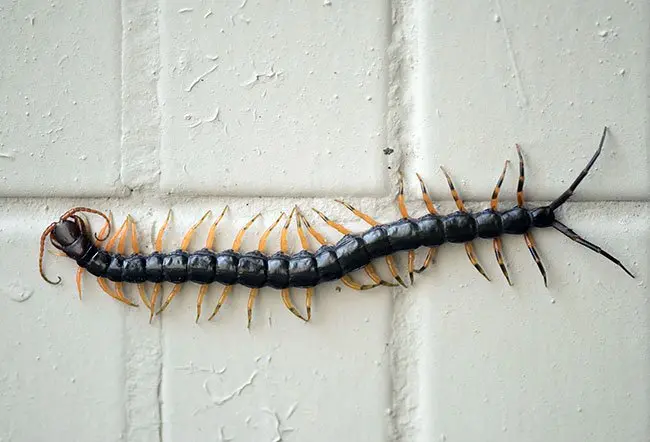
As you can see, giant desert centipedes are far more aggressive and dangerous, with a bite that can cause serious pain. House centipedes, on the other hand, are much less likely to bite and are mostly harmless.
Symptoms of a House Centipede Bite
House centipede bites aren’t usually a cause for alarm. However, if one does bite, here’s what you can expect:
Common Symptoms
- Mild redness: Around the bite site
- Slight swelling: This typically doesn’t last long
- Itching or discomfort: It can feel like a mild bee sting
- Pain: Usually, it’s very mild, but if you’re sensitive to insect bites, it might be more noticeable
When to Seek Medical Attention
While most house centipede bites aren’t dangerous, severe reactions can happen—though they are rare. Call a healthcare professional if:
- The pain lasts more than 48 hours
- The swelling continues to grow
- You experience difficulty breathing, dizziness, or a rash (signs of an allergic reaction)
Centipede Bite Treatment (Easy and Effective)
Credit: medicinenet.com
So, what happens if you do get bitten? Don’t panic! Here’s how to handle it:
Immediate First Aid
- Wash the bite area with soap and water to prevent infection.
- Apply a cold compress or ice pack wrapped in a cloth to the area for 10–15 minutes to reduce swelling and numb any pain.
- Elevate the affected area, if possible, to minimize swelling.
- Apply an anti‑itch cream or hydrocortisone ointment to help relieve any discomfort.
Natural Remedies
- Aloe vera: Apply aloe gel directly to the bite. It’s great for soothing inflammation.
- Tea tree oil: A natural antiseptic, it can help reduce swelling and fight infection.
- Honey: Has natural healing properties, and it can also help reduce irritation.
Are House Centipedes Dangerous?
You may be wondering: Should I be worried if I see these pests in my home? The short answer is no—house centipedes are not dangerous. Here’s why:
Benefits of House Centipedes
- They help control pests by feeding on spiders, ants, and other insects.
- They’re not aggressive and tend to avoid human contact.
Why You Shouldn’t Fear Them
House centipedes are just doing their job—keeping your home free from other pests. Plus, they generally aren’t dangerous to you or your pets. If you spot one in your home, don’t freak out. They’re just house guests who like to stay in dark, damp spaces.
Want more information on managing pests around your home? Check out our guide on common basement pests and how to handle them safely.
Why Do House Centipedes Appear in Your Home?
Credit: activepestcontrol.com
Centipedes are seeking food and shelter, which means they’re likely to invade your home if it offers a good environment. Here’s why they show up:
- Moisture: Basements, bathrooms, and kitchens with leaks or high humidity are prime targets.
- Food sources: They thrive on small insects like ants and spiders, so your home’s pest population might attract them.
- Warmth and shelter: Centipedes seek cool, dark, and damp areas to hide during the day.
Want to keep them away? Keep your home dry, clean, and free of the bugs they feast on.
How to Keep House Centipedes Out of Your Home
If you’re tired of seeing these fast movers, here’s what you can do to make your home less inviting:
- Fix leaks and moisture problems: Centipedes thrive in damp environments, so fix leaks in pipes, sinks, and around windows.
- Seal cracks and gaps: Check around windows, doors, and foundations for any gaps where centipedes might sneak in.
- Reduce clutter: Centipedes love hiding in cluttered areas. Keep your home neat, especially in dark areas like basements.
- Use natural repellents: Essential oils like eucalyptus, lavender, and peppermint can help deter them.
The Final Word
To sum it all up: Do house centipedes bite? Yes, but only rarely, and when they do, the bite is typically not dangerous. These creatures are more interested in controlling your home’s insect population than biting humans. So, as long as you’re not poking around in their hiding spots, you have nothing to fear.
For those occasional bites or to prevent these speedy pests from invading your space, follow the tips above, and if needed, call in a centipede pest control professional. If you’re dealing with more than just house centipedes and need help, explore our commercial pest control services.
And remember, when it comes to keeping your home safe and pest-free, BugLady is here for all your pest control needs!
FAQs
Curious about house centipedes? Here’s a quick roundup of the most common questions!
Do house centipedes bite humans?
Yes, but only rarely and usually with mild symptoms.
What does a house centipede bite look like?
It’s small, red, and a bit swollen, similar to an insect bite.
Are centipedes dangerous?
No, house centipedes are not dangerous to humans.
How do you treat a centipede bite?
Clean the bite, apply ice, and use anti‑itch cream.
What attracts house centipedes to my home?
Moisture and pests are the main reasons they come inside.