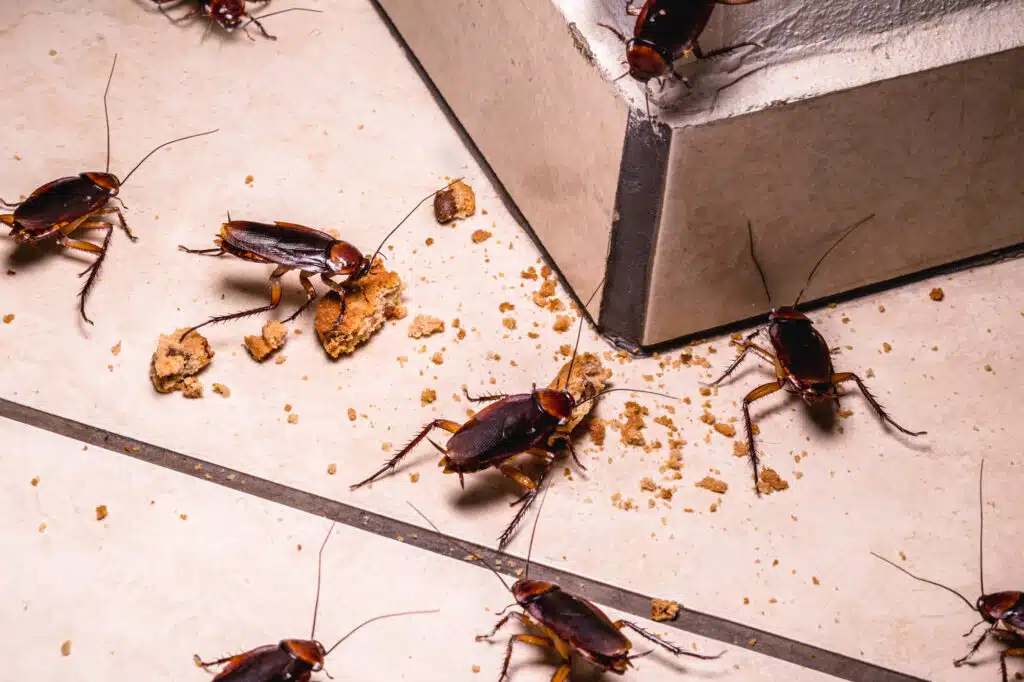
Let’s be real for a moment—cockroaches are the last roommates anyone wants. They sneak across kitchen counters, disappear into tiny cracks, and somehow show up the second the lights go off. Just seeing one can make your skin crawl. And that usually leads to one unsettling question many people wonder about: do cockroaches bite?
The surprising answer is yes… but it’s very rare. Still, a cockroach bite can happen under certain conditions—especially when infestations grow or food sources become scarce. If you’ve ever woken up with a strange red bump and thought, “What bit me?”, cockroaches might have crossed your mind. In this guide, I’ll walk you through what a cockroach bite actually is, how to recognize the symptoms, and the simple ways to treat it if it happens.
Let’s break it all down—quickly, clearly, and without the creepy confusion.
Do Cockroaches Bite Humans?
Yes, cockroaches can bite humans, but it is uncommon. Roaches are scavengers. They prefer crumbs, grease, garbage, and organic waste. In other words, humans are not on their regular menu. But when food sources are limited or infestations become severe, cockroaches may nibble on exposed skin—especially while a person is asleep.
You might be wondering:
- what do cockroaches eat? Mostly leftovers, starches, grease, and decaying organic matter.
- where do cockroaches come from? They sneak inside through drains, pipes, cardboard boxes, grocery bags, and cracks in walls.
If a home has a large infestation, the chances of a cockroach bite increase.
Why Would a Cockroach Bite Someone?
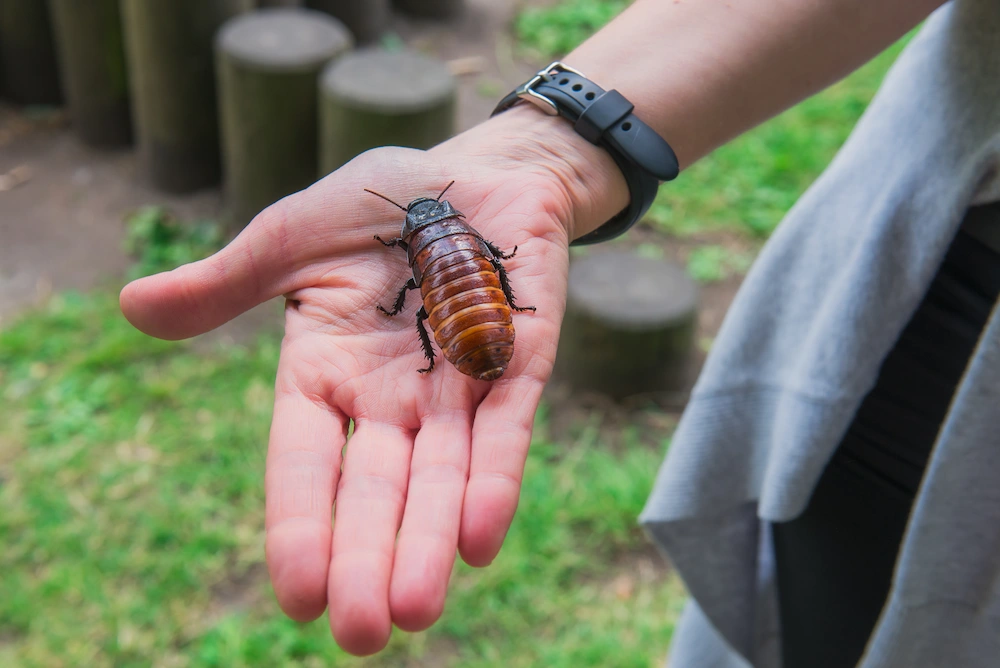
Credit: pointepest.com
Roaches are survival experts. When food becomes scarce, they explore other options.
Here are the most common reasons a cockroach bite might occur:
a) Food residue on skin
Sweat, food particles, or toothpaste residue can attract them.
b) Heavy infestation
If there are too many roaches competing for food, they become more desperate.
c) Nighttime activity
Cockroaches are nocturnal. While you sleep, they roam.
d) Limited food supply
In extreme infestations, they may nibble on dead skin or nails.
Areas that are most commonly bitten include:
- fingers
- hands
- eyelids
- feet
It sounds unpleasant, but again, it’s rare.
What Does a Cockroach Bite Look Like?
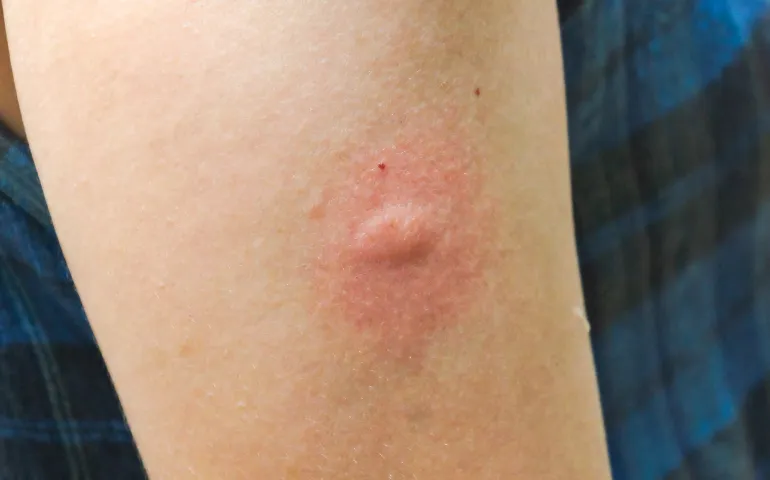
A cockroach bite usually appears as a small red bump. Many people confuse it with bed bug bites or mosquito bites.
Typical signs include:
- small raised red mark
- mild swelling
- itching or irritation
- occasional crust or scab
In most cases, the bite is harmless and heals within a few days.
However, people with sensitive skin may notice more irritation.
Symptoms of a Cockroach Bite
Credit: altapestcontrol.com
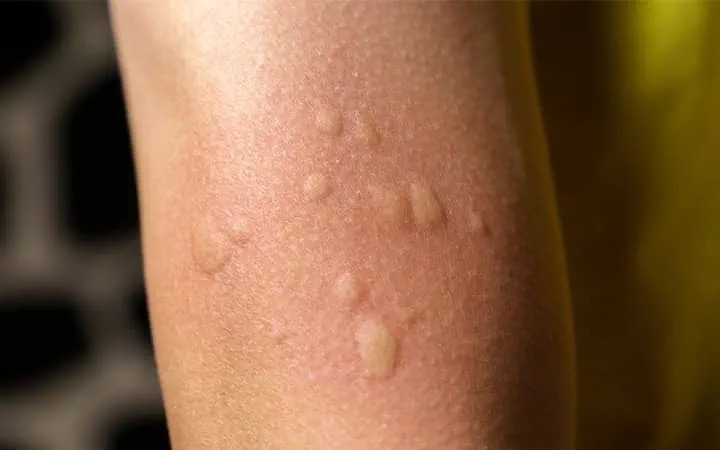
The symptoms are usually mild, but they can vary. Watch for these signs:
• redness around the bite
• itching or irritation
• swelling
• small clusters of marks
Rarely, some people may experience:
- allergic reactions
- skin infection if scratched excessively
Cockroaches are known carriers of bacteria, which is why maintaining pest control is important.
You can learn more about the broader health risks of pests in this guide.
How to Treat a Cockroach Bite
If you suspect a cockroach bite, don’t panic. Treatment is simple and usually done at home.
Follow these steps:
Clean the Area
Wash the bite with warm water and soap. This removes bacteria and reduces infection risk.
Apply an Antiseptic
Use antiseptic cream or rubbing alcohol to disinfect the area.
Reduce Swelling
A cold compress helps reduce itching and swelling.
Use Anti-Itch Cream
Hydrocortisone or antihistamine creams can relieve irritation.
Avoid Scratching
Scratching can lead to infection or scarring.
If symptoms worsen or signs of infection appear, consult a doctor.
When a Bite Is a Sign of a Bigger Problem
Credit: uhhospitals.org
A single cockroach bite is not usually a medical emergency. But it can be a warning sign.
If bites happen repeatedly, your home may have an infestation.
Look for these clues:
- droppings that resemble black pepper
- egg cases (called cockroach eggs)
- a musty smell
- sightings of a small cockroach or baby cockroach during the day
Seeing a baby cockroach is especially concerning because it often means a nest is nearby.
Can Cockroaches Fly?
Another question people often ask is, can cockroaches fly? The answer depends on the species.
Some species glide or fly short distances. A flying cockroach may suddenly appear when disturbed, which is why they seem extra alarming.
But most household species prefer running rather than flying.
Where Do Cockroaches Hide in Homes?
Roaches love dark, warm, and moist spaces.
Common hiding spots include:
- kitchen cabinets
- under sinks
- behind appliances
- inside drains
- cardboard boxes
- cracks in walls
They may also travel through shared plumbing systems in apartments or commercial buildings.
If you manage a business property, professional pest management is essential. You can learn more about professional solutions here.
Cockroaches vs Other Household Pests
Credit: mygreenhousepro.com
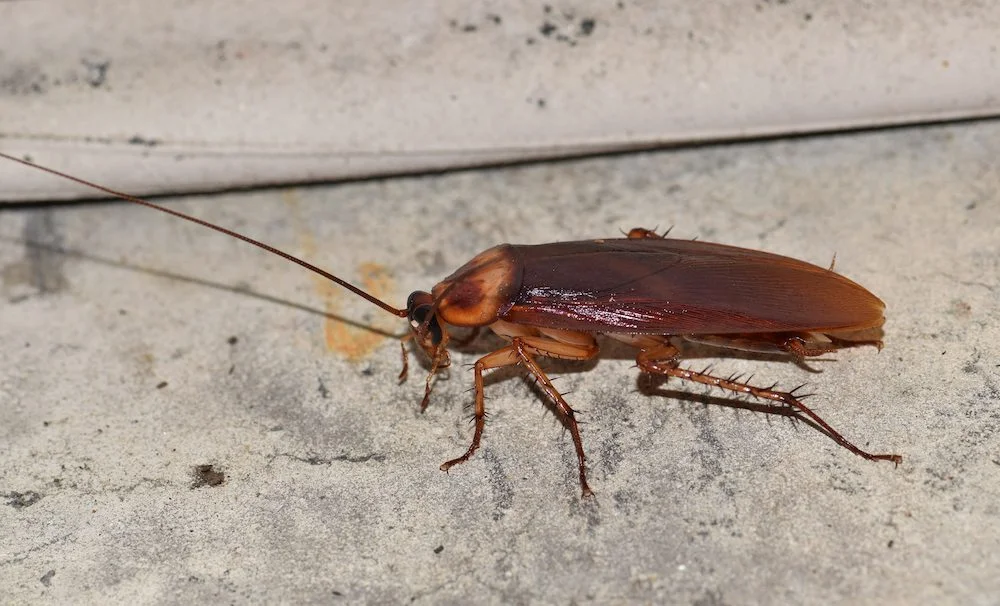
Many homeowners mistake cockroach bites for other pest bites.
For example:
- bed bugs cause clusters of bites
- mosquitoes leave swollen welts
- fleas target ankles
Sometimes, homes with cockroach problems also experience other pests.
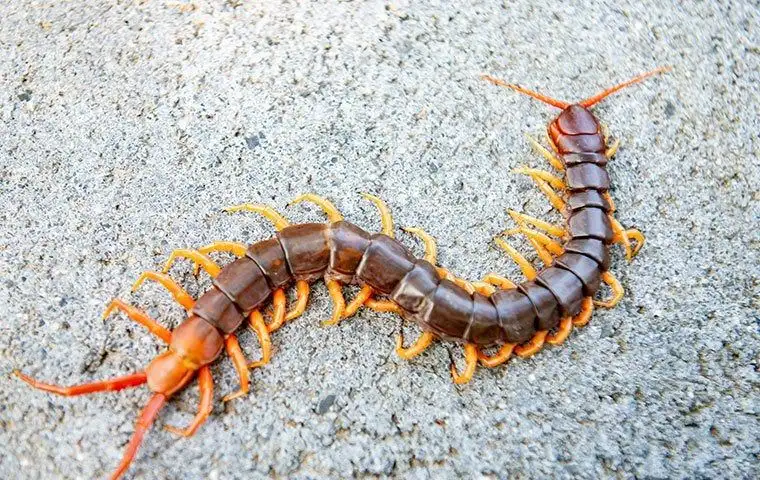
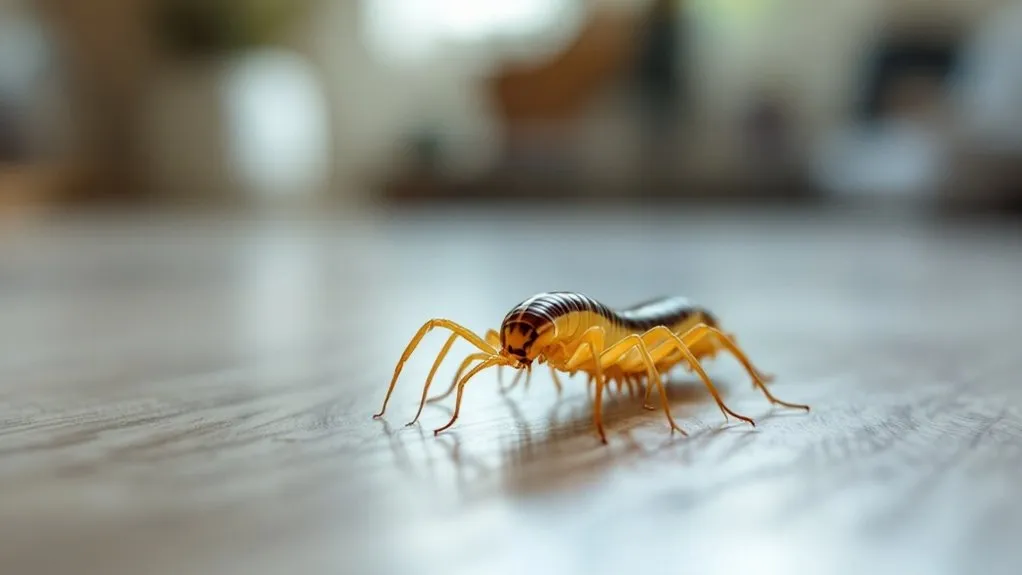
For instance, centipedes often appear where insects are present because they hunt them for food.
How to Prevent Cockroach Bites
Prevention is much easier than dealing with an infestation.
Try these simple steps:
a) Keep Kitchens Clean
Wipe surfaces and avoid leaving crumbs overnight.
b) Seal Entry Points
Close cracks, gaps, and pipe openings.
c) Store Food Properly
Use sealed containers.
d) Take Out Garbage Regularly
Trash attracts roaches quickly.
e) Fix Leaks
Cockroaches thrive in moisture.
If infestations persist, professional pest control is the safest solution.
Signs Your Home May Have a Cockroach Infestation
Credit: neighborlypest.com
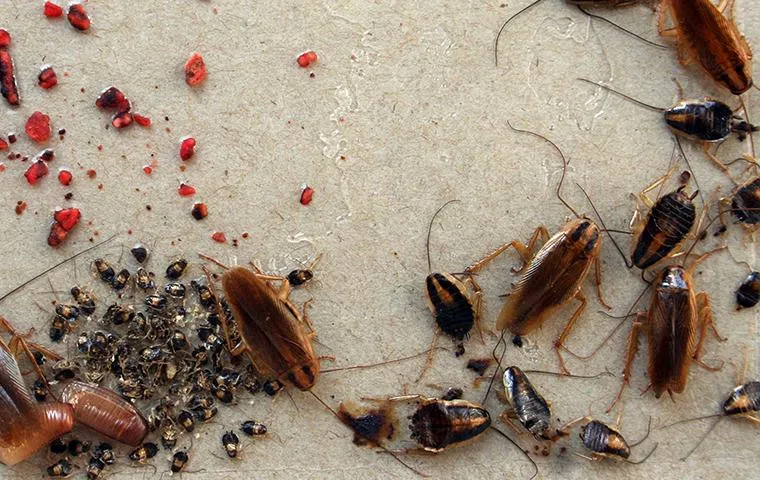
You should take action if you notice:
• frequent sightings at night
• egg casings (cockroach eggs)
• shed skins
• strong musty odor
• droppings near cabinets
These signals mean the population is growing.
The sooner you address it, the easier it is to control.
The Real Danger of Cockroaches
Even if a cockroach bite itself is mild, cockroaches pose other health risks.
They can spread bacteria and allergens linked to:
- asthma
- food contamination
- allergic reactions
They crawl through drains, garbage, and sewage before walking across your kitchen surfaces.
That’s why eliminating them quickly matters.
Final Word
A cockroach bite is uncommon, but it can happen when infestations grow out of control. The good news? Most bites are mild and easy to treat. However, the real problem isn’t the bite—it’s the presence of cockroaches themselves. If you start noticing baby cockroach sightings, cockroach eggs, or repeated pest activity, it’s time to take action. Keeping your home clean, sealing entry points, and using professional pest control services can protect your health and keep these unwanted guests out for good.
Because when it comes to cockroaches, prevention is always better than dealing with the aftermath. If you suspect an infestation, it’s best to contact a professional cockroach pest control provider for safe and effective removal.
FAQs
Before we wrap up, here’s a quick look at some of the most commonly asked questions about cockroach bites. These brief answers will help clear up common concerns homeowners often have.
Do cockroaches bite humans while sleeping?
Yes, but it is rare. A cockroach bite may occur if food residue is present on the skin or infestations are severe.
What does a cockroach bite look like?
It usually appears as a small red bump that may itch or swell slightly.
Are cockroach bites dangerous?
Most bites are harmless, but scratching can cause infection.
Can cockroaches fly?
Some species can glide or fly short distances, which is why people sometimes encounter a flying cockroach indoors.
What attracts cockroaches to homes?
Food crumbs, garbage, moisture, and warm hiding spots attract them.