Bees, much like in the Bee Movie, have an important role in our world—pollinating plants, keeping ecosystems thriving, and, well, making honey! But when they decide to set up shop a little too close to your home or business, it’s easy to feel like they’ve overstepped their welcome. Whether it’s a honeybee colony claiming your backyard, carpenter bees taking aim at your wood, or a wasp nest turning your porch into a no-fly zone, I totally get the urge to take action. Don’t worry, though; I’m here to share some safe and effective ways to handle these buzzing invaders and to get rid of bees without causing harm to them—or yourself. Let’s talk about how we can manage these busy little creatures in a way that leaves both you and the bees buzzing happily.
Why Bees Matter: The Buzz Behind Their Importance
Before we rush into getting rid of bees, let’s take a moment to appreciate why they’re so essential. These tiny creatures may seem like just a nuisance when they’re buzzing around your yard, but in reality, they’re superheroes of our ecosystem. Especially honeybees—they’re busy making the world a better place, one pollination at a time!
Here’s why bees deserve our respect:
- Pollination Powerhouses: Bees pollinate about 75% of flowering plants, including the ones that make up our food supply. That’s right—they’re responsible for the fruits, vegetables, and nuts we enjoy every day.
- Vital to Biodiversity: Without bees, plants wouldn’t reproduce, which would cause a ripple effect on the entire food chain.
- Honey Production: Beyond pollination, bees give us honey—nature’s sweet treat!
But, as much as we love them for all they do, there comes a time when bees can pose a risk to your health or become a bit too close for comfort. When that happens, it’s time to step in and handle things in the safest, most effective way possible—without disturbing their important role in the environment.
So, while we respect the buzz, let’s make sure we manage these buzzing buddies responsibly!
The Best Way to Get Rid of Bees: Be Smart, Be Safe
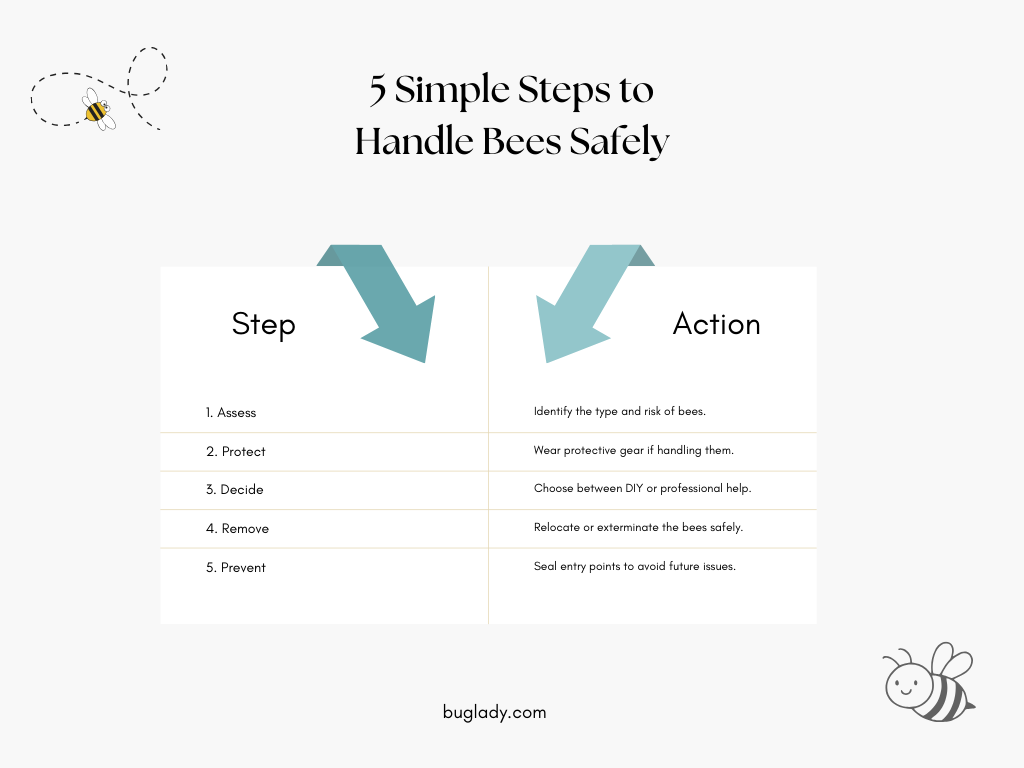
Choosing the right method to handle a bee problem is crucial—be kind to the bees while protecting your home with safe, effective, and humane solutions.
Professional Beekeeping Services: A Smarter Choice
If you’ve got a bee problem, calling in the pros is usually the best and safest option. Local beekeepers are experts at relocating bees without harm, making sure they continue their essential pollination work in a safer spot.
Here’s why professional bee removal is a great choice:
a) Safe Relocation: Beekeepers safely move the bees to a new home, ensuring they’re not harmed in the process.
b) Humane & Eco-Friendly: You’re protecting the bees while solving your problem—an eco-conscious solution.
c) Affordable Solutions: Many bee removal services offer budget-friendly options, keeping things easy on your wallet.
So, if you’re dealing with a bee invasion, reach out to a professional—it’s the safe and responsible way to go!
DIY Bee Removal: Protective Gear Is Key
If you’re facing a small bee problem, you might consider DIY bee removal. However, safety should always be your top priority. Here’s a simple guide on how to handle a bee infestation on your own:
- Protective Gear: Always wear protective clothing, including a bee suit, gloves, and a veil. This will help protect you from stings, especially if you’re dealing with aggressive species like killer bees.
- Identify the Type of Bee: Different bees require different treatment. Carpenter bees drill holes in wood to lay their eggs, while ground bees nest in the soil. Identifying the type of bee can help you determine the best approach.
- Use Natural Repellents: Some natural solutions, like citronella or essential oils, can act as repellents for bees. You can use a mixture of peppermint oil and water to spray around the bee’s nest.
- Avoid Using Harsh Chemicals: If you must use pesticides, ensure they are bee-safe. The last thing you want is to harm pollinators.
Note: If the bee infestation is extensive, or if you’re allergic to bee stings, always opt for professional help rather than trying to handle the situation yourself.
Why You Shouldn’t Kill Bees?
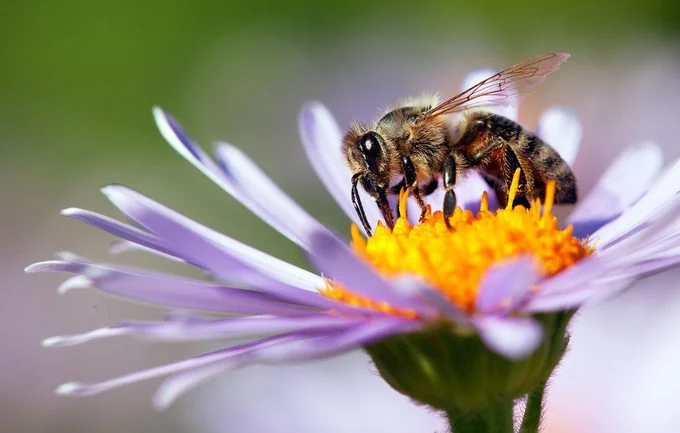
Credit: familyhandyman.com
Bees are essential for biodiversity and food production, and while their presence around your home can be intimidating, it’s important to avoid resorting to killing them. Here’s why:
- Ecological Role: Bees pollinate 75% of flowering plants and around 35% of food crops globally. Without them, our food supply would be in jeopardy.
- Health Risk: Attempting to kill bees increases the risk of being stung. Aggressive bees, like killer bees, can become even more dangerous when threatened.
- Legal Protection: In some areas, bees are protected by law due to their crucial role in the ecosystem. Killing or harming bees could have legal repercussions.
Instead of reaching for the bug spray, consider safer, more humane methods like relocation or working with a professional.
How to Get Rid of Carpenter Bees
Carpenter bees are known for their habit of drilling holes into wood to lay their eggs. Over time, they can cause significant damage to wooden structures. To get rid of carpenter bees, you can:
i. Seal Holes: After you’ve dealt with the bees, seal up any holes they’ve created with caulk or wood putty to prevent them from coming back.
ii. Use Traps: Carpenter bee traps can help catch bees and relocate them.
iii. Bait and Repellents: Using natural repellents like eucalyptus or almond oil can help keep carpenter bees away.
However, if the infestation is large, or if you’re unsure how to handle it safely, consider hiring a carpenter bee exterminator for professional help. They can provide a long-term solution to prevent further damage.
How to Exterminate Bees in the Ground
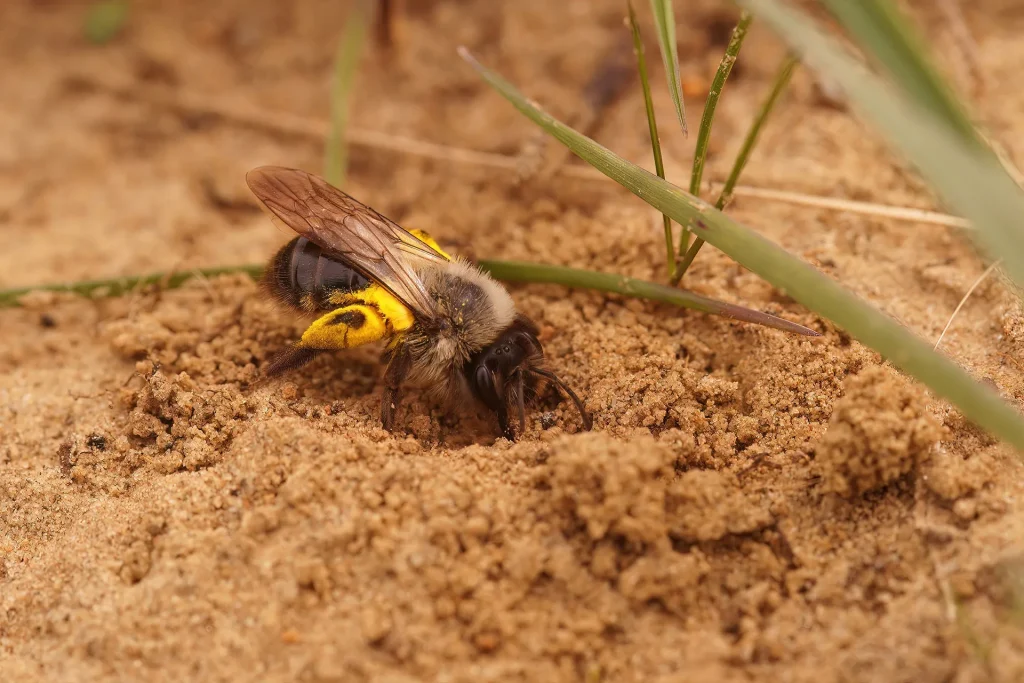
Credit: beehunterma.com
Ground bees can be difficult to remove, but with the right approach, it’s possible. Follow these steps to get rid of ground bees:
Step 01. Locate the Nest
Ground bees usually nest in soil, creating small holes. Identify the exact location of the nest.
Step 02. Use Water or Soap Solution
Pour a mixture of water and dish soap into the nest entrance. This disrupts the bees’ ability to breathe and forces them to leave.
Step 03. Cover the Hole
Once the bees have vacated, cover the hole with soil or a heavy cloth to prevent the bees from returning.
For large infestations or if you have concerns, it’s best to contact a bee exterminator or pest control professional.
The 7/10 Rule for Bees: What Is It?
The 7/10 rule for bees is a guideline that suggests not disturbing a bee colony or nest unless the bees are posing an imminent danger to humans. It emphasizes that if a colony is located at least 7 to 10 feet away from your living or working areas, you may want to leave them alone. Bees typically won’t venture far from their nests, so as long as they’re not a direct threat, there’s no need to intervene.
However, if the bees are too close to your living spaces or cause allergic reactions, immediate action is required. This is when contacting a professional bee exterminator becomes the best course of action.
Avoiding Future Bee Problems: Prevention Tips
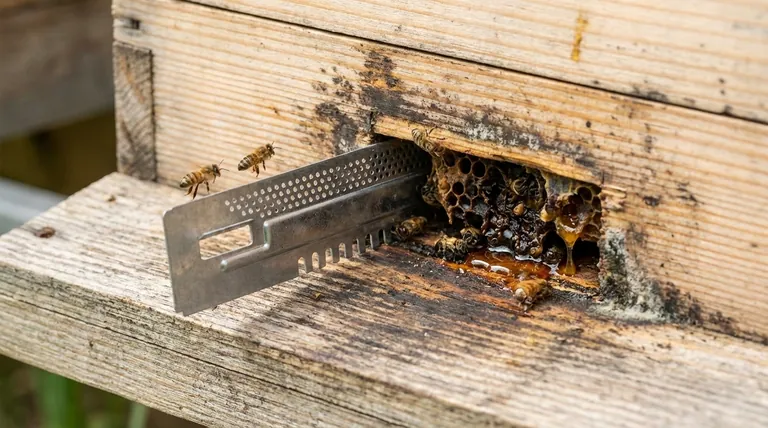
Credit: honestbeeltd.com
Once you’ve dealt with your bee issue, preventing future infestations is crucial. Here are a few tips:
- Seal Entry Points: Check for cracks or holes in walls, windows, and doors where bees could enter. Sealing these gaps can keep bees from establishing new colonies in your home.
- Remove Bee-Friendly Plants: Some flowers attract bees more than others. If you’re trying to avoid bees, consider replacing bee-friendly plants with those that don’t draw them in.
- Call a Professional: Regular inspections from a professional bee and wasp exterminator can help identify and address any potential issues before they become major problems.
Services to Help with Bee Issues
If you need expert help to deal with your bee problem, there are several services available to make the process easier:
- Bee Removal Services: If you’re dealing with an established colony, consider professional bee removal services like the ones offered by Bug Lady Pest Control. Their experts can safely relocate bees without harm to the colony.
- Pest Prevention Plans: Prevent future infestations by signing up for a pest prevention plan.
- Pest Control Classes: Want to learn more about pest management and prevention? Contact us now!
Ending Remarks
Getting rid of bees doesn’t mean harming them. By understanding their importance, using safe removal techniques, and calling professionals when necessary, you can deal with bee infestations while protecting both your home and the environment. If you’re unsure how to get rid of bees, contacting a local beekeeper or bee exterminator is always a smart choice.
Take action today to ensure you live bee-free tomorrow!
FAQ’s
Let’s answer some of your questions about dealing with bees!
How do I get rid of bees naturally?
Try natural repellents like peppermint or citronella oils around the nest to keep bees at bay.
Can bees harm me?
Bees usually sting only when threatened. If you’re allergic, avoid them and get professional help ASAP.
What’s the best way to get rid of carpenter bees?
Seal their holes, use traps, or call a carpenter bee expert for a lasting fix. Our team at BugLady can help with carpenter bee control to keep your home safe.
Are bee exterminators expensive?
Costs vary, but it’s always a good idea to get a quote from a pro to know what you’re working with.
How do I know if I have a bee infestation?
Look for bees frequently entering or exiting a spot, or check for holes in wood. If in doubt, contact BugLady for a professional inspection. We offer comprehensive pest prevention plans to protect your home from future infestations!