If you’re someone who gets as excited as I do about harvest time, then you’ll know it’s not just about the reward – it’s about the journey. But when pests start threatening all your hard work, it can be frustrating, right? Don’t worry – I’ve got you covered! This guide is all about helping you protect your harvest and keep those little invaders away, naturally. Let’s get started with our tree pest control guide!
Understanding Tree Pests and Their Impact
First things first, let’s talk about why tree pests are such a problem for your trees. Tree pest management is essential because these pests aren’t just annoying; they can cause real damage. Some pests feed on the leaves, while others burrow into the trunk or roots, weakening the tree. The damage can lead to long-term health issues or, in severe cases, even the death of the tree.
The tricky part is that pests can be hard to spot, especially in the early stages. A tiny hole in the bark or a slight discoloration on the leaves might not seem like much, but it’s a signal that something is amiss. Whether you’re dealing with lemon tree pests, cherry tree pests, or fruit tree pests, addressing these issues early will help prevent long-term damage.
Don’t let pests take over your trees! Reach out to BugLady for tree pest management solutions that will keep your trees healthy year-round.
Common Tree Pests and How They Affect Your Trees
Understanding which pests are causing trouble is the first step in pest control for trees. Here are some of the most common offenders:
Aphids
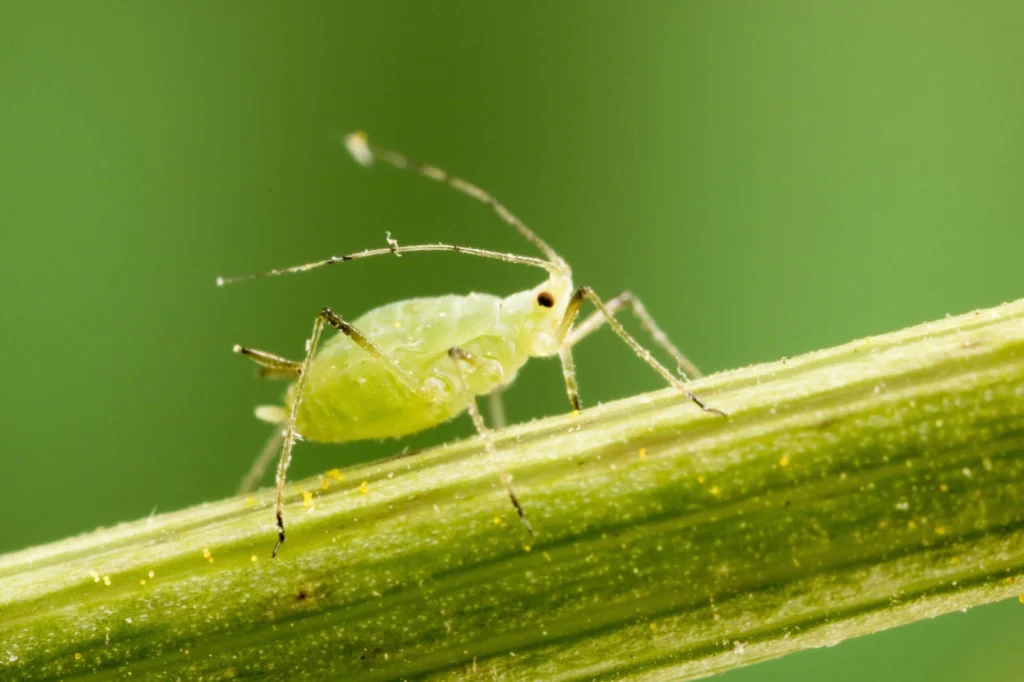
Credit: horticultureunlimited.com
These tiny insects suck the sap out of leaves, causing them to curl and yellow. Over time, aphid infestations can weaken the tree, making it more vulnerable to other pests and diseases like bacterial canker.
Caterpillars
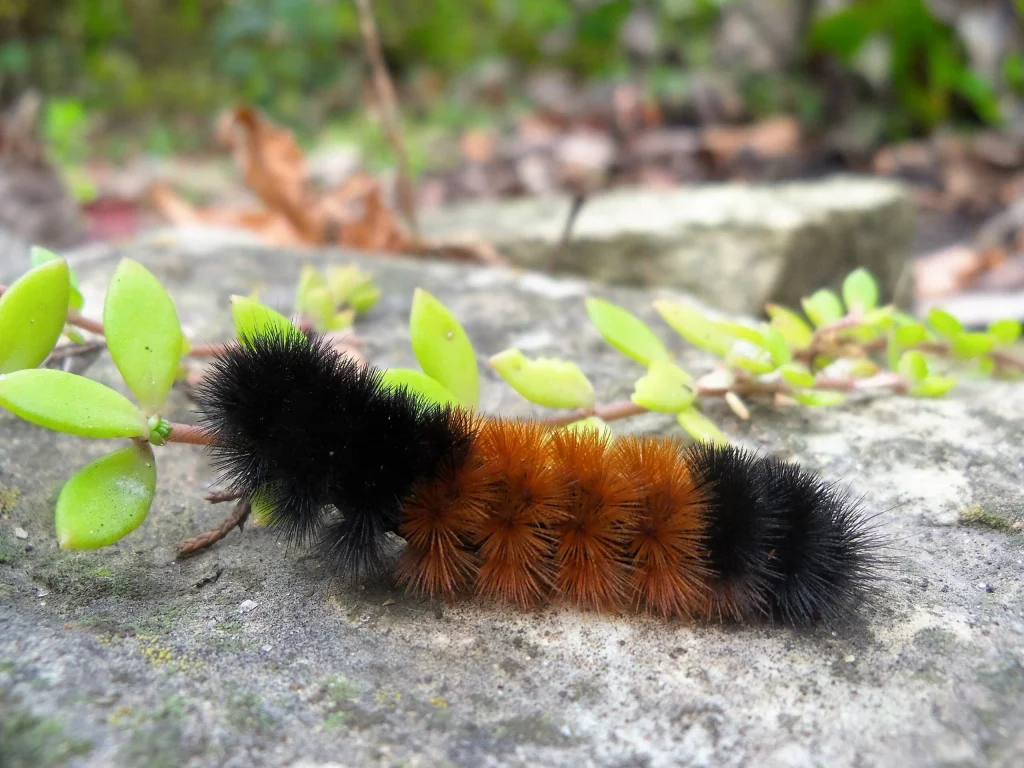
Credit: hobbyfarms.com
From the familiar inchworm to various other species, these pests can defoliate a tree in a matter of weeks. Stone fruit trees like peaches and cherries are particularly susceptible to caterpillar damage.
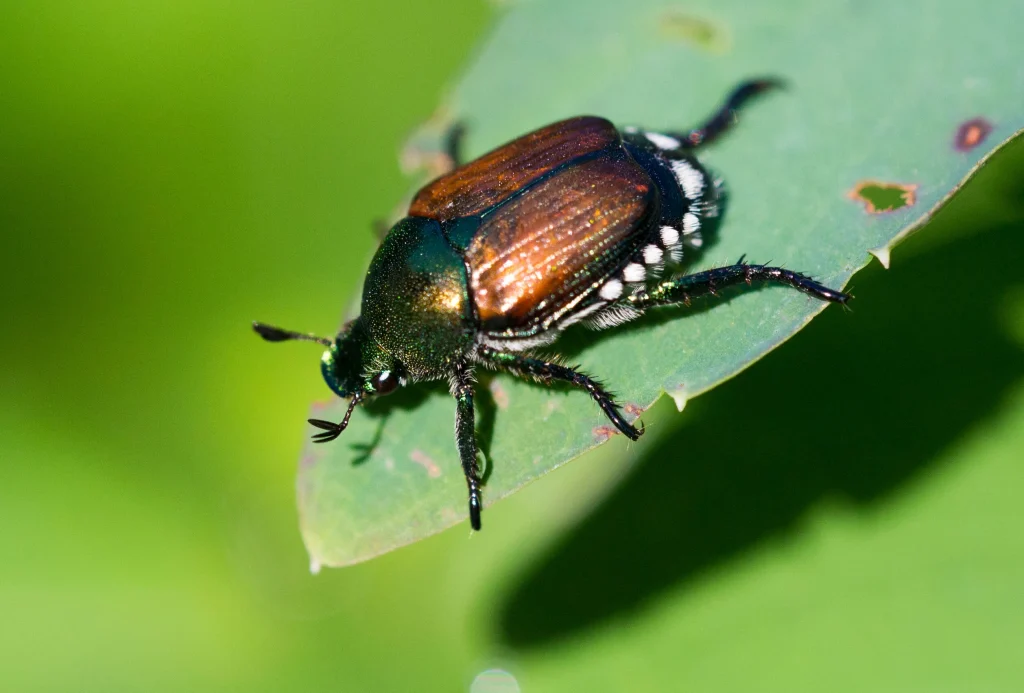
Japanese Beetles
Credit: koppert.com
They love to munch on the leaves of trees, leaving them skeletonized and vulnerable to other pests or diseases.
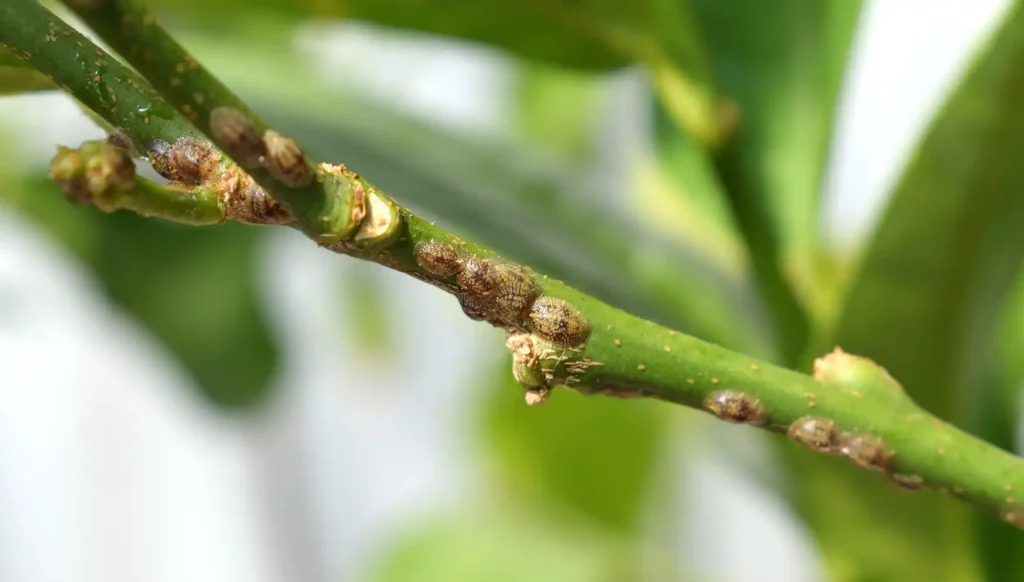
Scale Insects
Credit: plnts.com
These critters latch onto tree trunks or branches and suck out nutrients, often weakening the tree to the point where it can’t thrive.
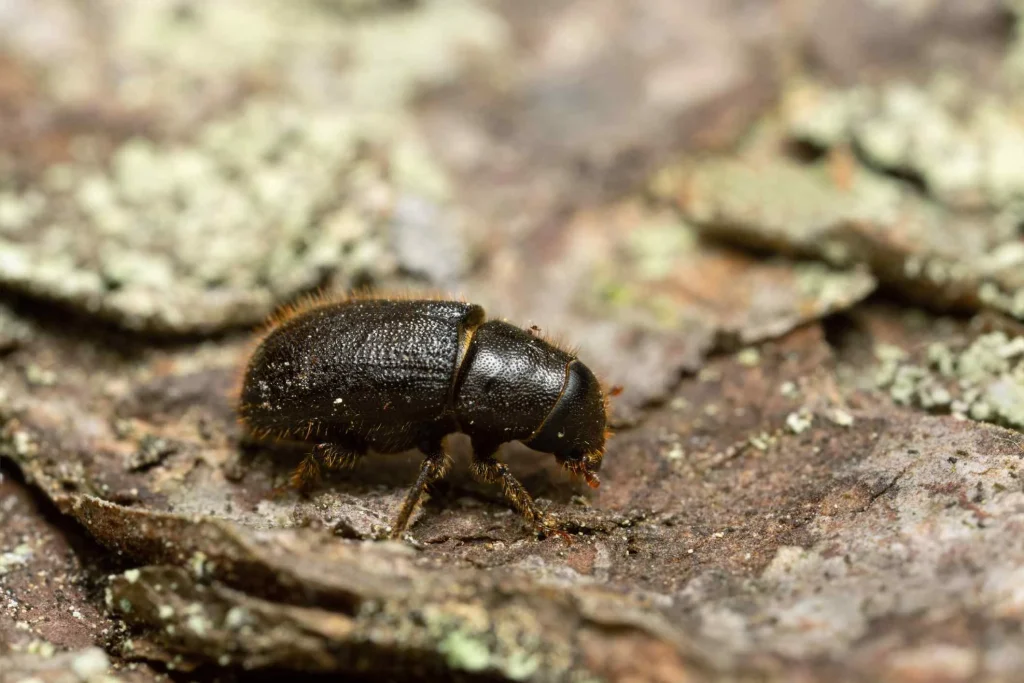
Bark Beetles
Credit: monstertreeservice.com
While they might look harmless, these beetles burrow into the bark, disrupting the tree’s water and nutrient supply.
Each type of pest, from pine tree pests to olive tree pests, requires specific management techniques. The good news is that with proper tree care, you can prevent these pests from causing significant harm.
How to Protect Your Trees Naturally
Now, let’s talk about how to protect your trees the natural way. Here are some proven, safe methods to keep your trees healthy and pest-free:
Encourage Beneficial Insects
Ladybugs, lacewings, and parasitic wasps are natural predators of pests like aphids and caterpillars.
-
Attract these beneficial insects by planting a variety of flowering plants and herbs like dill and fennel.
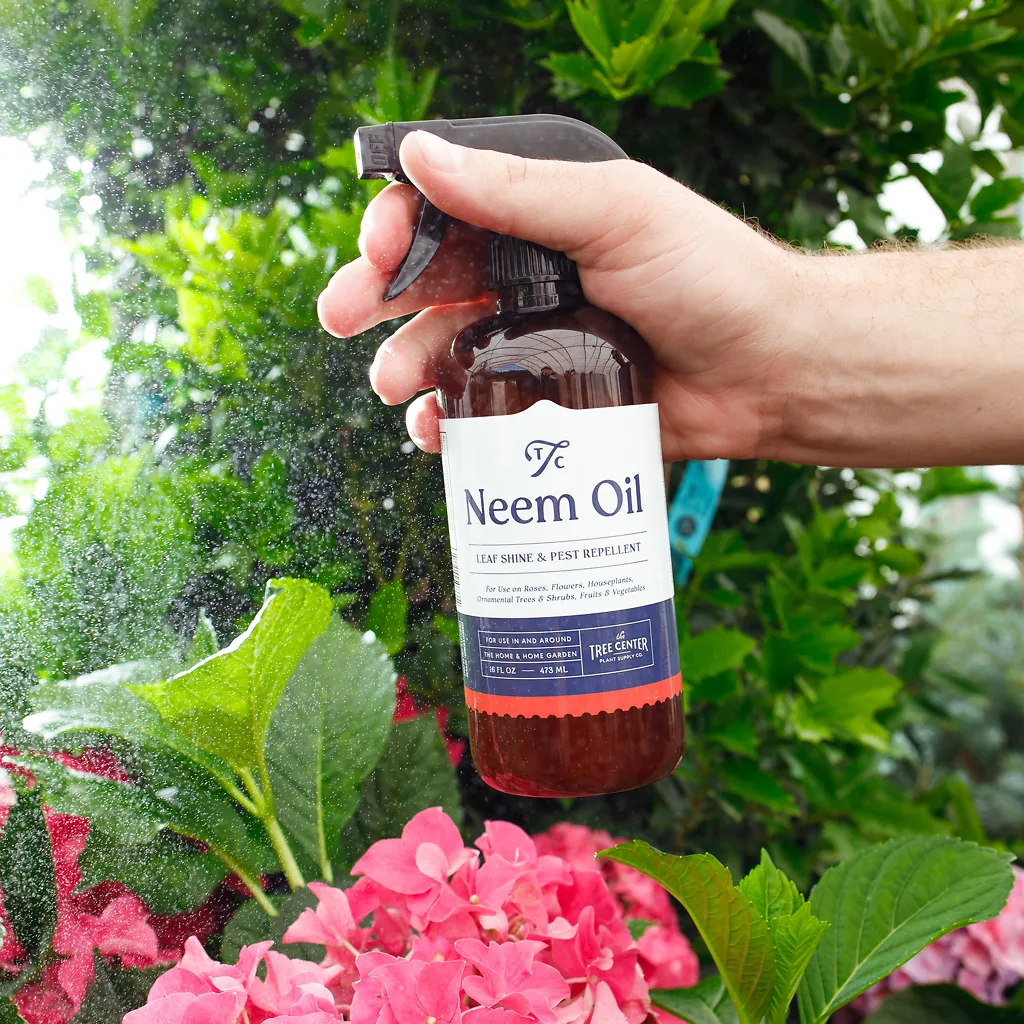
Use Neem Oil
Credit: thetreecenter.com
It is a natural pesticide derived from the neem tree and works by disrupting the pest’s hormonal systems.
-
It’s safe for beneficial insects when applied properly and is effective against a wide range of pests, including olive fruit flies and cherry fruit flies. Simply dilute and spray on the affected parts of the tree.
Apply Diatomaceous Earth (DE)
Well, DE is a fine powder made from fossilized aquatic organisms. It dehydrates pests like ants, aphids, and beetles.
-
Sprinkle it around the base of the tree or directly on the bark to create a barrier that pests won’t want to cross.
Regular Pruning and Removal
Keep your trees healthy by regularly pruning dead or diseased branches. This prevents pests from settling in and spreading.
-
Dispose of any infected branches far away from the tree to avoid reinfestation.
Insecticidal Soaps
These soaps work by breaking down the outer coating of pests like aphids and spider mites, dehydrating them.
-
Apply insecticidal soap directly to the affected areas of the tree. It’s safe for plants and beneficial insects but deadly to soft-bodied pests like spider mites.
Maintain Healthy Tree Practices
A strong tree is less susceptible to pests. Ensure your tree is watered properly and has enough nutrients.
-
Mulching around the base helps retain moisture and keeps soil temperature consistent, while also deterring pests from crawling up the tree trunk.
Natural Tree Pest Prevention for Different Tree Types
Different trees attract different pests. Here’s a quick breakdown of how you can protect specific types of trees:
- Fruit Trees: These are especially susceptible to fruit tree pests like aphids, caterpillars, and fruit flies. Companion planting with herbs like basil and mint can help deter pests, while regular inspections will help catch issues early. Proper air circulation is key to preventing fungal issues.
- Evergreens: Pine trees and other evergreens are prone to infestations from pine tree pests and scale insects. Keep the soil around evergreens healthy and avoid overwatering, which weakens their natural defenses.
- Shade Trees: Large trees like oaks and maples are often targets for pests like Japanese beetles. Regularly remove fallen leaves and debris that can harbor pests, and use natural oils or soaps to treat any issues.
For specific fruit trees like lemon trees, pear trees, and avocado trees, taking early action against insect infestations is vital to ensure they grow healthy.
Ending Remarks
In a nutshell, protecting your trees naturally doesn’t just help the trees; it helps the environment too. By using organic methods to keep pests away, you’re reducing the need for harmful chemicals and creating a healthier ecosystem for all. Take the time to regularly inspect your trees, encourage beneficial insects, and maintain a healthy tree care routine. With a little effort, your trees will thrive, naturally and pest-free.
Need expert pest control for trees? Contact BugLady for natural tree pest control today.
Frequently Asked Questions
And let’s wrap up our discussion on tree pest control.
What are the signs that my tree has a pest problem?
Look for discolored leaves, holes in the bark, or drooping branches. You might also notice an unusual number of insects on the tree.
Is neem oil safe to use around pets?
Yes! Neem oil is non-toxic to humans and animals when used properly. Just be sure to let it dry before pets come into contact with the tree.
How often should I apply natural pest control methods?
It depends on the severity of the infestation, but applying treatments like neem oil or insecticidal soap every two weeks during pest season can help.
Can I use chemical pesticides alongside natural methods?
It’s best to stick with natural methods as much as possible, as chemical pesticides can harm beneficial insects. If you do use chemicals, be mindful of their impact on the environment.
What if my tree is already heavily infested?
If you have a serious infestation, it may be best to call a professional arborist for advice. They can assess the damage and provide targeted treatments that won’t harm the tree.